
A welder’s hands are on the front line every day—dodging sparks, gripping hot metal, and handling sharp edges. Small mistakes leave big scars. So what injuries happen most often, and how exactly do welding gloves stop them? Let’s be practical: this isn’t a lecture; it’s a survival guide.
The Most Common Hand Injuries
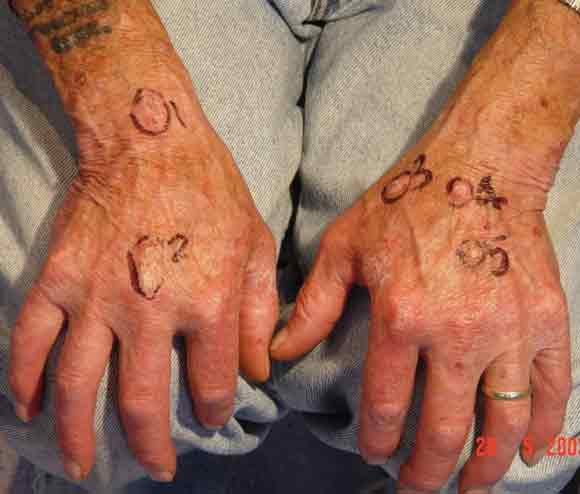
Burns and Spark Injuries
Hot spatter, molten metal, and freshly welded parts can cause first- to third-degree burns in an instant.
Cuts and Lacerations
Metal burrs, sharp sheet edges, and moving tools can slice skin quickly—usually when eyes are on the task and hands aren’t.
Electric Shock
Sweaty hands or damp environments increase conductivity—a dangerous mix around welding machines.
Crushing and Impact Injuries
Dropped parts, slipping clamps, and heavy loads cause bruises or worse.
Chemical Irritation & Long-Term Exposure
Cleaning solvents, flux residues, and metal dust lead to dermatitis or chronic issues if not managed.
How Welding Gloves Protect You—The Mechanics
Heat Resistance & Flame Protection
Good welding gloves use thick outer leather (often cowhide) and layered insulation to add seconds of protection—and sometimes, those seconds save fingers.
Cut Resistance & Puncture Protection
Palm reinforcements and tougher seam construction help avoid lacerations from rough metal edges.
Electrical Insulation (To a Degree)
Some gloves reduce conduction risk, but they’re not a substitute for certified electrical insulation gloves. Keep gloves dry for best results.
Impact Damping
Inner liners or padding reduce force from dropped objects, cushioning the blow to hands.
Chemical & Oil Resistance
Certain treatments or coatings repel light oils and cleaning agents, extending the glove’s useful life.
Match the welder gloves to the job.
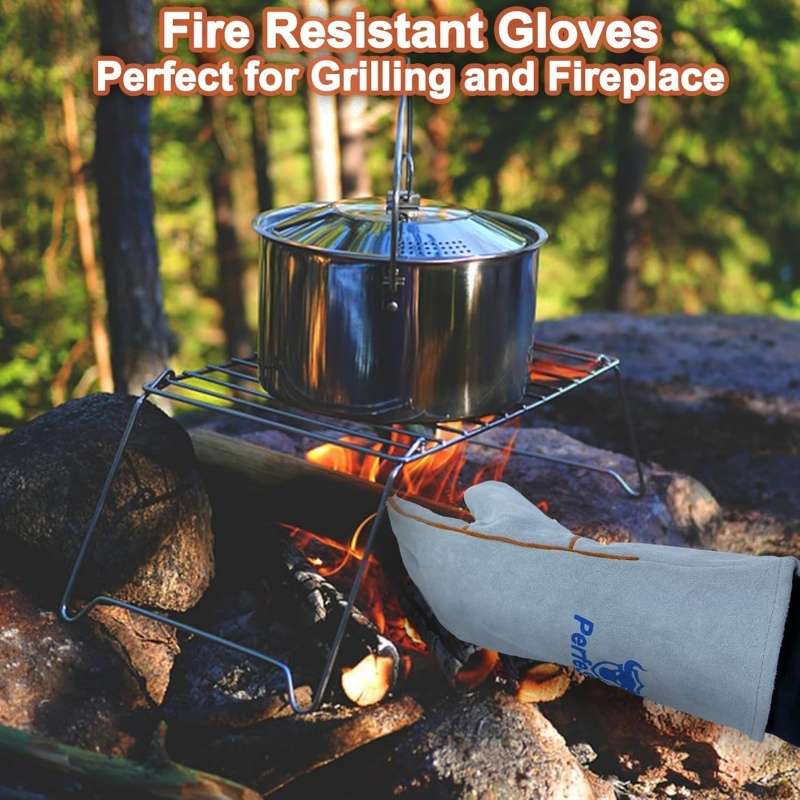
- MIG / Stick Welding: lots of spatter → choose thick, long welding gloves with extended cuffs. For everyday welding tasks, grab the Full Cowhide Reinforced Gloves—tough, heat resistant, and comfortable.
- TIG Welding: requires dexterity → thinner, more flexible welder gloves (e.g., goat or deerskin) work best.
- Grilling / BBQ / Home Furnace: prefer double-layer cowhide or heat-proof gloves for multi-purpose use. Facing extreme heat jobs? Trust the Double-Layer Cowhide High-Temperature Gloves—they’re your shield against 932°F firepower.
- Grinding & Cutting: prioritize cut resistance and palm reinforcement.
How to Maintain Your Welding Gloves and Know When to Replace Them
- Replace if the palm is worn through, seams split, or cuff is damaged.
- Don’t water-soak leather; brush off debris and use leather conditioners sparingly.
- If gloves become saturated with oil or chemical residues, they’ve lost protection—get a new pair.
- Keep a dry spare pair; wet gloves increase shock and heat transfer risk.
I’ve seen welders stubbornly wear a patched glove “one more day”—don’t be that person. Replace it.
Choosing the Best Welding Gloves: Final Thoughts and Buying Guide
Protect your hands before the sparks fly. Hands are too valuable to gamble with. The right welding gloves reduce burn, cut, impact, and chemical risk. Looking for ultimate heat resistance and comfort? No need to worry; just choose our good Cowhide Welding Gloves. Need a budget-friendly, flexible option? The Yellow Leather Welding Gloves keep you safe without burning your wallet.
Don’t wait until the next burn. Click below, pick your pair, and weld with confidence.