

Working in a shipyard is a little like juggling a forge and the ocean at the same time—hot metal on one hand, salt-laden air on the other. If you care about comfort, longevity, and not losing fingers to a careless spark, you need the right welding glove. This guide is written for shipyard welders and procurement people who want practical, no-nonsense advice.
Why Shipyard Work Is a Special Beast
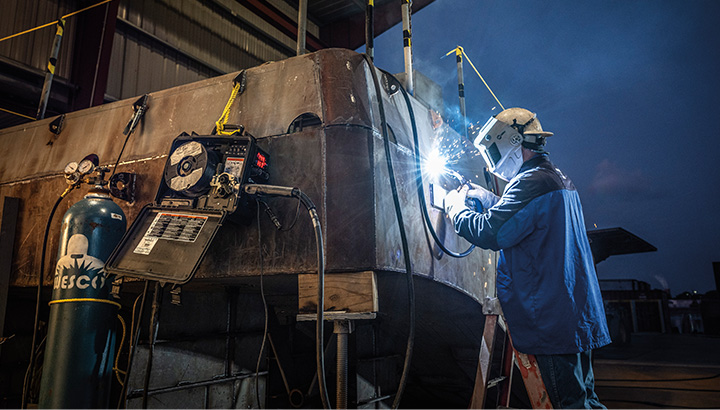
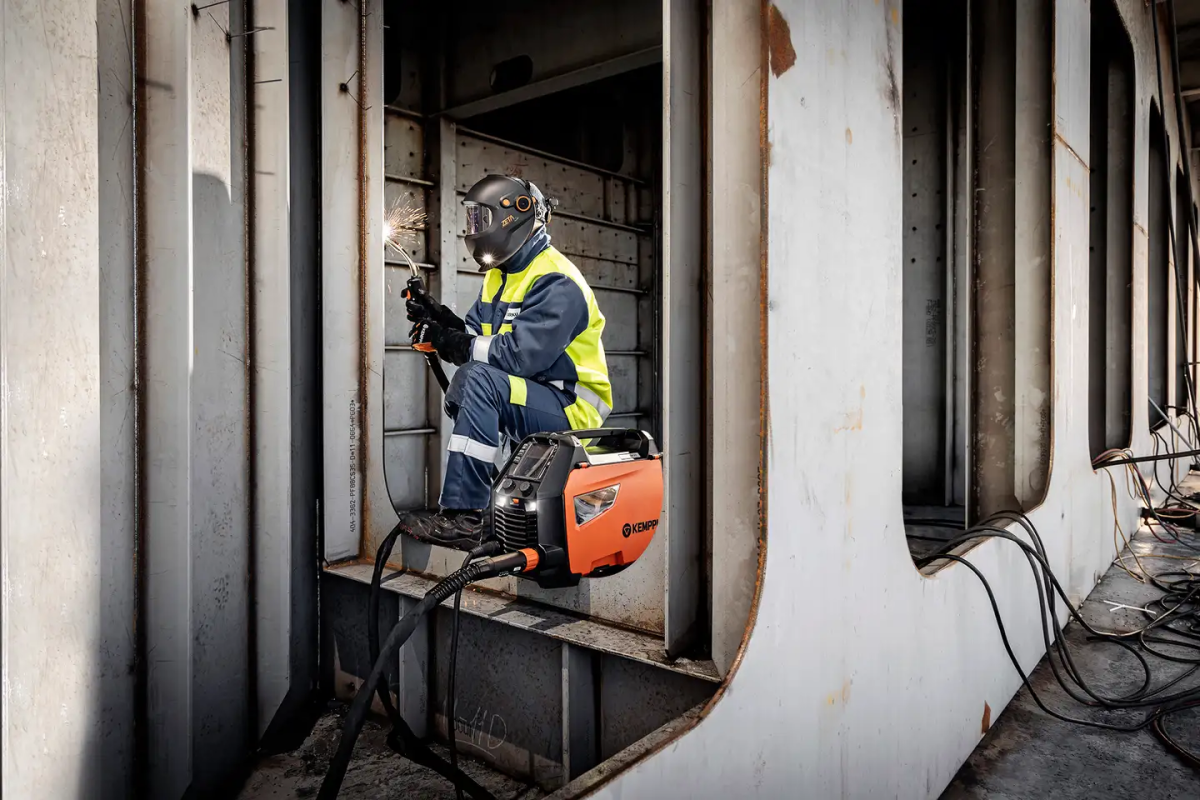
Shipbuilding isn’t just welding. It’s long shifts, repeated cycles of MIG, TIG, and stick welding, and a relentless salt/marine environment that eats at gear. So your gloves need to do three things well: resist heat, resist moisture/corrosion, and stay comfortable for hours.
- Long shifts mean heat fatigue and dexterity loss if the glove is bulky.
- Salt spray accelerates leather breakdown and corrodes metal threads.
- Multi-process work demands both insulation and fine control.
Don’t confuse short-term heat proofing with continuous protection. One is a sprint; the other is an endurance race.
Key Specs to Look for in Shipyard Gloves
1) Heat Performance—Not Just Top Temperature, but Time
Many gloves advertise they survive 500°C. But ask: how long? A conversion panel or tack weld is different from an hour-long seam. Seek heat-resistant, layered designs where the outer cowhide absorbs initial scorch and the inner insulated lining delays heat transfer.
2) Salt and Moisture Resistance
Salt + sweat = fast leather failure. Treated cowhide or a water-repellent finish helps—think waterproof treatments that don’t kill breathability. Also: reinforced seams—Kevlar stitching resists both heat and corrosive wear better than cotton thread.
3) Durability vs Dexterity Trade-Off
Thicker leather = better abrasion resistance, but worse grip. A smart middle ground is double-layer cowhide at the palm with softer top-layer leather at the fingers. That keeps you safe while still letting you pull a TIG torch trigger without fumbling.
4) Sleeve Length and Forearm Protection
Shipyard sparks land everywhere. It prevents sparks and slag from sliding down into your wrist and inside sleeves—tiny oversight, painful consequence.
What Experienced Shipyard Welders Actually Care About
From conversations on the shop floor and real service reports, here’s what matters in practice:
- Rotating two pairs: one for work, one drying. A simple trick doubles glove life.
- Inner lining: Cotton absorbs sweat but can hold salt. A removable or quick-dry liner is a nice plus.
- Color & visibility: Bright yellow gloves get found. Also useful for shared equipment lockers.
- Grip pattern: Smooth cowhide is great for heat, but a textured palm helps during heavy lifting and handling slats.
I’ll be blunt: you can buy the cheapest leather pair and cry when the salt hardens it into a brick after a week. Or buy a slightly more expensive leather pair treated for marine use and be done with the drama.
Common Mistakes to Avoid
- Buying purely for price—you’ll replace sooner than you think.
- Ignoring seam material—cotton thread is a false economy.
- Using a single pair non-stop—sweat and salt degrade leather fast. Rotate and hang to dry.
Conclusion
For shipyard work, a welding glove is not a commodity: it’s part of your safety system. Prioritize heat-resistant, waterproof-treated cowhide, Kevlar seams, and a long cuff. Keep two pairs in rotation and consider one heavier set for MIG/stick welding and one lighter set for detailed TIG tasks.
Every great weld starts with steady hands—and the right pair of welding gloves makes all the difference. Whether you’re a weekend DIYer, a shipyard pro, or just tired of cheap gloves that burn out fast, we’ve got your back. Discover our cowhide, insulated, and waterproof welder gloves—built for heat, sparks, and everything in between. Your next pair of gloves is waiting. Grab them before your next project sparks off.