
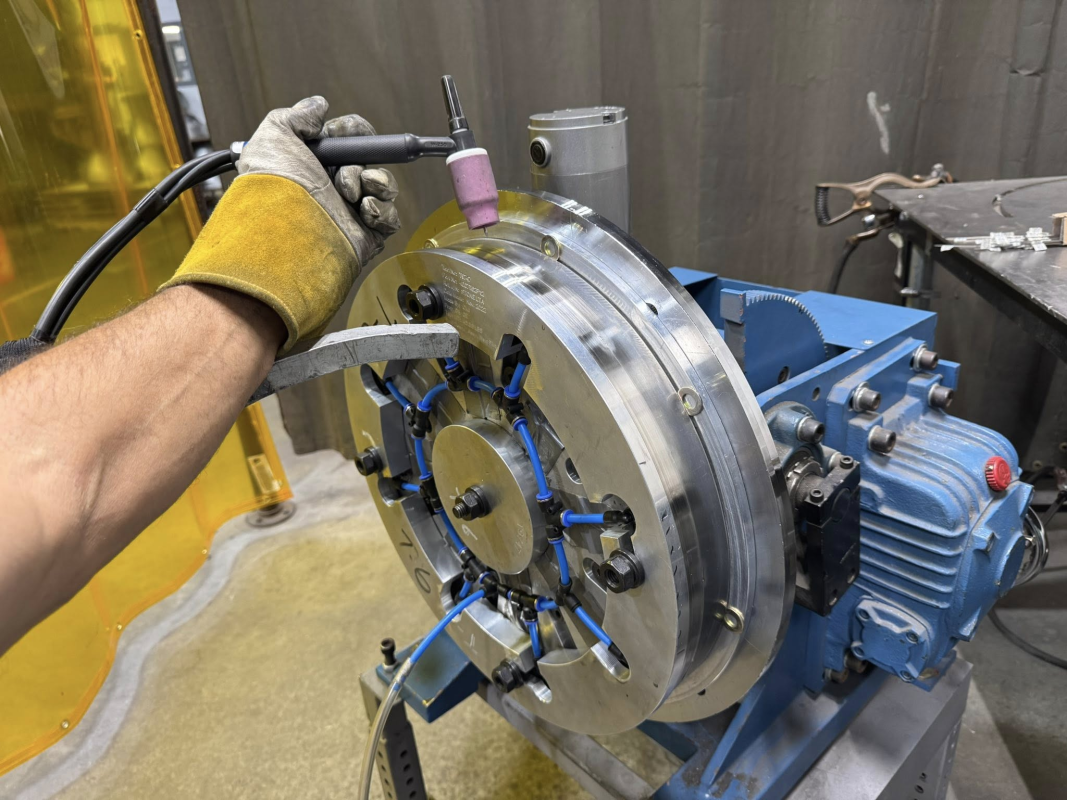
Left-handers at the welding bench often face a tiny but real frustration: tools and gloves favor the right hand. Pick the right welding gloves and you’ll be safer, comfier, and—surprise—faster. This guide walks you through durability and symmetry that actually helps your left hand work the way it should. We’ll talk about MIG, TIG, and stick welding, plus home tasks like BBQ and fireplace work.
Common Issues: Durability & Symmetry
Why symmetry matters
Many off-the-shelf welding gloves are “mirror designed” in a loose sense. That means left vs. right aren’t precisely matched. For left-handers this shows up as odd tight spots or unpredictable wear patterns—especially on the thumb and palm—leading to early failure.
How to judge durability
- Material: Cowhide leather usually wins for heat and abrasion resistance, but thickness trades off with dexterity.
- Reinforcement: reinforced thumbs and palms extend life.
- Stitching: Kevlar or high-strength thread is preferable when doing MIG, TIG, or stick welding.
Simply put: symmetric cut + targeted reinforcement = longer life for left-handed use.
How to Choose a More Flexible Style
Flexibility is a bit of a puzzle—you need protection and finger control. Here’s how to judge:
1) Balance material and thickness
- Soft cowhide gives good heat resistance while staying flexible—great for precise TIG work.
- Double-layer or thick gloves are better for hefty stick welding but less nimble.
2) Design details you shouldn’t ignore
- Reinforced, pre-curved thumb improves grip on pliers and torches.
- Stitching patterns matter: too many seams reduce feel; too few mean weak spots.
- Cuff length: long cuffs protect forearms but can limit movement—pick what fits how you work.
3) Liner choices: support without bulk
- Thin, insulated liners balance sweat control and dexterity.
- For BBQ or stove work at home, get a glove that’s both heat resistant and flexible.
Size and Fit: Custom vs Off-the-Shelf
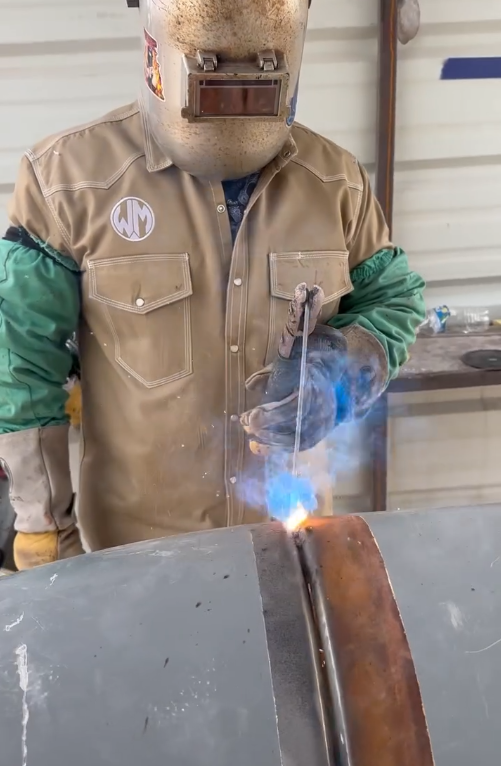
How to measure
- Measure palm circumference at the base of fingers.
- Measure from middle fingertip to wrist.
- Choose a size slightly roomy—don’t compress your hand.
Lefties: the left welding glove will wear out first. Consider symmetric cuts or rotating two pairs. Adjustable cuffs reduce slippage.
Use-Case Notes
- For tig (precision), choose soft, thinner welding glove styles.
- For stick welding or grinding, prioritize thicker, reinforced gloves.
- For home BBQ or fireplace work, a heat proof, insulated glove (double layer) is useful.
Care, Inspection, and Replacement
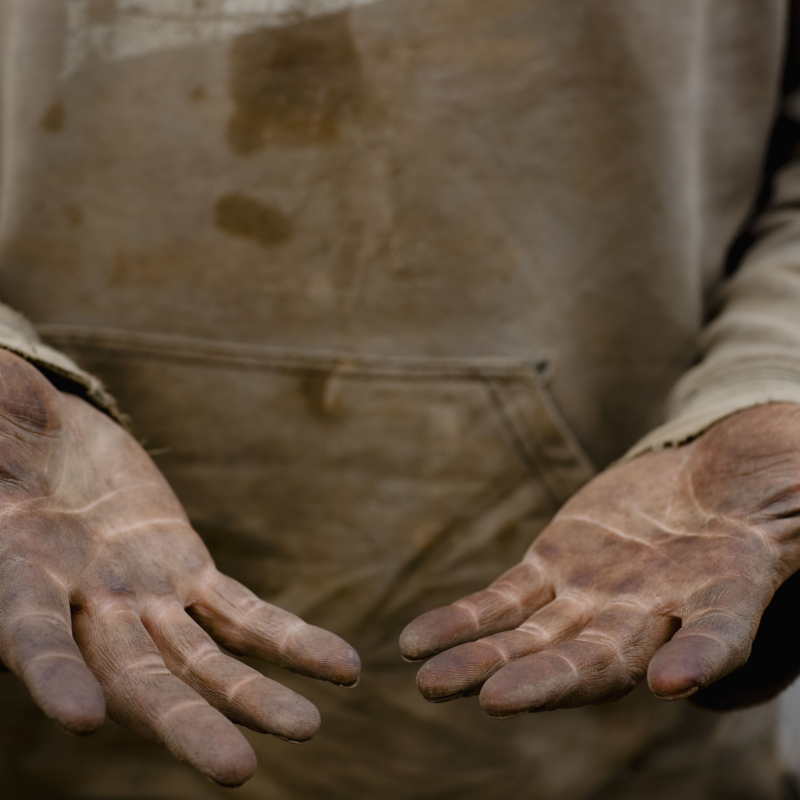
- Inspect seams and palm wear regularly.
- Clean per manufacturer instructions; don’t use harsh chemicals or high heat to dry.
- Replace at first sign of penetration or serious burn. Don’t “make do.”
- Rotate pairs—this extends life and avoids surprising failures.
👉 [Check out our complete guide to welding glove care]
Conclusion and Quick Recommendations
For left-handed welders, the three priorities are: symmetric cut, appropriate durability, and the right level of flexibility for your work. If you do fine tig work, pick soft cowhide with thin liners. If you do heavy stick welding, choose double-layer, reinforced gloves. For home BBQ and stove use, look for heat-resistant, insulated options.
Go to the purchase page to view the detailed sizing guide and place your order now!