
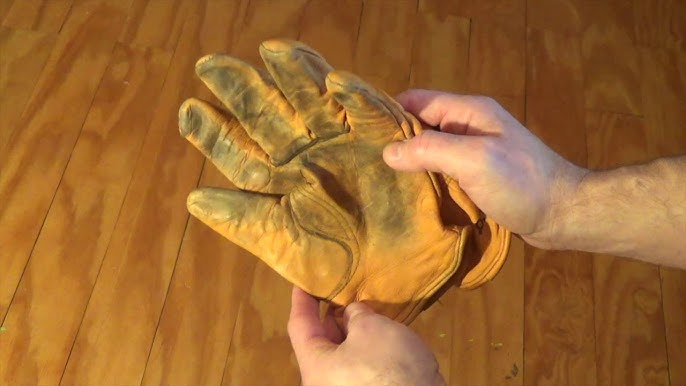
If you treat a good pair of welding gloves like disposable napkins, you’ll be buying replacements more often than you should. These tools are not just accessories—they’re safety gear and heat shields, and if you buy well, they’re surprisingly pleasant to wear. This guide shows realistic, low-effort ways to clean, store, and extend the life of your welder gloves without turning the garage into a leather spa. Expect a few quick wins, some “don’t do this” warnings, and practical tips you’ll actually use.
Know Your Materials: Why Care Methods Matter
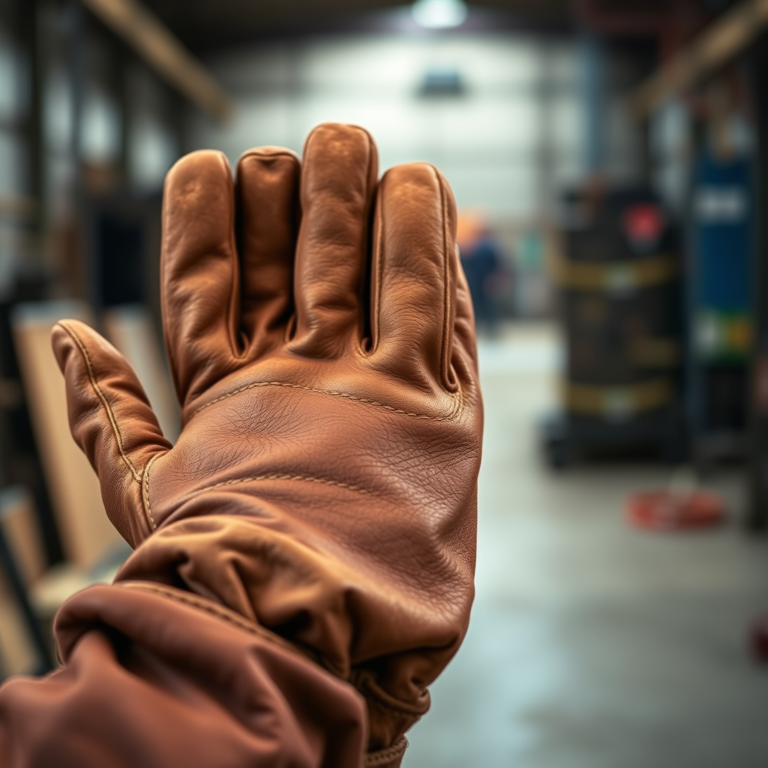
Different gloves need different care. The most common material is leather (cowhide, goatskin, pigskin), and most quality welding gloves combine an outer leather shell with a cotton or Kevlar lining. Quick primer:
- Cowhide: bulky, durable, and great for high heat.
- Goatskin: softer, better dexterity, slightly less abrasion resistance.
- Pigskin: breathable and oil-resistant, often used for general tasks.
If your welder gloves have an inner lining (cotton or insulating fabric), that lining changes how you clean them—more on that shortly.
Daily, Five-Minute Care Routine (Do This Every Time)
Small habits prevent big problems.
- Brush off loose debris. A soft brush or cloth removes metal dust, slag, and loose soot.
- Wipe oil spots quickly. Use a damp cloth with mild soap for fresh oil stains; don’t soak the glove.
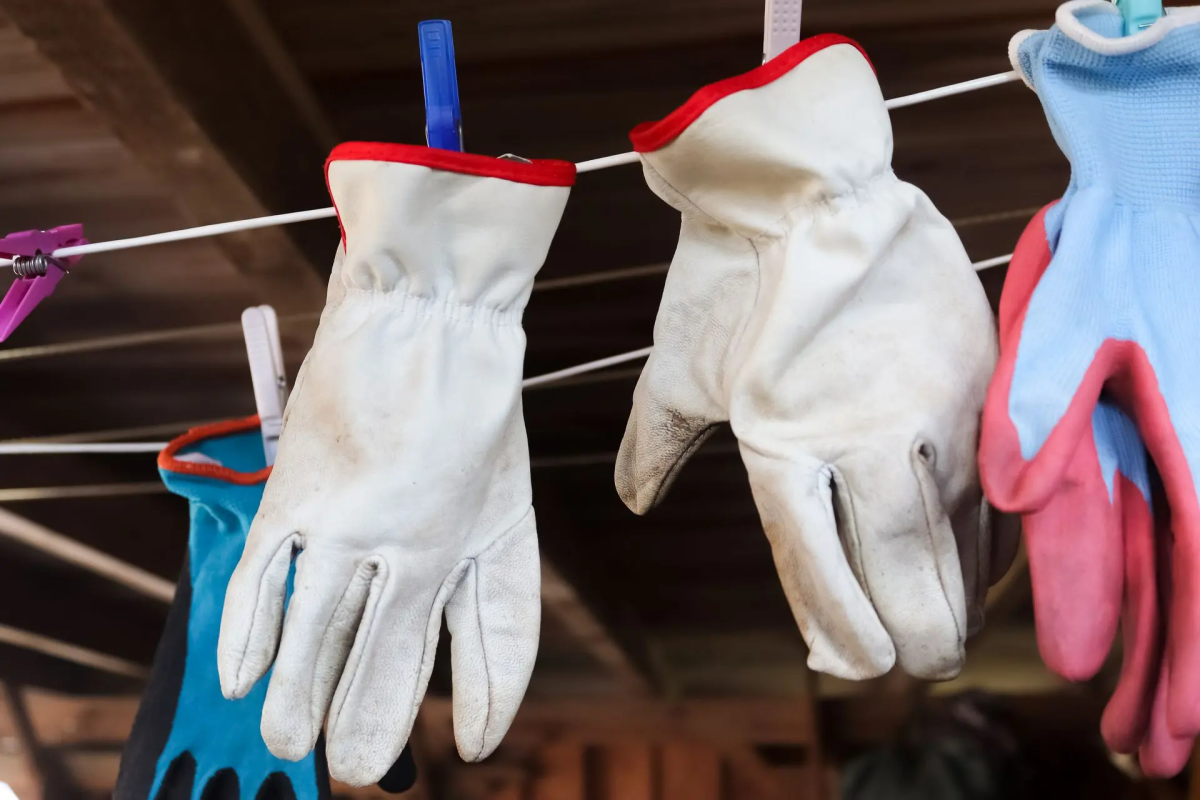
- Air them out. Slip them on a hanger or lay them open on a dry surface to dry sweat and humidity. (Yes, humidity matters.)
- Rotate pairs. If you weld often, own at least two pairs of welding gloves and rotate them. Rested gloves last longer.
These small moves prevent grime from embedding in the leather and stop smells in their tracks.
Deep Cleaning: Safe Methods That Actually Work
When a glove needs more than a wipe, follow these targeted approaches.
For Surface Dirt and Light Stains
- Mix lukewarm water with a tiny amount of mild soap.
- Dip a soft cloth or sponge, wring it well, and gently wipe the outer leather.
- Pat dry with a towel—avoid wringing or twisting.
For Oil, Grease, or Heavy Grime
- Use a dedicated leather cleaner (follow label). Apply sparingly, and always test a hidden spot first.
- Never submerge welder gloves in a bucket or run them through the washing machine—the structure, seams, and lining can fail.
For Lined Gloves (Cotton or Kevlar Inside)
- Clean the exterior leather as above.
- For the lining, turn the glove inside out carefully (if the design allows) and brush out debris. If the lining is removable, hand-wash gently and air-dry completely before reinserting.
Little note: if your gloves smell stubbornly awful, sprinkling baking soda inside overnight can help—then shake out the powder the next day.
Drying & Storage: Avoid These Common Mistakes
Heat and moisture are the enemies.
- Never dry leather gloves on a radiator or in direct sun. High heat makes leather stiff and brittle.
- Use gentle airflow — a fan in a cool room or shaded ventilation does wonders.
- Stuff gloves with newspaper to absorb moisture and help keep shape. Replace the paper if it gets damp.
- Store them flat or hung (don’t fold) in a cool, dry place away from solvents and oils.
Pro tip: a small set of ventilated hooks in your workshop makes drying effortless and keeps pairs together.
Conditioning & Restoring Leather
To keep leather flexible and resistant to cracking:
- Apply a dedicated leather conditioner every few months (or after deep cleaning). Use sparingly—too much makes the surface slick.
- For minor stiffness, rub in a small amount of conditioner and work the glove gently by hand until supple.
- Avoid petroleum-based products (they can degrade some leather finishes).
Conditioning keeps the glove comfortable and extends heat performance—yes, a well-maintained glove performs better.
Practical Life-Extenders
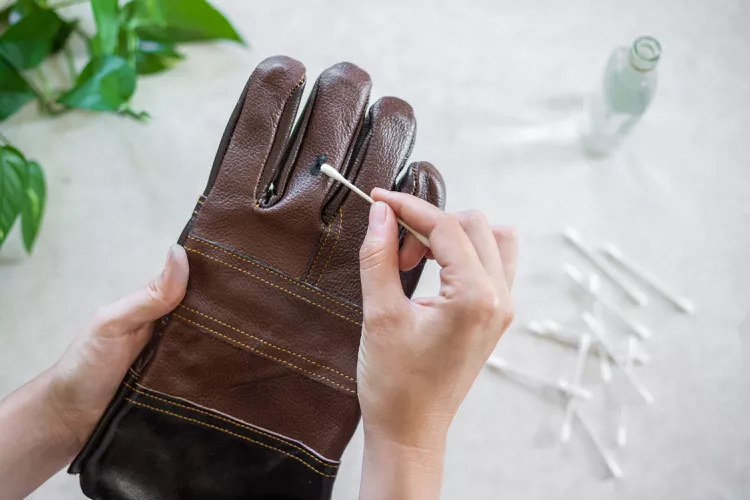
- Patch small holes early. A stitched leather patch can buy months of life—but larger holes mean replacement.
- Sew loose seams quickly. A needle and heat-resistant thread (Kevlar) beat letting the problem grow.
- Label your pairs. Mark which gloves are for high-heat jobs vs. light tasks so you don’t burn out your best set on a quick weld.
These feel like small chores, but they save real money—and time. If you need gloves that handle both BBQ and stick welding, check out our insulated cowhide series.
When to Stop Repairing and Replace
Fixes are great—until they’re not. Replace your welder gloves if you notice:
- Burn-through or holes that expose skin.
- Rigid, cracked leather that won’t soften after conditioning.
- Broken or severely frayed stitching near the fingers or cuff.
- Insulation compressed or missing, reducing heat protection.
Safety first: if in doubt, replace. A cheaper glove is no bargain if it fails at the wrong moment.
Quick Checklist (Copy-Paste for Your Phone)
- Brush off debris after use. 🧹
- Wipe oil spots immediately. 🧽
- Air-dry on a hanger, not in the sun. 🌬️👕
- Condition leather every 2–3 months. 🧴
- Rotate pairs and label them 🔄🏷️
- Replace if there are holes or major seam failure. ✂️🧤
Stick this checklist above your workbench, and you’ll be surprised how often you reach for it.
Conclusion—Small Care, Big Payoff
Caring for welding gloves isn’t glamorous, but it’s effective. A little time cleaning, sensible drying, and occasional conditioning will keep your welder gloves safer, more comfortable, and longer-lasting — and that saves money and headaches. If you want a practical next step: pick one pair you use most and give it a proper clean and conditioner tonight (seriously — do it).
Want a reliable pair to start with? Look for cowhide or double-layer options with reinforced thumbs and a soft lining. They’re worth the few extra dollars and reward you with years of solid service.
Ready to upgrade your gear? Shop our collection of heat-resistant cowhide welding gloves—from MIG/TIG to BBQ—and find the pair that keeps you safe and cool. Check out our full collection of welding gloves in the shop and find the pair that fits your work style best. We offer a 30-day return for unused items (no returns on used gloves); for defective products, email [email protected] with your order number and photos, and we’ll quickly replace or refund.