Half Leather vs. Leather Palm Welding Gloves: Which Offers Better Protection?

Choosing the right pair of welding gloves can be surprisingly personal. For some it’s about grip; others swear by whatever keeps sparks off their skin. If you’re deciding between leather palm gloves and half leather gloves, this guide cuts through the noise—practical advice, trade-offs you’ll actually feel on the job, and a recommendation so you don’t shave time (or fingers) off your day. Good welding gloves make a measurable difference.
What are Leather Palm Gloves?
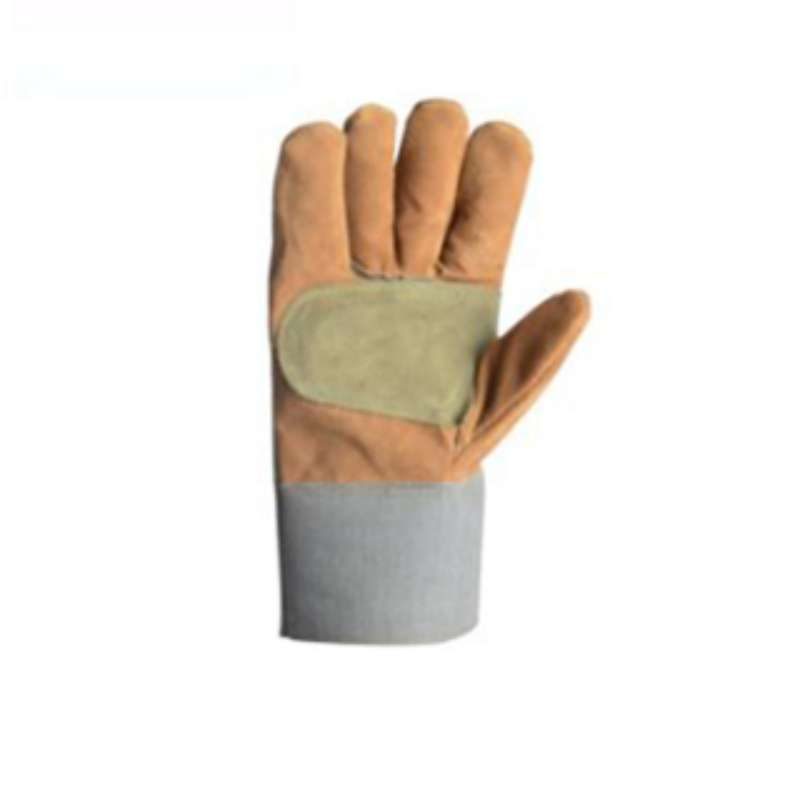
Welding gloves labeled as leather-palm combine a reinforced leather palm with a fabric or canvas back. That design gives you wear resistance where you need it most—on the gripping surface—while keeping the back of your hand breathable and nimble. Folks who do a lot of loading, carrying, or general construction work often prefer them because the dexterity is noticeably better. When in doubt, check the glove’s heat rating and padding—true welding gloves list that clearly.
What are Half Leather Gloves?
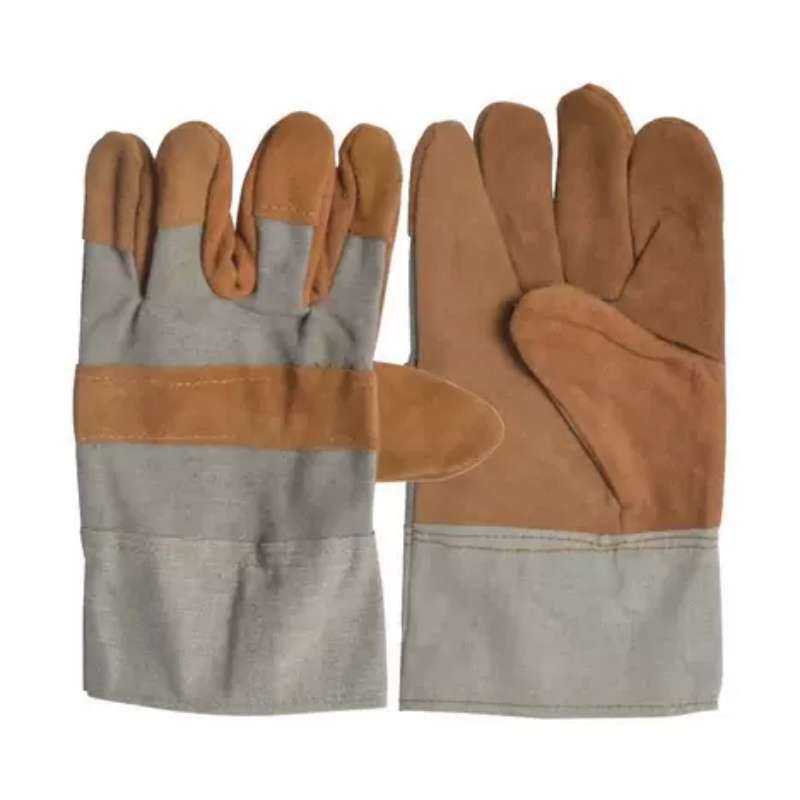
Half leather gloves shave down the leather coverage even more: think minimal leather patches focused on key contact areas, with lighter fabric elsewhere. The point is simple—maximize dexterity and airflow while offering basic abrasion protection where your hand meets tools. They’re popular for light shop work, quick handling tasks, and any job where fiddly finger movement matters more than full coverage. Don’t expect them to stand up to heavy sparks or prolonged heat, though—they’re not made for continuous arc exposure.
Durability & Protection
In the tug-of-war between abrasion and thermal protection, each style wins different rounds. Half leather gloves focus on breathability and finger control; they protect the immediate contact zones but sacrifice broader spark and heat resistance. Leather palm gloves concentrate durability on the palm and thumb—high-wear zones—and provide a sturdier barrier for tougher handling. If your day includes occasional handling and light grinding, leather palm likely lasts longer. Put bluntly: if sparks are routine, half leather is not your best friend.
Flexibility & Comfort
If you value tool control, half leather and leather palm options both feel cooler and more comfortable than bulkier alternatives. But half leather pulls ahead on pure nimbleness—the lighter fabric and minimal leather let you manipulate small parts without fumbling. Leather palm gloves add a bit more structure and abrasion resistance, which can feel reassuring when you’re hauling heavier stuff. Pro tip: test a pair of welding gloves with the exact motions you do daily—if it feels awkward, try another.
Heat Resistance & Safety

When heat is in play, pick protection over convenience. Leather palm gloves generally offer better protection than half leather: the thicker leather on the palm and reinforced areas block sparks and handle short bursts of heat more reliably. That said, many half leather gloves are heat resistant enough for light welding or BBQ sessions—handy for home grillers who also tinker in the garage. Just don’t expect a half-leather design to manage consistent arc welding or heavy fabrication. If you do a mix of tasks, owning two types of welding gloves isn’t overkill—it’s smart.
Price & Value
Budget matters. Half leather gloves are often the cheaper option because they use less leather and more fabric—great for quick replacements or when you need lots of pairs for a crew. Leather palm gloves cost a touch more but often outperform in durability and protection for moderately heavy tasks. Think: buy cheap, buy twice—if your workflow chews through gloves, a slightly pricier leather-reinforced pair can save money (and fingers) in the long run.
Use Cases — Quick Reference
- Half leather gloves: fine assembly, light shop work, quick material handling, gardening, and delicate tasks where finger dexterity matters.
- Leather palm gloves: general construction, carpentry, warehouse work, light-to-moderate grinding, and BBQ prep when you want more abrasion resistance.
- Tip: keep a spare pair of welding gloves in your vehicle—you’ll thank me later.
Care & Maintenance
Keep leather areas clean with a damp cloth. Condition occasionally with leather oil to prevent cracking. Don’t toss them in a washer; they’ll stiffen and lose protective properties. Dry naturally, away from direct heat. Treat your welding gloves like tools, not clothes—regular care extends useful life. Want to make your gloves more durable and comfortable? 👉 [Check Out Our Complete Guide to Welding Glove Care]
Personal Story
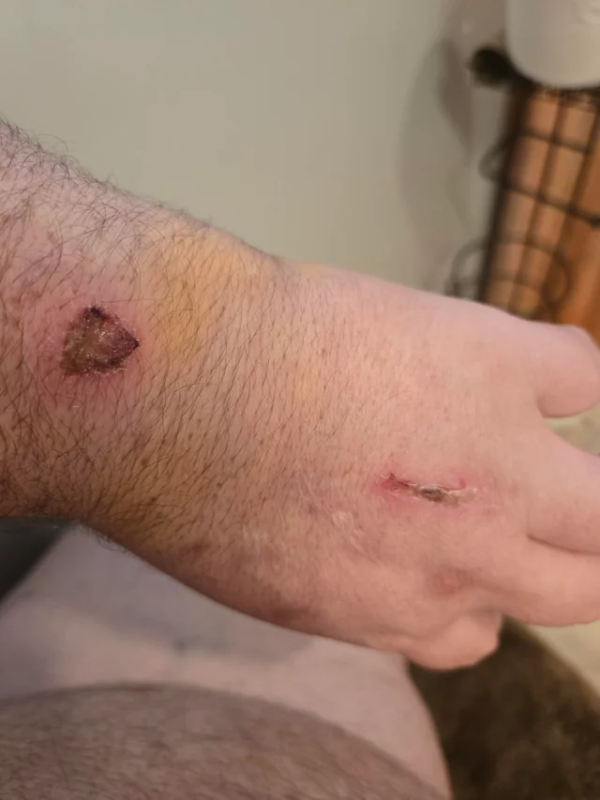
I used to think one pair of welding gloves was enough. Then one night, mid-project, a hot spark bounced off the grinder and slid right across my wrist. I was wearing a half-leather pair that evening—great for quick jobs and handling small parts, but not built for that kind of splash. I still have the tiny scar to prove it.
Since then, I keep two pairs in rotation: a breathable half-leather pair for quick jobs and a beefier leather palm set for anything that might throw sparks. Yes, it takes up extra room in the toolbox, but every time I reach for the thicker gloves, I remember how close I came to learning the hard way. Safety gear isn’t glamorous, but neither is a trip to urgent care.
Product Pick: 27cm Leather Cloth Welding Gloves
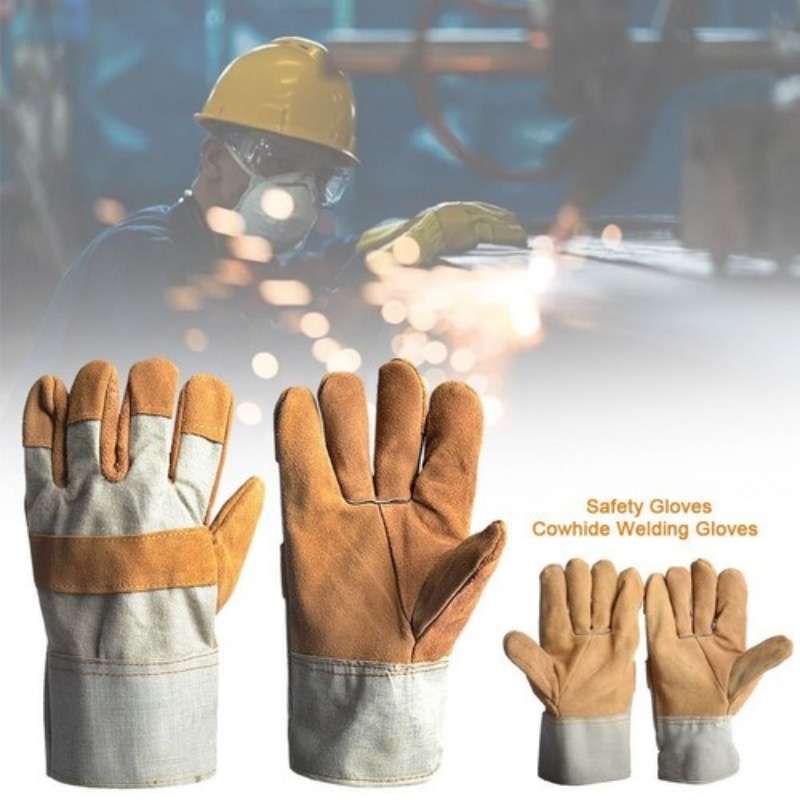
Looking for a solid pair of welding gloves that won’t let you down? The 27cm Leather Cloth Welding Gloves are built for both men and women, and come in two styles—Half Leather Gloves if you want something lighter, or Leather Palm Gloves if you need extra grip and durability.
- Tough leather construction in key areas that stands up to sparks and scrapes.
- Heat-resistant and fireproof—because surprise burns are nobody’s favorite.
- Fully lined inside for extra comfort and insulation.
- Great for welding, carrying gear, or just keeping your hands safe on the job.
Price is pretty fair: $25.77 for the half-leather option and $28.59 for the leather-palm. For a couple bucks difference, it really comes down to whether you value lightness or extra coverage. Either way, they’ll save your hands a lot of trouble.
Ready to gear up? Grab a pair now and make “burnt fingers” one less thing on your worry list.
Conclusion
There’s no one-size-fits-all answer. If your priority is ultimate dexterity and breathability, choose half-leather gloves. If you want better abrasion resistance and a bit more heat protection while keeping good control, go leather palm. Either way, focus on proper fit, reinforced stitching (Kevlar is a plus), and reasonable care. Good welding gloves reduce mistakes—and that’s worth paying attention to. Now go pick a pair—preferably not the ones with holes in the fingertips. For general inquiries, you can also contact us at +1 510-751-3469 during business hours (9:00-17:00 PST, Monday-Friday) or by email at [email protected]. We strive to respond to all emails within 24 hours.