
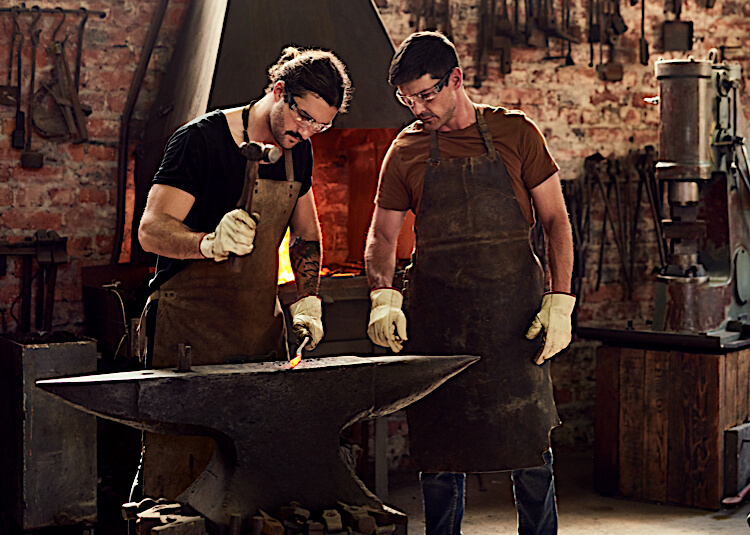
Hot coals. The clang of hammer on anvil. Sparks that want to decorate your sleeves. Blacksmithing is loud, a little messy, and deeply satisfying—but it’s also unforgiving to bare skin. That’s where the modern welding gloves step in: not glamorous, but absolutely essential. This piece breaks down why a good pair of leather welding gloves belongs in every forge—hobby shop or pro shop alike.
Blacksmithing Safety Challenges
Working at the forge brings a specific mix of hazards:
- Extreme radiant heat.
- Hot scale and slag that shoot off during hammering.
- Sharp edges on freshly forged pieces.
- The constant risk of tool slips.
You don’t get to be casual here. A simple mistake can burn or cut. Traditional mitts or rag layers won’t cut it. Blacksmiths need gear that handles both the heat and the hands-on precision of shaping metal.
High-Heat Resistance During Forging
Forging temperatures? They’re not polite. Iron and steel can be red-hot—well above what ordinary gloves can manage. That’s why heat-resistant construction matters. Modern welding gloves are often built with multiple layers: an outer hide that resists sparks, an inner lining that slows heat transfer, and reinforced stitching where durability counts.
Quick real-talk: not every glove claiming “heat-proof” is created equal. Some protect against short, incidental contact; some allow sustained handling near hot metal. If you’re pulling tongs tight around a glowing billet, you want gloves rated for more than a passing touch. Look for thicker cowhide or double layers for repeated exposure, and an insulated lining if you plan long sessions at the anvil.
Grip and Dexterity for Hammer and Tools
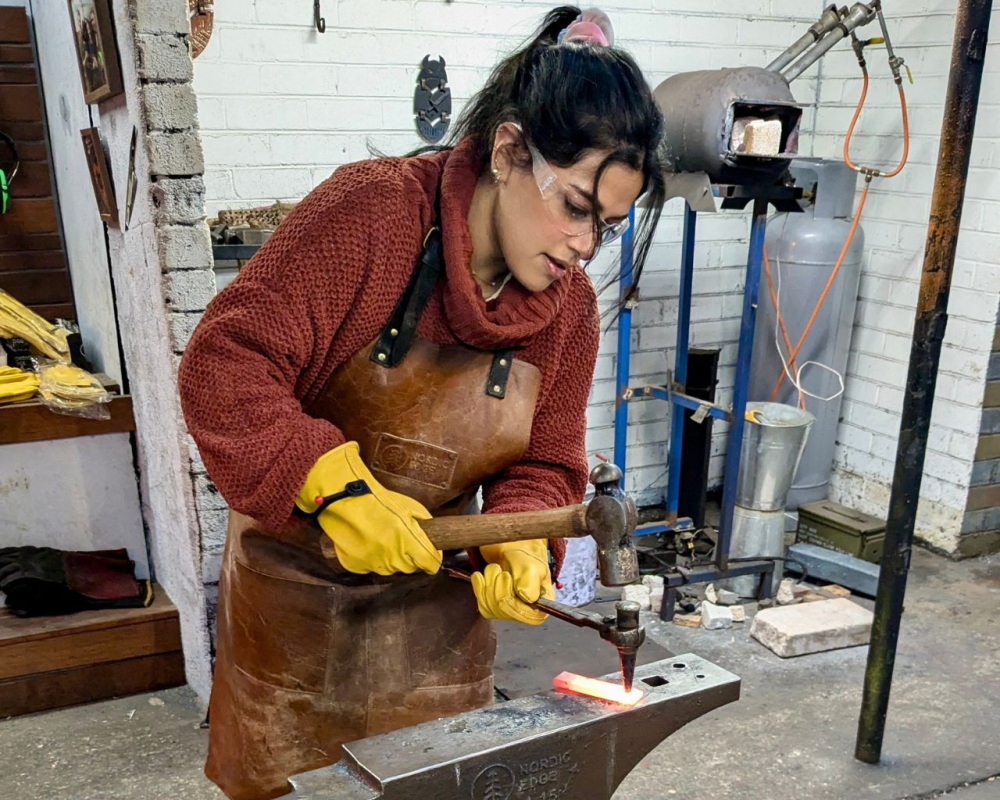
Here’s the trade-off: thicker gloves usually mean less finger control. But well-designed leather gloves can be surprisingly nimble. The right pair finds the sweet spot—enough bulk to protect from heat and sparks, yet enough flexibility to let you handle tongs, hold a hardy, and feel the metal under the hammer.
Practical note: shorter, thin gloves might feel more precise, but they leave your forearms vulnerable. Longer, cuffed gloves protect wrists and lower arms from sparks and flying scale. For many smiths, a midweight welding glove with targeted reinforcements (thumb, palm) ends up being the best compromise.
Gloves That Can Handle the Sparks
Sparks are the everyday confetti of forging. They’re harmless if they stay on your apron—dangerous if they land between the glove seam and sleeve. That’s why you want a welding glove with:
- Extended cuffs (14″ cuffs are common).
- Reinforced thumbs and palms.
- Strong stitching (look for Kevlar or similar).
Those features stop sparks from sneaking in and protect forearms when you’re leaning into the work. Also: a bright color or textured palm helps if you’re wrestling with a slippery tool or working near oil residues (yes, that happens).
Materials Matter: Why Leather and Cowhide Shine
Leather—especially cowhide—is the workhorse material for smithing gloves. It resists abrasion, takes sparks well, and breaks in (in a decent way) so the glove becomes more comfortable over time. Double-layer cowhide options increase heat-resistant performance and durability; lightweight goatskin variants give better tactile feedback but less heavy-duty protection.
For everyday forge work I personally prefer a double-layer cowhide glove for the hands and a slightly lighter inner liner for comfort. Sounds picky? Maybe. But your hands do the art—and they deserve decent armor.
Practical Tips for the Forge
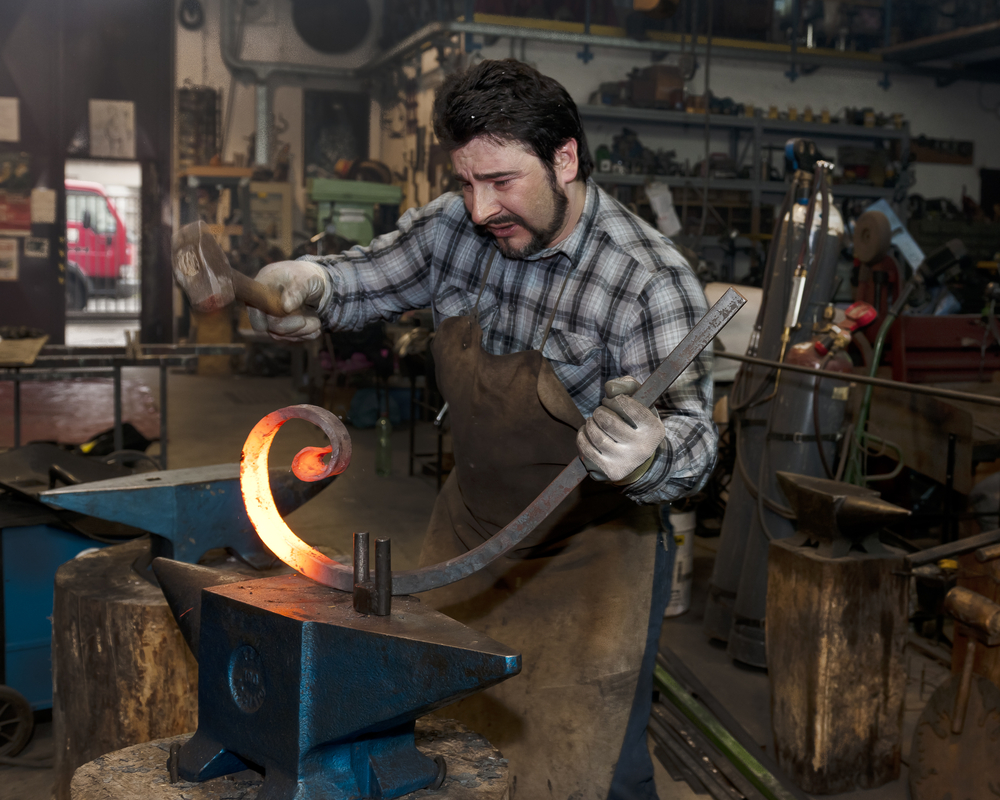
- Match the glove to the task. Light shaping vs heavy forging calls for different gloves.
- Try before you buy. Sizes and fits vary. A too-big glove equals lost dexterity.
- Look after them. A little conditioning (leather oil) and clean storage go a long way.
- Keep a backup. Gloves wear out—sparks find seams. Don’t push the limit.
Also, for non-welding tasks (grinding, handling hot cookware at a BBQ), many smiths keep a second pair of more flexible welder gloves or specialized BBQ gloves on hand. Versatility is underrated.
Choosing the Right Glove—Quick Checklist
- Can it handle high heat for more than a few seconds?
- Does it cover the forearm against sparks and flying scale?
- Is the glove made from durable leather that won’t stiffen or crack too soon?
- Does it balance heat-resistant protection with enough dexterity for gripping hammers and tongs?
- Is it versatile enough for other uses like BBQ, fireplace, or outdoor work?
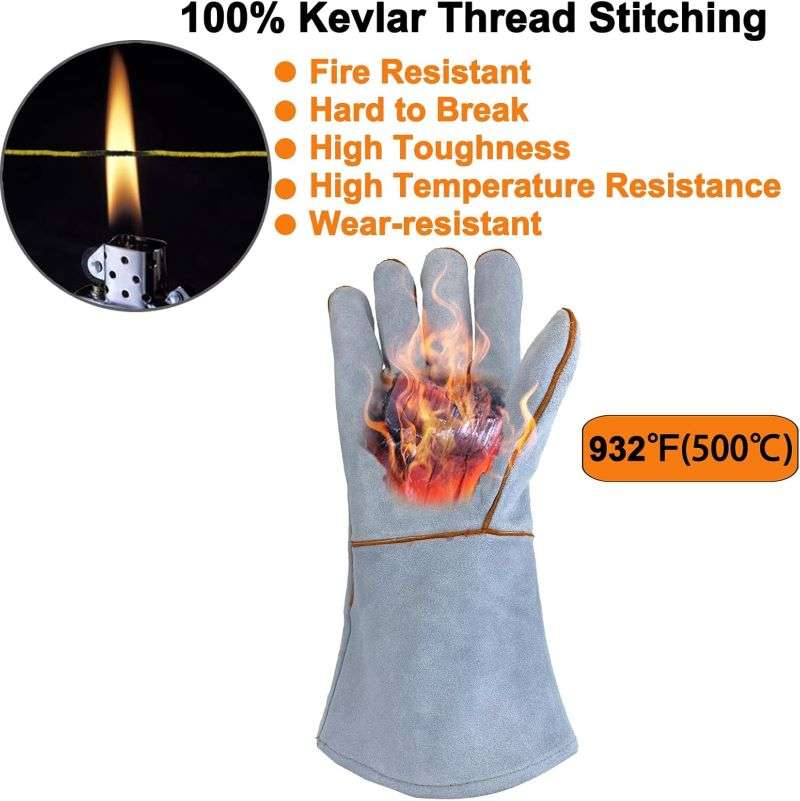
The Double-Layer Cowhide High-Temperature Welding Gloves fully meet these requirements. They’re built with a 14-inch sleeve for forearm safety, lined cotton for comfort, and tested to handle up to 932°F (500℃)—more than enough for forge work or weekend projects.
Conclusion: Craft Meets Safety
Blacksmithing is both art and endurance—and the right pair of welding gloves bridges those two worlds. With today’s designs, you don’t have to sacrifice dexterity for safety or comfort for protection.
For anyone serious about forging or even just handling fire in daily life, a glove that blends cowhide durability, heatproof layers, and extended coverage is a smart investment. The Double-Layer Cowhide High-Temperature Protective Gloves fit that balance perfectly: they’re tough enough for the forge but also versatile enough for grilling or tending a fireplace.
So next time you step up to the anvil or strike the fire pit, ask yourself—are my hands protected with gear that’s as timeless as the craft itself? Work safer, craft smarter—[BuyWelding Gloves Now].