

Starting as a young trainee in metalwork is thrilling—sparks, the hiss of a torch, and the satisfaction of a clean bead. Still, excitement shouldn’t outpace safety. Picking the right glove keeps tiny mistakes from turning into big burns and teaches good habits from day one.
Why Lightness and Protection Matter
Apprentices benefit from a lightweight pair: less fatigue, better control, and faster learning. But protection can’t be shortchanged—hot spatter and sharp edges are routine. The ideal glove offers flexibility for delicate tasks while giving reliable heat-resistant performance for quick exposures.
School and Class Expectations
Most vocational shops require gear that fits, shows minimal wear, and is suitable for MIG, TIG, and stick practice. Instructors often ask for:
- Proper sizing—not loose, not restrictive.
- Inspectable material—visible wear is a safety cue.
- Reinforced palms or thumb seams for durability.
Formal certification is a plus, though many programs focus on practical performance instead.
Affordable, Practical Picks
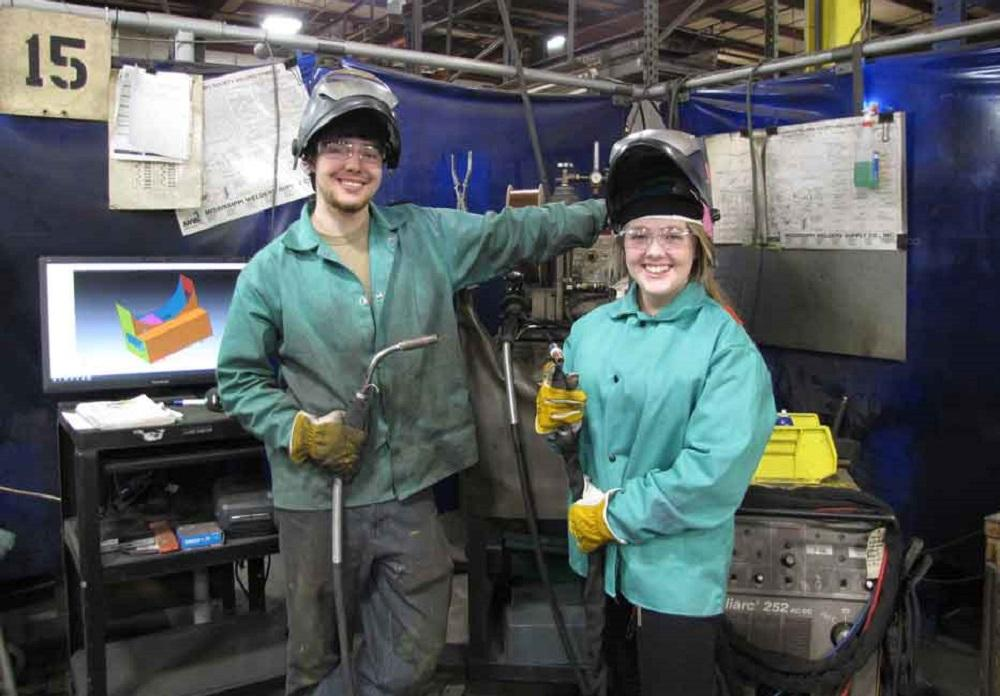
For classrooms and home practice, favor a leather pair with a soft insulated lining and wrist coverage around 24 cm. A bright, visible color helps teachers quickly spot misplaced gear. Good leather options tend to balance wear resistance and price—practical for beginners who will test the limits of their kit. Practical, good value, and often one of the best budget picks—that’s what parents and schools usually want.
Fit, Feel, and Dexterity
A trainee must be able to handle rods and small tools. Look for:
- Finger flexibility to maintain a secure grip.
- Breathable interior to reduce sweat and slipping (sweaty hands = poor control).
- A fit that breaks in comfortably without being floppy.
Building Inspection Habits
Good practice includes a quick pre-use check: look for thin spots, broken stitches, or damp liners. Promoting a short checklist in class reduces accidents and extends the life of equipment. Teach students to spot issues—it’s a tiny habit that pays off.
Multi-Use Benefits
A sturdy leather pair doubles as excellent heatproof protection for BBQ and workshop tasks—some welding gloves even claim to be waterproof for quick cleanup. They can keep handles cool and protect them during short hot tasks. Still: keep a dedicated training pair and another set for messy jobs—it’s cheaper and more hygienic.
Why the 24cm Yellow Leather Model Fits This Use Case
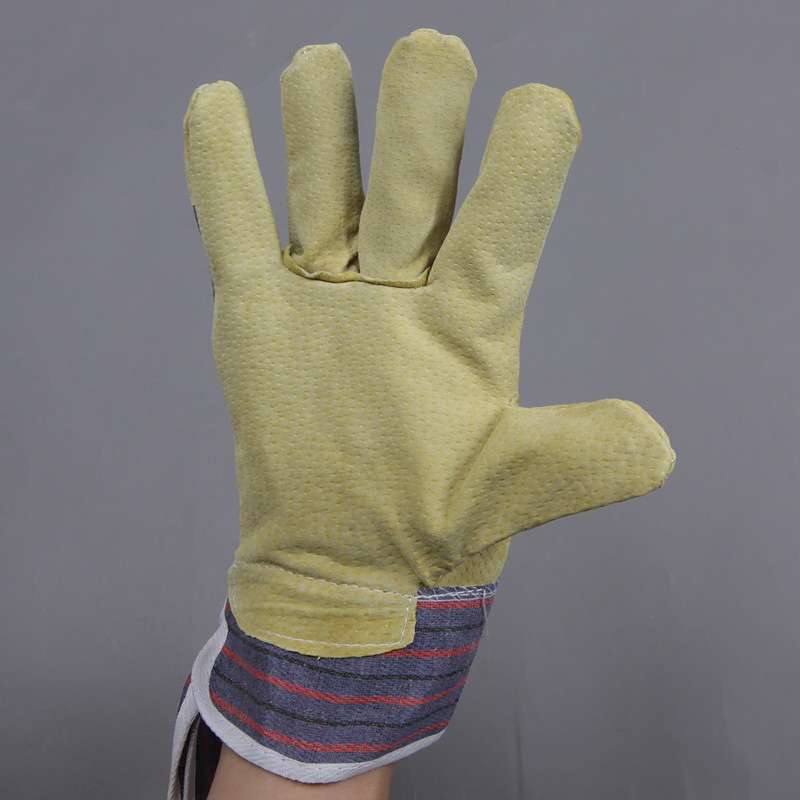
Visibility, durability, and affordability matter most for apprentices. A 24 cm bright yellow welding glove made from good leather provides wrist coverage, decent heat-resistant leather, and a design that fits most teens and adults. It’s insulated enough for typical shop practice, comfortable for longer sessions, and easy to maintain. In short: visible, practical, reliable—and a good match for school programs and parents who want a sensible buy.
Conclusion
Choosing protective handwear for young trainees is about balance: safety first, then comfort and cost. Pick a visible, leather-backed model with wrist coverage and a breathable lining, teach quick inspection routines, and invest in one dependable pair. It makes classes safer and learning smoother.
Ready to gear up? Grab your pair of Leather Welding Gloves today—safe, durable, and made for every young welder. We offer a 30-day return on unused items in original packaging, making your welding glove shopping worry-free.