
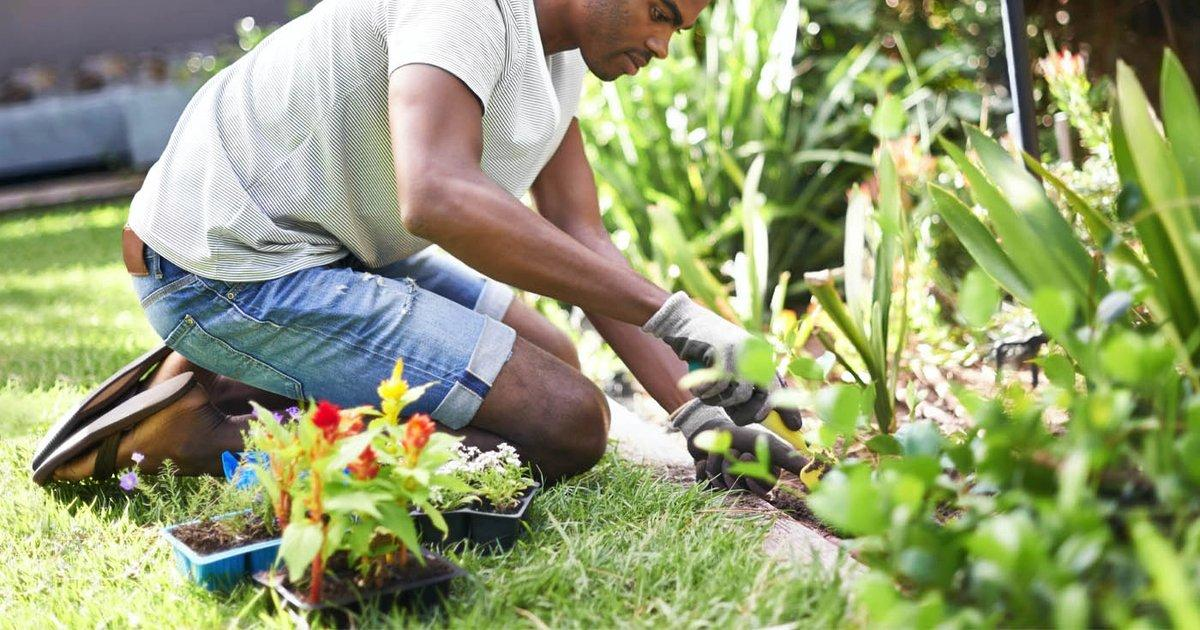
Pruning roses is oddly rewarding—until a thorn reminds you it isn’t. A misplaced branch, a sneaky stem, and you’re off to the sink scrubbing a line of scratches. That’s why more gardeners (yes, even weekend hobbyists) are reaching for welding gloves: they’re sturdy, often heat resistant, and surprisingly good at protecting forearms as well as palms. This post explains why welding gloves belong in your shed, what to look for, and a few real-world tips so you don’t end up juggling roses and bandaids.
Why Choose Welding Gloves for Rose Pruning?
- Puncture resistance: Ordinary garden mitts get pierced; real leather gloves (cowhide or double-layer) stop thorns better.
- Built tough: Designed for high-heat tasks, these gloves usually feature reinforced stitching (often Kevlar) and thicker leather—that translates to longer life in the garden.
- Grip and control: Good welding gloves balance thickness with flexibility. You still feel the pruner handle. You’re not fumbling. (Yes, some models are a bit bulky—but worth it.)
What Features Actually Matter for Pruning Roses
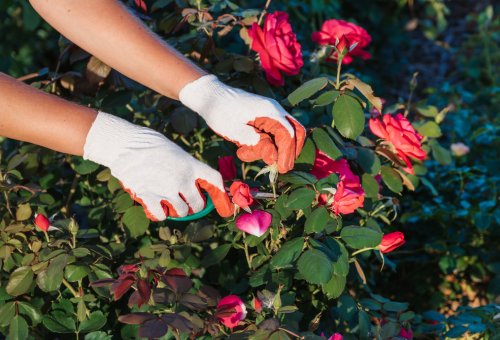
Material & Construction
- Cowhide leather is a reliable all-rounder: durable, abrasion-resistant, and fairly flexible. Look for double-layer cowhide if your roses are aggressive or you’re grabbing thorny brush.
- Leather palms with reinforced thumbs extend lifespan and protect high-wear areas.
Length & Coverage
- Short cuffs are fine for light potting. For roses, opt for long cuffs to shield forearms from scratches. Thorns love the sleeve gap—don’t give them one.
Lining & Comfort
- Cotton or insulated linings wick sweat and add comfort during longer sessions. In winter, an insulated pair keeps fingers nimble. In summer, choose breathable liners so your hands don’t feel like a sauna.
- If you also do BBQ or occasional metalwork, pick heatproof or heat-resistant models—they multitask well.
Fit & Dexterity
- Fit matters: too loose = loss of control; too tight = numbness. Check size charts (or test pairs when possible).
Practical Pruning Tips While Wearing Gloves
- Clear the ground first. Fallen branches are trip hazards and snag points.
- Cut in stages. Don’t haul half a bush at once—chop methodically; plants like it better anyway.
- Sharp tools = safer work. Sharp pruners need less force and have fewer slips.
- Mind your body position. Keep branches between you and your torso; don’t twist into the bush.
- Inspect gloves after use. Tiny punctures weaken protection. If leather is pierced, retire it from thorn duty.
When to Choose Lighter Leather (Or a Hybrid)
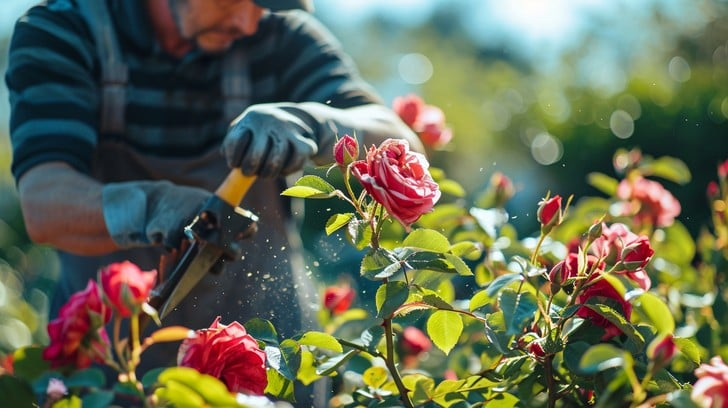
If you only do quick snips, consider half-leather or leather-palm styles: better dexterity and decent protection for light tasks. And if you’re on a budget, some yellow or more visible gloves combine value with decent wear resistance (great for shared workshops or family sheds).
Accidents and Aftercare
- Small scratch: wash with soap, apply antiseptic, and bandage. Simple.
- Deep puncture: seek medical care. Thorns carry bacteria and debris. Don’t gamble.
- Glove damage: a pierced leather glove is compromised—replace it.
Quick Comparison: Garden Gloves vs Welding Gloves
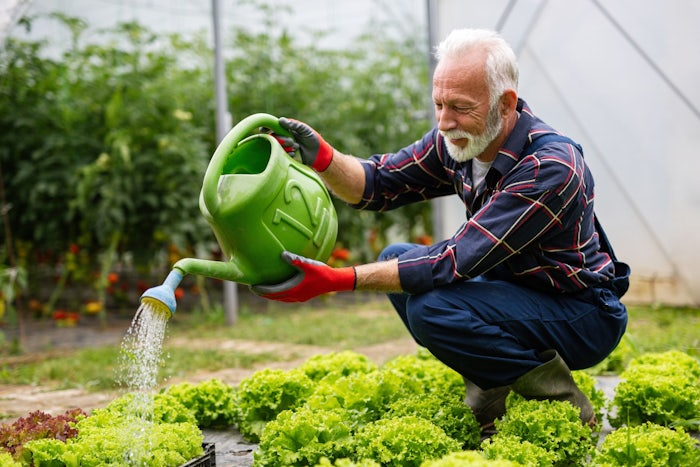
- Garden gloves are light, breathable, and cheap—perfect for seeding and potting.
- Welding gloves are tougher, longer-lasting, and puncture-resistant—ideal for thorny pruning, moving brush, and handling heavy debris.
Keep both; use the right tool for the job.
Which Gloves Should You Pick?
Not every welding glove is built for the same kind of gardening. Roses, with their sharp thorns and dense branches, demand different levels of protection depending on how much time you spend in the yard and what else you do with your gloves. Here’s a quick breakdown:
- Heavy-duty, multi-task use (BBQ, fireplace, welding, roses all-in-one): Go with the Full Cowhide Reinforced Gloves. They’re thick, heat resistant, and long enough to shield your forearms. Think of them as the armor set for serious garden warriors.
- Everyday gardening with durability: The Double-Layer Cowhide Gloves offer classic leather toughness without the bulk. Perfect if you mainly trim roses or shrubs but want something that lasts longer than regular garden gloves.
- Flexible handling and tool work: If you’re the type who needs more dexterity—snipping, tying, or arranging plants—the Half Leather or Leather Palm Gloves give you grip and movement while still keeping thorns out.
- Light-duty gardening and easy-to-find design: The Yellow Leather Palm Gloves are budget-friendly, comfortable, and visible. Toss them in the shed, and you won’t waste ten minutes looking for them.
If you want “one glove to rule them all,” go for the Full Cowhide Reinforced option. If you’re more about comfort and agility, the Leather Pair will feel cooler (literally and figuratively).
Final Thoughts—Shield Up, Prune Happy
Pruning roses should be about shaping beauty, not dodging barbs. A good pair of welding gloves gives confidence: fewer first-aid runs, better cuts, and more time enjoying the flowers. They’re not glamorous—they’re practical. And practical wins every season.
Ready to turn rose thorns into no big deal? Pick your perfect pair of heat-resistant leather welding gloves and make gardening safer—and a lot cooler. 🌹🧤 [Shop Now]