
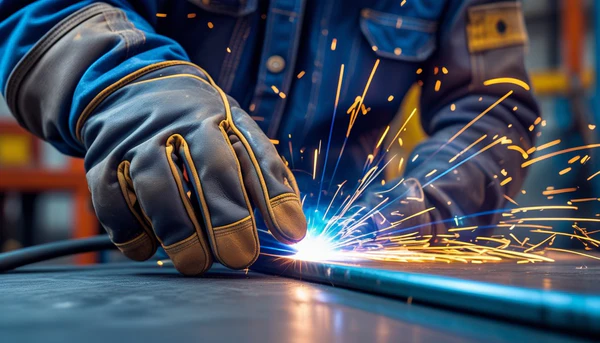
You can argue about technique, machines, even beer preferences after a job—fine. But here’s a hot take: for anyone who spends hours by a torch, comfort in your welding gloves matters more than you think. Not just for luxury. For safety, speed, and the boring-but-crucial day-to-day stamina that keeps fingers from fumbling. This piece looks beyond “how hot can it stand?” and digs into why the right gloves—the right leather, lining, length, and fit—can make your long shifts measurably safer and way less miserable.
Why Comfort Equals Safety
- Reaction time drops with discomfort. If your hands cramp or your fingers go numb, that split second to drop a torch or reposition becomes the moment things go sideways.
- Grip and precision suffer. Heavy or poorly fitting gloves blunt fine motor control—worse when you’re tired. A marginally awkward grip can turn into misaligned beads or a burnt wire.
- Behavioral risks increase. People adjust or pull off gloves when they’re too hot or itchy. Suddenly your bare hands are within reach of hot metal. That casual moment is where accidents happen.
So no, comfort isn’t fluff. It’s risk management. Treat it like an PPE strategy.
The Comfort Checklist: What Actually Matters
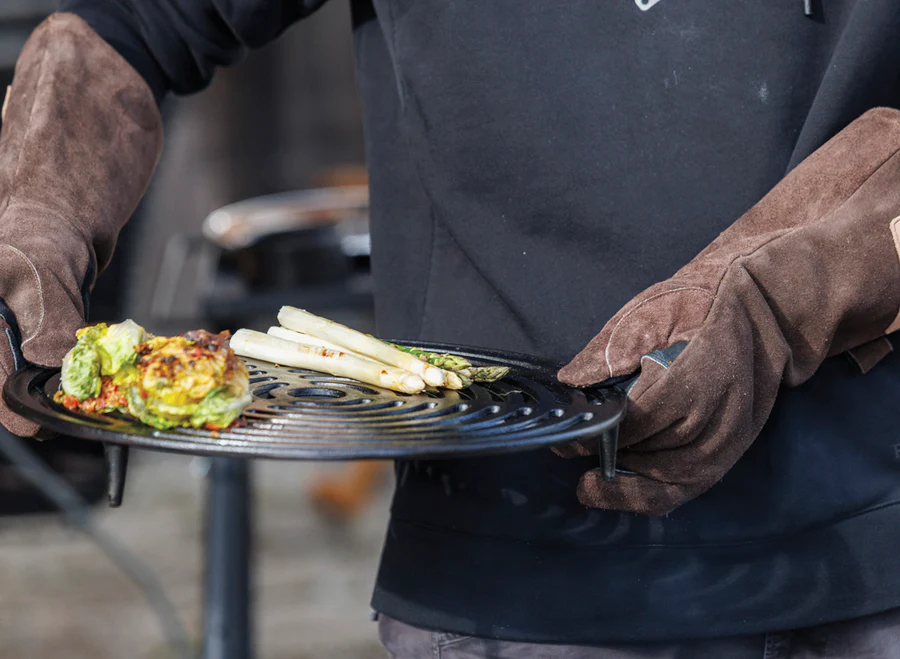
When vetting welding gloves, ask these five simple things:
Fit & Sizing
A glove that’s too loose slips; one that’s too tight chokes circulation. Measure palm circumference and thumb-to-middle-fingertip length. If in doubt, try both sizes—movement beats guesswork.
Weight vs. Dexterity
Thicker leather and double layers boost heat protection (great), but they make fingers sluggish (not great). For MIG, TIG, and stick jobs where you need fine control, a lighter palm or split-finger design often wins.
Inner Lining (Insulation & Sweat Management)
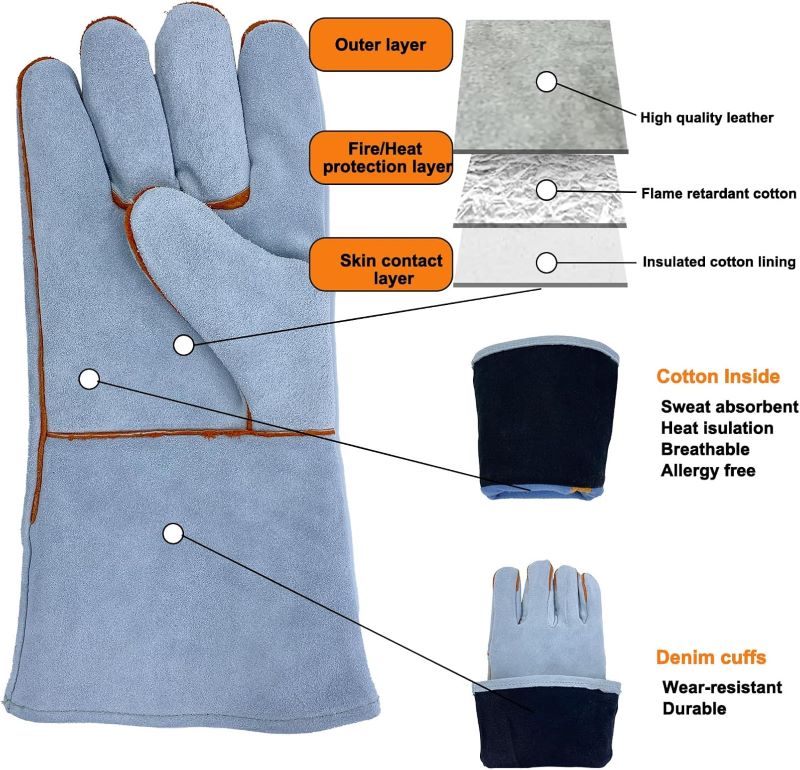
A cotton or soft insulated lining keeps long-shift sweat in check. Sweat = sliding = loss of control. Also, breathable linings reduce that clammy “I-can’t-feel-my-fingers” panic.
Stitching & Reinforcement
Kevlar stitching and reinforced thumbs matter where abrasion and sparks are constant. If seams fail, the whole barrier is compromised—no drama, just danger.
Length & Forearm Protection
Longer cuffs protect forearms from sparks and spatter. But if you’re working in tight spaces, a 14-inch gauntlet might be cumbersome. Balance protection with the job’s required mobility.
Quick Comparison: Four Practical Glove Types
1. Full Cowhide Reinforced Gloves
Ideal when you need forearm protection and abrasion resistance. Pros: strong heat resistance, durable. Cons: heavier—expect more fatigue on long, precision-heavy tasks.
2. Half Leather/Leather Palm Gloves
Great for control and short bursts of welding. Pros: dexterous, cooler to wear. Cons: limited forearm protection and lower sustained heat resistance.
3. 24cm Yellow Welding Gloves
Budget-friendly, good for general shop work and quick jobs. Pros: visibility, flexibility, cheap to replace. Cons: not the best for continuous high-heat exposure.
4. Double-Layer Cowhide High-Temperature Gloves
For prolonged exposure to intense heat—furnace, forge, heavy blacksmithing. Pros: maximum heatproof, longevity. Cons: the heaviest option; expect slower hands and more fatigue.
For long shifts at high heat, prefer robust cowhide or double-layer designs with breathable linings—and plan for rotation.
Real-world Tips: Make Long Shifts Survivable (and Safer)
- Rotate gloves. Keep at least two pairs. Swap every few hours to let padding recover and to avoid sweat buildup.
- Take micro-breaks. Even 3–5 minutes of handshakes and stretches every hour resets circulation and focus. (Yes, it helps.)
- Use tooling to reduce grip time. Pliers, magnetic holders, and fixtures reduce how long you’re clenching. Less grip time = less fatigue.
- Control the microclimate. A fan, ventilation, or just a cooler workspace lowers skin temperature—gloves stay more comfortable.
- Inspect daily. Look for hardening linings, exposed seams, or thinning spots. Replace before failure—not after.
Care and Maintenance That Preserve Comfort
- Clean gently. Wipe leather with a damp cloth; avoid soaking. For deeper care, use leather-safe conditioners sparingly.
- Air dry—never oven-dry. Heat deforms leather and ruins insulation.
- Store on hooks. Hang gloves to keep their shape; don’t cram them in toolboxes where they flatten and lose their fit.
- Patch small tears early. A simple seam re-stitch buys months of safe use.
Want to make your gloves more durable and comfortable? 👉 [Check out our complete guide to welding glove care.]
Short FAQ
Q: How do I choose between cowhide, half leather, and full leather welding gloves?
A: Cowhide gloves give tough protection for heavy heat. Half leather feels lighter and easier for TIG moves. Full leather? More comfort, solid coverage—great when MIG or stick sessions drag on.
Q: Can I use welding gloves for BBQ or fireplace work?
A: Yes—many heat-resistant gloves listed as heatproof work fine for BBQ. Still, check for oil resistance and comfort when handling grill tools.
Q: Ladies’ sizes available?
A: Welding gloves usually run in unisex sizes. If you’ve got smaller hands, just pick the narrower or smaller cuts—fit counts more than the label.
Conclusion
Comfort is not indulgence. It’s prevention. If you spend long hours with a torch in hand, think like a manager: invest a bit more in the right welding gloves—a leather pair that fits, breathes, and protects the forearm will pay back in fewer mistakes, fewer injuries, and more steady work.
Want a quick starting point? Consider a double-layer cowhide for heavy shifts or a lighter leather palm for control-heavy MIG/TIG sessions. Swap, rest, repeat. Your hands will thank you tomorrow.
Ready to upgrade? Check the comparison picks (double-layer cowhide for full-shift high heat; lightweight leather for precision) and keep at least two pairs in rotation. Stay safe, stay practical—and yes, stay a little picky about your gloves.