
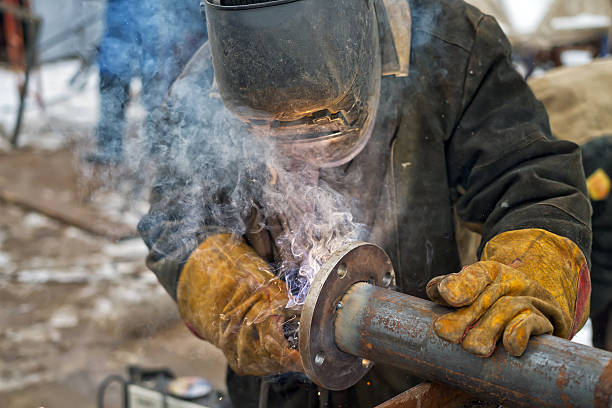
Temperature matters more than many welders realize. A pair of welding gloves that feels perfect in July can become a nightmare in January. In this article, we’ll break down how welder gloves behave in high heat versus extreme cold, and why the “one glove fits all” mindset is a recipe for sweaty palms or frozen fingers.
Why Temperature Should Drive Your Choice
Not all heat is the same. There’s the instant blast from sparks and molten metal, and there’s the ambient heat of a summer shop. Cold has its own tricks: biting wind, snow, and frozen steel that drains body heat in seconds.
A good leather glove must balance heat-resistant protection with dexterity in hot conditions. In the cold, the same glove needs to stay insulated and flexible—without turning your hands into stiff claws. That’s a tough trade-off, and it’s why many welders keep more than one pair ready.
Performance of Gloves in High Heat
Heat Sources
- Sparks and spatter from MIG, TIG, or stick welding
- Radiant heat from forges or furnaces
- Hot metal handling, BBQ pits, and even firewood
Material Behavior
- Cowhide leather chars before burning, offering strong heatproof defense.
- Kevlar stitching resists melting, unlike polyester thread.
- But repeated heat exposure dries and cracks leather, making it brittle.
Common Problems
- Excessive sweat inside, leading to slippery grip
- Hardening or cracking of leather after heavy use
- Tired hands from thick, non-breathable layers
Best Choices for High Heat
- Thick cowhide or layered leather outer shell
- Cotton or wool insulated liner to keep hands stable but still cool enough
- Extended cuffs to guard arms against sparks
Performance of Gloves in Extreme Cold
Cold-Weather Scenarios
- Outdoor pipeline welding in snow
- Winter construction sites
- Freezing warehouses and open-air factories
Material Behavior
- Regular leather stiffens in freezing temps; oil-tanned leather stays softer
- Moisture exposure can freeze, damaging both glove and skin
- Thick fleece or wool linings add warmth but reduce dexterity
Common Problems
- Fingers stiffen, reducing precision
- Seams split from frozen, inflexible material
- Wet interiors from sweat or snow that refreeze
Best Choices for Extreme Cold
- Oil-tanned cowhide with removable fleece or synthetic liners
- Waterproof treatment to block snow and condensation
- Windproof cuffs that seal in warmth
High Heat vs Extreme Cold—A Quick Comparison
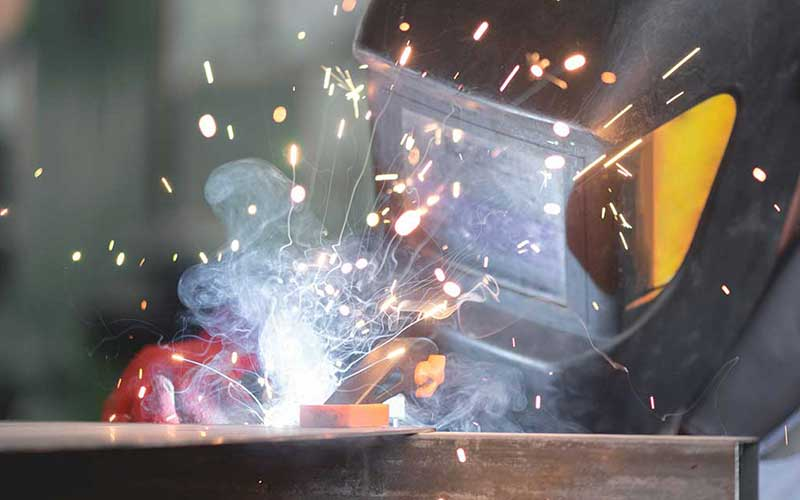
- Breathability vs insulation: hot environments need airflow, cold ones need trapped heat
- Thickness vs dexterity: bulkier means safer but clumsier
- Durability: heat-rated gloves often outlast cold-weather versions due to material stress differences
Buying Guide: Picking the Right Welding Gloves
- Define your job—MIG/TIG/stick welding, BBQ, or outdoor pipeline work
- Materials—prefer cowhide or treated leather with Kevlar seams
- Check specs—temperature rating, liner type, water resistance
- Test dexterity—can you grip a tool or pull a trigger smoothly?
- Replace when seams split or leather stiffens
Real Stories
- Jake, summer forge: Cheap fabric gloves burned through in seconds. Switched to thick, heat-resistant leather. No more accidents.
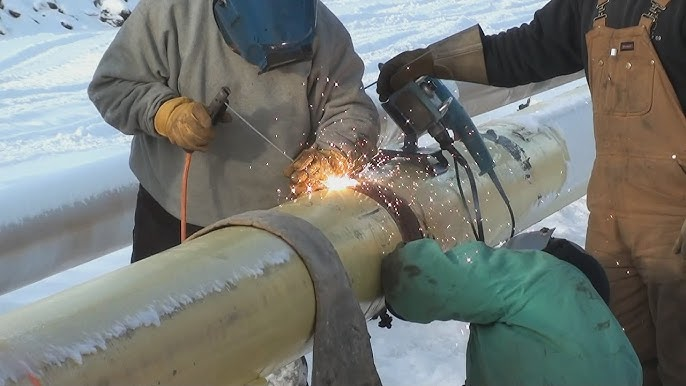
- Maria, winter pipeline: Shop gloves froze stiff, making bolts impossible to grip. Swapped to oil-tanned insulated cowhide—problem solved.
Conclusion
Which welding gloves are suitable for extreme heat and cold? For hot work, thick, multi-layered cowhide with a heat-resistant design is the best choice. For cold outdoor work, cotton-lined welding gloves are the best choice. These Double-Layer Cowhide Welding Gloves are our top choice for extreme heat and cold. The 100% soft, insulated cotton lining enhances heat and cold resistance, wicks sweat, and provides breathability during use. The extra-long 14-inch glove and 5.5-inch sleeves protect against the sun and wind, making working more comfortable.
Looking for more excellent and affordable welding gloves? [Welcome to Our Store to Choose]