
Ask any experienced welder, and they’ll tell you: your gloves are just as important as your hard hat. Sparks, molten metal, and extreme heat are all part of welding, and the right pair of welding gloves can mean the difference between a safe weld and a burn.
The tricky part is, not all welding gloves are created equal. MIG, TIG , and arc welding have completely different requirements. Some processes call for armor-like, heavy-duty leather gloves, while others require lightweight, precision-focused gloves. In this guide, we’ll analyze the best welding gloves for each process to help you become an expert in choosing welding gloves.
Why Welding Method Dictates Your Gloves
Think of welding like sports—different games, different gear. You wouldn’t wear hockey pads to play basketball, right? The same goes for welding.
- MIG welding: lots of sparks, hot spatter, and sustained heat. Gloves need to be heavy-duty.
- TIG welding: About control, finesse, and precision. Gloves need to be thin and responsive.
- Arc welding: The most extreme—super high temperatures, bright arc light, and spatter everywhere. Gloves need maximum protection.
Bottom line: the right welding gloves depend on the job. A welder switching between MIG and TIG can’t expect one single glove to perform equally well—unless it’s one of the best cowhide long gloves designed for versatility.
MIG Welding Gloves: Durable and Protective
If you’ve done MIG welding, you know it’s a fireworks show. Sparks flying, heat blasting, and molten metal raining down. This is where bulk is your friend.
What you need in MIG gloves:
- Thick cowhide leather construction for durability.
- 14-inch-long welding gloves to cover wrists and forearms.
- Kevlar stitching that won’t burn out.
Best pick: 14-Inch Full Cowhide Leather Welding Gloves
- Premium leather with insulated cotton lining.
- Withstands up to 250°C (482°F).
- Perfect mix of protection and flexibility.
When it comes to MIG welding, a slightly bulkier glove actually works in your favor. It’s like armor—deflecting sparks and shielding your skin so you can weld with confidence.
TIG Welding Gloves: Precision and Flexibility
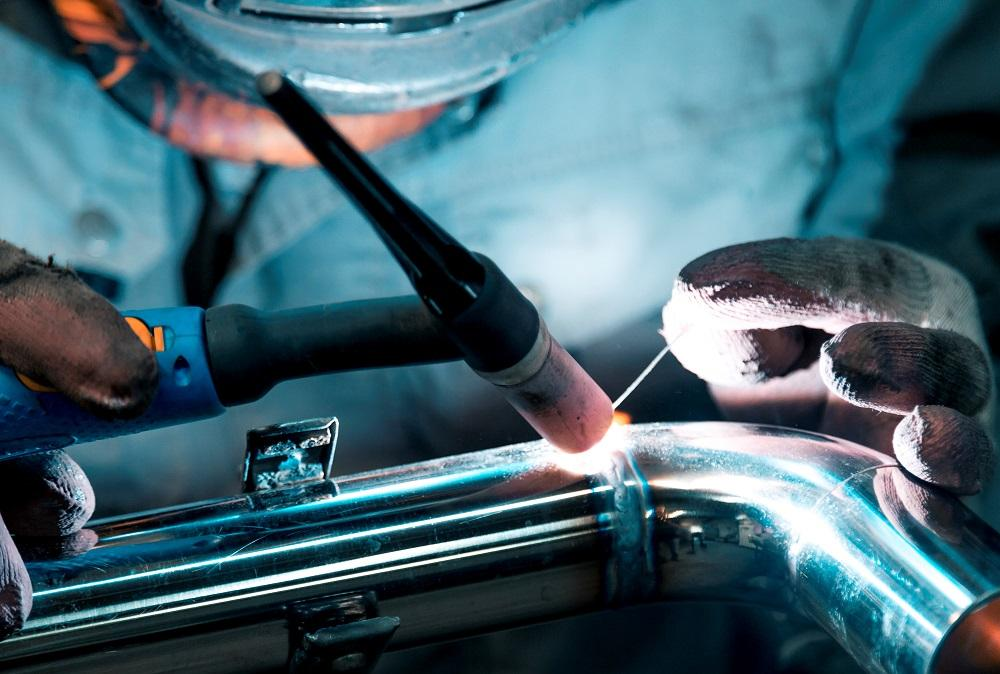
On the other hand, TIG welding is all about the details. You need to steady your hand, control the arc, and handle filler rods with finesse. If your gloves are too thick, forget it—you’ll feel like you’re welding with oven mitts.
What you need in TIG gloves:
- Softer cowhide or goatskin for dexterity.
- Snug fit for accurate movements.
- Lightweight build that still offers heat-resistant protection.
Best pick: 10-Inch Soft Cowhide Welding Gloves (Blue-Gray)
- Soft interior lining keeps hands cool and dry.
- Lightweight and flexible, ideal for TIG precision.
- Versatile enough for welding, DIY, grilling, or handling small tools.
When accuracy matters more than brute force, TIG welding gloves are the best way to go.
Arc Welding Gloves: Extreme Heat Defense
Now let’s talk about the toughest of them all: arc welding. We’re dealing with blinding light, flying spatter, and extreme temperatures. This is no place for thin gloves.
What you need in arc welding gloves:
- Double-layer cowhide leather for maximum durability.
- 14-inch-long cuffs to protect forearms.
- Heavy insulation with the highest heat-resistant rating.
Best pick: Double-Layer Cowhide High-Temperature Welding Gloves
- Handles up to 500°C (932°F).
- Reinforced thumb design for durability.
- Long and sturdy—perfect for blacksmithing, arc welding, or heavy-duty industrial work.
If you’re standing in a storm of sparks, these gloves are what give you peace of mind.
FAQ: Your Welding Glove Questions Answered
Q1: Can one pair of gloves cover MIG, TIG, and arc welding?
Not really. Each process has different demands. If you want versatility, go for the best cowhide long gloves, but ideally, keep separate pairs for each method.
Q2: Do welding gloves always have to be leather?
Leather—especially cowhide—is the gold standard. It’s tough, flexible, and naturally heat resistant. But different leathers serve different purposes: thicker cowhide for MIG/Arc and softer hides for TIG.
Q3: Won’t my hands get sweaty inside welding gloves?
Good question. Quality gloves have cotton lining or breathable layers that keep your hands cool even during long sessions. If comfort is a priority, avoid cheap synthetics.
Q4: I’m a beginner welder. Do I need the most expensive gloves?
Not necessarily. Start with solid leather welding gloves that balance safety and cost. As you move into advanced arc welding or heavy-duty work, then upgrade to premium models.
Conclusion: Protect Your Hands, Weld Your Best
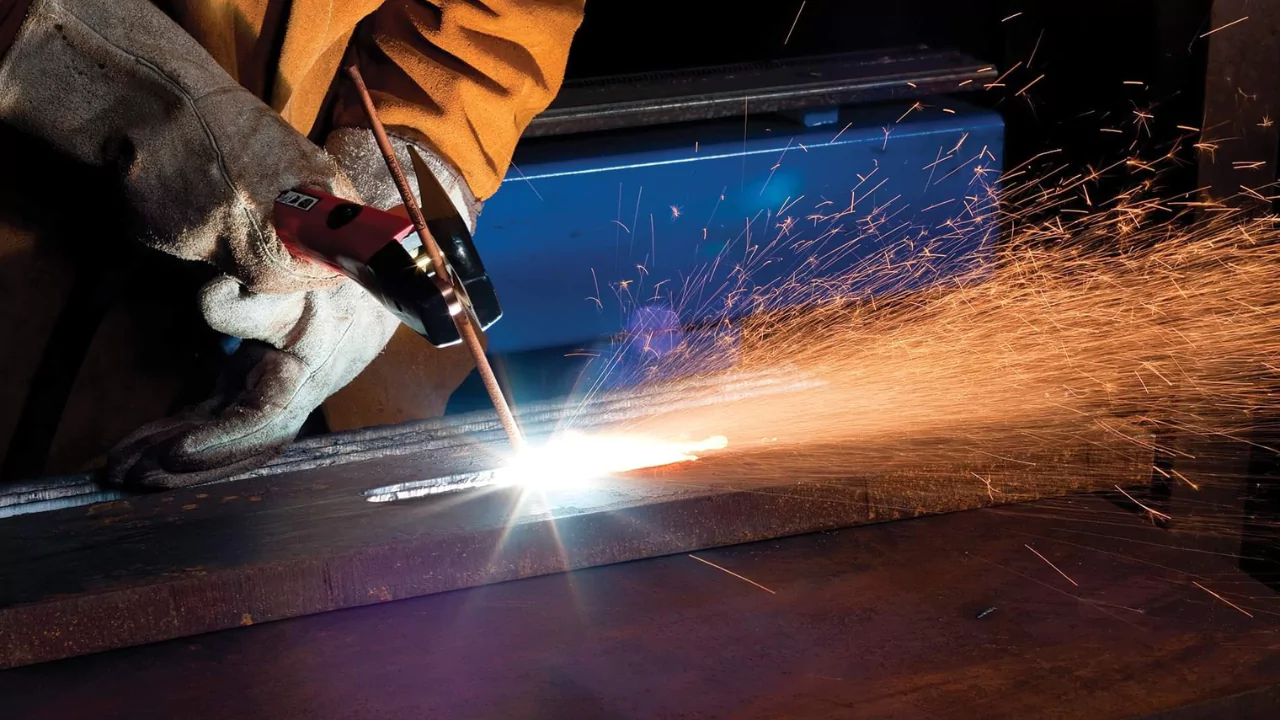
At the end of the day, the best welds come from focus and steady hands—and that only happens when you trust your gear. The right pair of welding gloves isn’t a luxury; it’s essential.
- MIG welders: Go thick and long, like the 14-inch Full Cowhide Gloves.
- TIG welders: Choose lightweight precision with the 10-inch Soft Cowhide Gloves.
- Arc welders: Nothing less than double-layer cowhide high-temp gloves will do.
Whether you’re a seasoned welder or just messing around with DIY projects in your garage, one thing’s pretty clear—you can’t skip on decent leather welding gloves. They keep your hands safe, save you from burns, and honestly just make the whole job smoother. Think about it: for every spark, every bit of heat, your gloves are the first thing taking the hit before it reaches you.
Ready to upgrade? Check out our full range of heat-resistant cowhide welding gloves and find the perfect match for your work. We offer a 30-day return policy on all unused items in their original packaging. If you need to initiate a return, or if you receive a defective product, please contact our After-Sales Support team immediately at [email protected]. For general inquiries, you can also call us at +1 510-751-3469 during business hours (Mon–Fri, 09:00–17:00 PST). We aim to respond to all emails within 24 hours. We are dedicated to serving you!