
Maintaining and repairing cars? Yeah, it’s not just topping up engine oil. Sparks flying, jagged metal edges, scorching exhaust pipes… oh, and don’t even get me started on those harsh cleaning chemicals. One second of carelessness, and—ouch. That’s where a solid pair of welding gloves comes in. Not just “feel safer” stuff—they actually help you grip tools, steady your hands, and somehow make the whole job a little less chaotic.
Funny thing? Tons of DIYers—and even some pro welders—just shrug, like, “It’s fine; a quick brush against hot metal won’t hurt.” Sure… until it does. A few seconds of burns, cuts, or chemical contact, and suddenly you’ve got marks that last days, maybe weeks—and your workflow? Totally thrown off.
So yeah, pick the right heat-resistant gloves. Seriously. It makes a difference. Whether you’re tinkering in your cramped garage or going full-on workshop mode, your hands will thank you.
Common Hazards in Auto Work
Burns and Heat Transfer
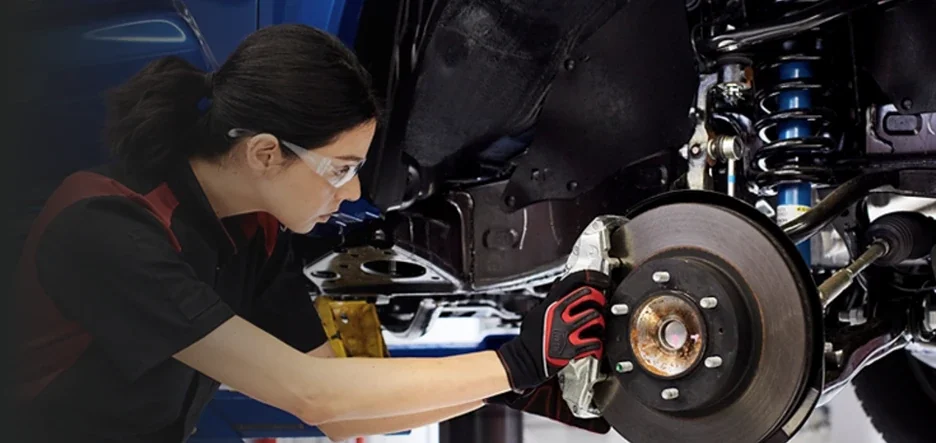
Engines, exhaust systems, brake discs… yeah, they stay hot way longer than you think. Even a quick brush can leave a nasty burn. And when you’re welding, grinding, or messing with metal, flying sparks and tiny shards can catch your hands off guard. Long, high-temp leather gloves? Not optional—they’re your first line of defense.
Cuts and Punctures
Sharp sheet metal edges, springs, random metal bits… they’re everywhere. One careless move, and bam—a cut. Beginners, beware! Thick, reinforced welding gloves seriously cut down the risk, keeping little injuries from turning into bigger headaches. I once sliced my knuckle on a hidden edge under the hood, and trust me, it made even a quick job feel like a nightmare.
Oil and Chemical Exposure
Oil, grease, cleaning chemicals… They look harmless, but your skin will beg to differ. Dryness, irritation, maybe even some damage. Regular cloth or thin gloves? Forget it. You’d be washing your hands constantly. Oil-resistant cowhide gloves? They actually protect your hands and save you a ton of effort. Bonus: your workflow doesn’t get interrupted every two minutes. I used to skip gloves when using brake cleaner—ended up with cracked skin for days. Never again.
Reduced Flexibility and Tool Slippage
Some gloves feel like armor, but surprise—they can kill your grip and make tools slip. Precision goes out the window. The trick is finding gloves that balance protection and flexibility. Cool, heat-resistant leather gloves? That’s the sweet spot—safe hands without losing dexterity.
Key Factors When Choosing Welding Gloves
Material
- Full/Double-Layer Cowhide Leather: Heat-resistant, wear-resistant, and cut-resistant; ideal for TIG, MIG, and high-temperature tasks. Double layers offer enhanced protection for frequent welding or metalwork.
- Half Leather/Palm Leather Gloves: Leather on the palm, breathable fabric on the back; balances grip and flexibility, suitable for oil changes, tire work, and everyday maintenance.
- Reinforced Stitching (Kevlar): Enhances heat and cut resistance; critical areas are reinforced to extend glove life and reduce accidental cuts.
Lining and Comfort
Cotton lining absorbs sweat and provides insulation. Thin lining offers flexibility for routine maintenance; thick lining adds heat protection for TIG and MIG welding.
Length
- Short/Wrist-Length (10–12 inches): Ideal for oil changes, tire work, and low-heat tasks; flexible and easy to operate.
- Long (14+ inches): Protects forearms during welding, grinding, or other high-temperature work; prevents sparks or hot metal from contacting skin.
Grip and Dexterity
Gloves with textured palms or tailored stitching reduce tool slippage and improve handling efficiency.
Oil Resistance and Easy Cleaning
Oil-resistant surfaces allow quick cleaning, extending glove lifespan. Avoid machine washing leather gloves; wipe with a damp cloth, air-dry, and use leather conditioner periodically.
Practical Recommendations
For both professional welders and home mechanics, the following two pairs of welding gloves are enough to cover most maintenance and high-temperature needs. They strike the right balance between affordability, comfort, and protection.
Yellow 24cm Welding Gloves
- The best choice for daily use. These leather welding gloves are affordable, durable, and reusable. The long 24 cm design covers the wrist and part of the forearm, protecting against sparks and sharp metal edges. The bright yellow color makes them easy to spot in a busy workshop, so you’ll never misplace them.
- Ideal For: Routine car maintenance, oil changes, tire replacement, and occasional TIG or MIG welding projects. Their flexibility makes them a practical option for both professionals and beginners who want reliable, cool-looking gloves without overspending.
Double-Layer Long Cowhide Welding Gloves
- The best choice for high-temperature resistance. Made from high-quality double-layer cowhide leather, these heat-resistant gloves can withstand temperatures up to 500℃. The soft cotton lining ensures comfort, while the extended length provides full forearm protection against sparks and hot metal.
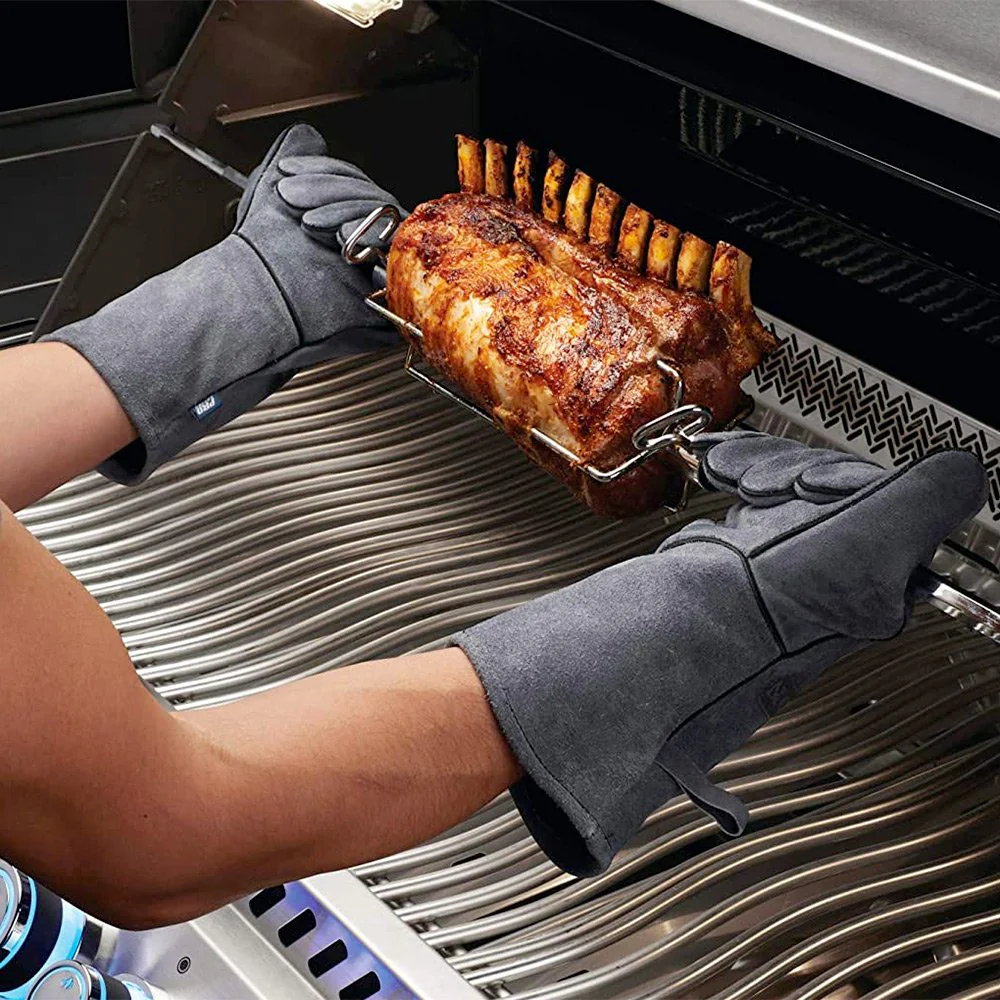
- Ideal For: High-heat operations such as TIG/MIG welding, exhaust system repairs, grinding, or handling hot automotive and metal parts. These gloves are also versatile enough for grilling, baking, or any task where you need the best protection from extreme heat.
By combining these two options, you’ll have one pair of leather welding gloves optimized for everyday mechanical tasks and another pair of long, heat-resistant cowhide gloves designed for demanding welding and high-temperature work. This two-glove strategy ensures both safety and efficiency, making it the best investment for anyone serious about auto repair, welding, or DIY projects.
Usage Tips
Two-Glove Strategy
Keep it simple: use yellow 24 cm gloves for routine stuff, and switch to double-layer cowhide when it’s high-heat or spark-heavy. Trust me, grabbing hot metal with the wrong pair once is enough to convince you.
Proper Fit
Gloves should feel snug but not tight. Fingers move easily, fists flex without a fight. Too big? Tools slip. Too small? Your hands cramp up fast. I once wore a size too small—lasted ten minutes before I gave up.
Check Seams and Edges
Don’t ignore the little things. Loose seams or rough edges? They’ll split open right when you need protection most. A quick check before each job saves a lot of swearing later.
Cleaning and Maintenance
Leather likes care. Wipe with a damp cloth, air-dry (never toss them on a heater), and hit them with conditioner once in a while. Makes them last longer and feel better. I ruined my first pair by leaving them soaked in the trunk—don’t repeat that mistake.
Replacement Indicators
Cracked, hardened, punctured, or is the lining falling apart? Time to ditch them. Old gloves don’t “toughen up,” they just stop working. Better to replace early than regret late.
Cost vs. Benefit
Think about it—spending a bit more on solid, heat-resistant gloves is usually cheaper than ending up in a clinic for burns or nasty cuts. The right gear doesn’t just protect your hands; it keeps you moving faster on the job and saves you from losing hours because of accidents. In the long run, that small investment feels a lot smarter than dealing with avoidable injuries.
Conclusion
In the world of auto repair and welding, protecting your hands is not optional—it’s essential. A good pair of welding gloves does more than shield you from sparks, sharp edges, or hot exhaust pipes. It also improves your grip, stability, and efficiency, helping every welder or DIY enthusiast work with greater confidence.
Different situations call for different solutions. Lightweight leather gloves can handle everyday maintenance tasks, while long, heat-resistant cowhide gloves provide maximum protection for TIG and MIG welding or high-temperature operations. Choosing gloves that balance safety, flexibility, and comfort ensures you’re prepared for anything from routine mechanical work to demanding, high-heat environments.
Ultimately, investing in the best welding gloves is about more than safety—it’s about working smarter, keeping your hands cool and protected, and enjoying the process whether you’re in the garage, the workshop, or out by the grill.