
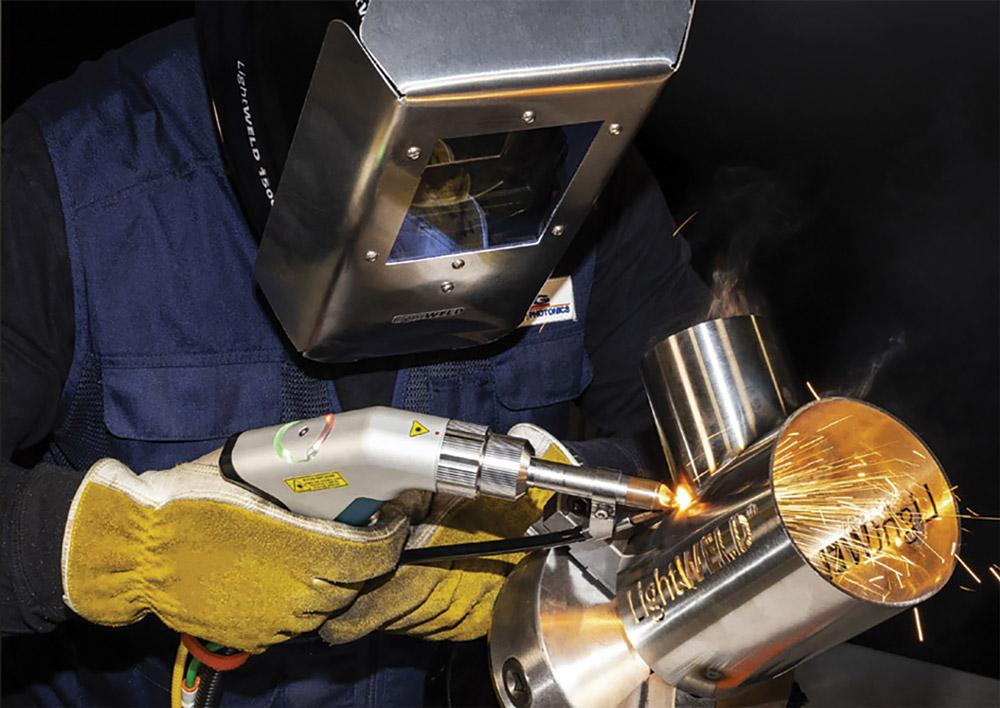
Welding is hot, fast, and unforgiving. Without the right protection, even a single spark can leave lasting damage. That’s why welding gloves aren’t just another tool—they’re a frontline defense. But not all gloves are created equal. Understanding the safety standards behind gauntlet welding gloves, heat-resistant leather gloves, and different styles for TIG or MIG welders is what separates true protection from risky guesswork. Even with a helmet on, proper gloves are essential for every welder.
Key Benefits of Welding Gloves
Whether it’s MIG or TIG welding, the heat is brutal, and the sparks don’t always fly where you expect. That’s where certified welding gloves really earn their place. A few things stand out:
- Heat resistance: Good gloves can handle over 250°C without giving up, and they won’t fail even if there’s a short burst past 500°C. That kind of protection keeps burns from turning into serious injuries.
- Leather durability: Cowhide leather gloves aren’t just tradition—they resist cuts, scrapes, and punctures far better than regular fabric.
- Gauntlet length: Longer cuffs matter more than most people think; they stop sparks from slipping under your sleeves.
- Flexibility: The best welding gloves don’t feel like bricks. They let you move and keep steady hands, which matters when every millimeter of precision counts.
For welders, these details aren’t “nice to have.” They’re the difference between safe, efficient work and unnecessary risks.
Safety Standards for Welding Gloves
When it comes to welding gloves, there’s no guesswork—standards exist so the gear actually protects people in real conditions. These rules aren’t just red tape; they came from years of accident reports, lab tests, and watching how people actually move their hands on the job.
- OSHA (Occupational Safety and Health Administration, USA)
In the U.S., OSHA expects employers to provide proper PPE for welding. For gloves, that usually means heat-resistant leather welding gloves or other flame-retardant materials that cover the hand, the wrist, and part of the forearm. The basic idea: don’t let sparks sneak into your sleeves, even when wearing a helmet. [Learn more about OSHA.] - ANSI/ISEA 105 (American National Standards Institute / International Safety Equipment Association)
This standard gives performance ratings—cut, puncture, abrasion, and direct-heat resistance—so you get numbers, not just marketing speak. Gauntlet welding gloves tend to score high on heat and abrasion, which is useful whether you are a professional TIG welder or a hobbyist handling MIG welding at home. [Learn more about ANSI/ISEA 105.] - ISO 11611 (International Organization for Standardization)
ISO 11611 is the global baseline for welding protective gear. For gloves it calls for flame-spread resistance, protection against molten metal splash, solid contact-heat performance, and a minimum cuff length—yes, the cuff length matters. Properly certified welding gloves ensure even small hands and long gauntlets fit well. [Learn more about ISO 11611.] - EN 12477 (European Standard)
Europe’s EN 12477 mixes mechanical and thermal risk requirements. It splits gloves into two types:
Type A → stronger heat protection, less dexterity—good for MIG and arc welding.
Type B → better finger control, less heat resistance—often preferred for TIG welding. [Learn more about EN 12477.]
At the end of the day, standards make protection consistent—whether you’re in a small shop or on a heavy-industry crew. They also help companies reduce liability and help workers trust that certified cowhide gloves will perform under heat and sparks. That said, standards aren’t a magic fix: fit, maintenance, and how someone uses the welding gloves still decide the outcome.
Ignoring Welding Glove Safety Standards: The Hidden Risks

Wearing welding gloves alone isn’t enough—overlooking proper safety standards can land you in trouble faster than you might expect. Some gloves look sturdy at first glance, but without proper certification, they often fail when it really counts.
Here’s what can happen:
- Burn Injuries – Gloves that lack verified heat-resistant ratings might let sparks or molten metal slip through. And trust me, that sting is immediate and memorable.
- Reduced Dexterity in TIG/MIG Welding – Cheap or ill-fitted gloves can hamper movements, making it tricky to handle tools with precision. Even a small slip can ruin a weld—or worse, cause injury.
- Premature Wear and Tear – Non-compliant cowhide leather gloves or thin imitations wear out fast. Over time, cracks or holes appear, leaving hands exposed to sharp edges or hot surfaces.
- False Sense of Security – You might feel protected, but the reality is different. Without certified gloves for welding, even routine high-temperature tasks carry more risk than most workers realize.
Bottom line: skipping safety-certified welding gloves isn’t just about comfort. It’s a gamble with accidents, lost work hours, and medical bills. Investing in proper gloves is worth every penny when your hands are at stake
Conclusion & Business Responsibility
For enterprises, having a pair of suitable welding gloves may seem like a small step, but it can bring significant benefits. Investing in durable and high-quality cowhide gloves for welding is not just for safety; it can also save time, reduce distractions, and enable workers to perform with confidence. For individual TIG or MIG welders, whether at a busy industrial site or a home workshop, the right gloves offer more than protection—they help maintain focus during the welding process. This sense of security is definitely worth investing in.
Welding gloves are not optional equipment; they are as essential as a helmet. Any serious welder knows that certified, heat-resistant leather gloves are the difference between a safe job and a costly accident. Choose the right safety-certified gloves; protect your hands now!