
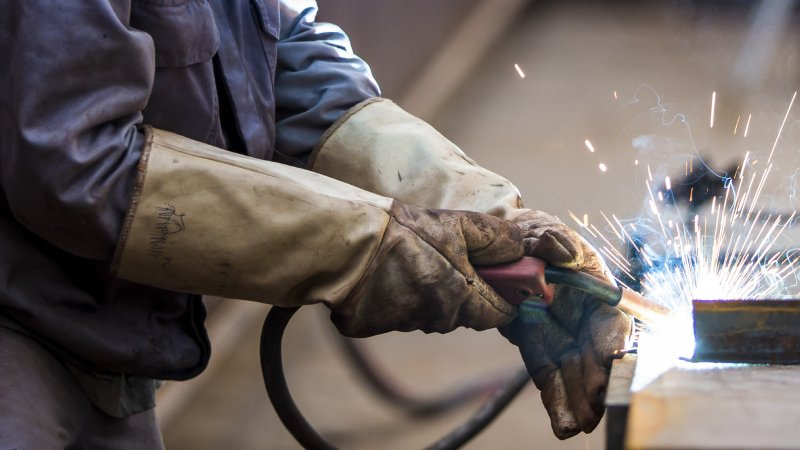
Choosing the right welding gloves is more important than it looks at first glance. A 10-inch pair might give you just enough coverage, but switch to 14 inches and suddenly more of your arm is safe from stray sparks. Of course, the extra length can also make your wrist feel a little less free to move. That’s the kind of trade-off welders deal with all the time. In the end, the best welding gloves aren’t about one single feature—they’re about what feels right for your work style, whether you’re running a full shift on the job or just tinkering with a weekend project.
Coverage and Forearm Protection
A 10-inch cuff mainly protects your hand and wrist. For most everyday tasks—metal grinding, quick touch-ups, light fabrication—it usually does the job. But if sparks are flying or molten bits are a possibility, a 14-inch cuff can really make a difference. It climbs further up your forearm, shielding you from falling sparks, hot slag, or brief splashes of molten material. If you do overhead welding or work with bigger, hotter pieces, that extra length isn’t just nice—it can prevent an ouch-worthy burn. When choosing welding gloves, just pause and think: how often do your forearms actually get hit by spatter or hot debris? That little consideration tells you whether a long cuff is a must or overkill for your work.
Which Length Fits Different Tasks?
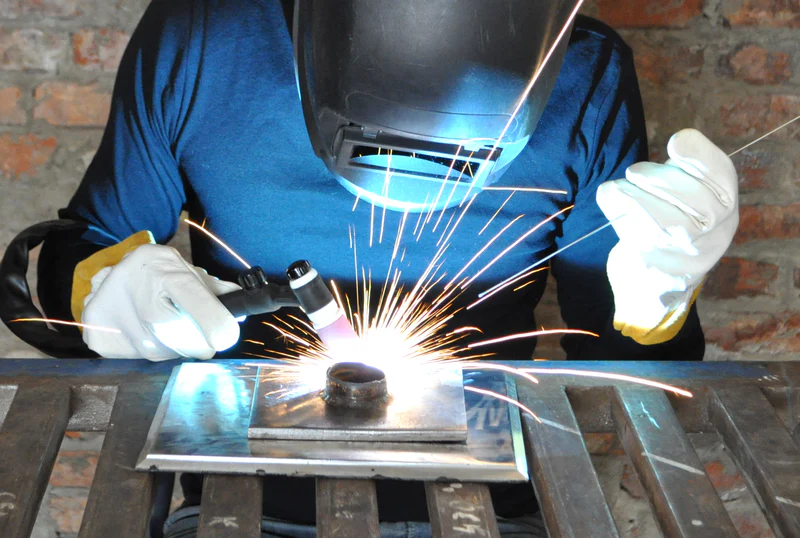
Different welding and workshop tasks call for different protection. When you’re doing TIG work or precise MIG setup, the dexterity of a shorter glove often helps. If you’re on a stick welding job or cutting and grinding heavy sections, long welding gloves provide valuable defense. For example, an experienced welder who prefers TIG often keeps a set of thin, flexible welding gloves nearby, while a stick welder might go straight to a long, heavily insulated pair. Think about the work you do most: precision tasks favor the shorter cuff; heavy, sporadic operations favor the longer cuff.
Comfort and Mobility: The Real Trade-Off
Comfort and flexibility are where the debate gets personal. A 10-inch glove is lighter and lets your wrist move freely—great for intricate TIG welds and detailed shop work. A 14-inch glove trades some mobility for extra protection; it’s bulkier, warmer, and can reduce wrist range of motion. Many experienced welders keep both styles in their kit: the short pair for cool, precise jobs and the longer pair for high-heat tasks. In hot environments, long welding gloves can trap heat, so pay attention to ventilation and liner choice. Ultimately, choosing between mobility and coverage is about matching glove length to the task and to your tolerance for bulk.
Product Recommendations
- 10-Inch Full Cowhide Leather Gloves – Gray
These 10-inch cowhide leather welding gloves strike a good balance between protection and dexterity. Lined with soft cotton for comfort, they are a solid pick for repairs, car work, and light shop tasks where you still need to feel the tool. These welding gloves are a good option for ladies, hobbyists, and any welder who values fit and movement. - Double-Layer Cowhide Leather High-Temperature Protective Gloves (14″)
If your work regularly exposes you to heavy spatter or higher heat, this double-layer, 14-inch design offers a stronger barrier. Built to handle higher temperatures and reinforced at the thumb and cuff, it’s a choice professionals will appreciate. These long welding gloves give you the extra coverage needed for stick welding, foundry jobs, and furnace tasks.
Considerations by Welding Type
- TIG: Many TIG operators prefer a shorter, thinner glove to keep fine motor control—thin welding gloves help keep a cool touch on small parts.
- MIG: MIG work often benefits from moderate cuff length with good heat resistant properties—pick welding gloves that balance dexterity and protection.
- Stick Welding: Stick jobs can generate more spatter and arc flashes—long, more insulated welding gloves are typically safer for the welder.
Heat Resistant and Material Choices
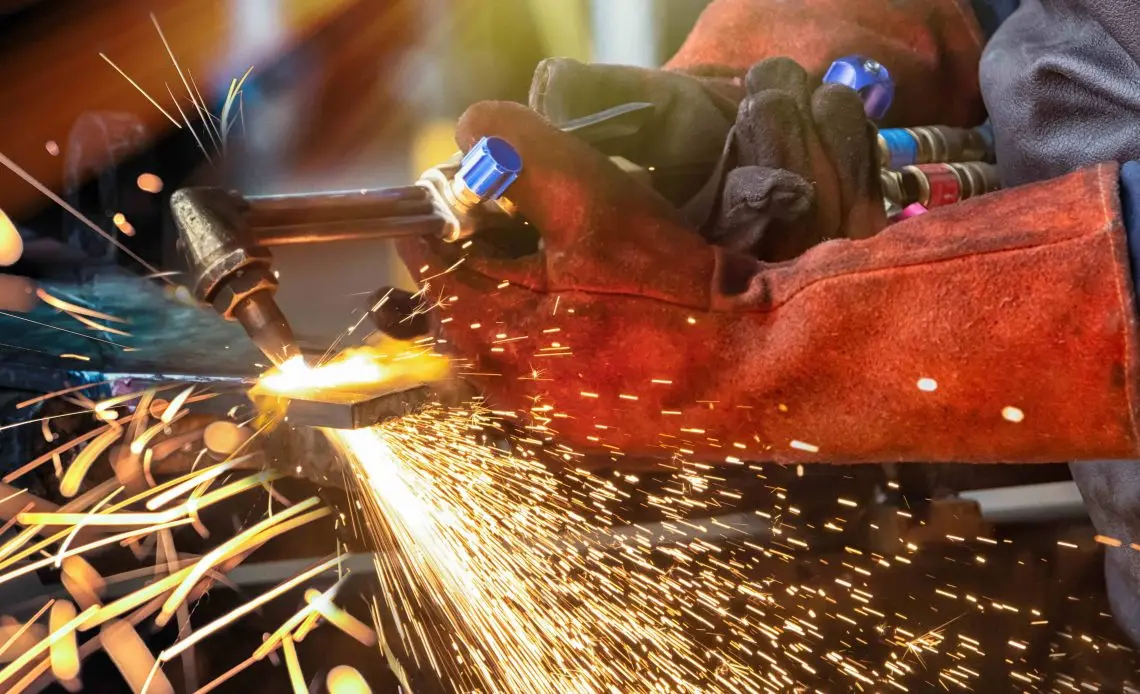
Cowhide leather remains one of the best choices for durable, heat resistant welding gloves. Quality cowhide leather resists sparks and offers reasonable cut protection. For higher heat tasks, double-layer cowhide leather or gloves with reinforced palms and Kevlar stitching give extra lifespan. Look for welding gloves advertised as heat resistant with real temperature ratings. If you’re a welder who needs a glove that stays cool longer while working hot jobs, seek models with breathable liners and proper insulation.
A Quick Matching Chart
- 10-inch welding gloves: best for TIG, precision work, auto repair, light fabrication.
- 14-inch welding gloves: best for stick welding, heavy fabrication, foundry work, BBQ or furnace duties.
Final Thoughts and Call to Action
When it comes to best welding gloves, it really comes down to your work style. The 10-inch models? Super handy for precision and staying cool during long sessions. On the other hand, the 14-inch, long gloves are unbeatable if you need serious protection and heat resistant performance. Honestly, having both types isn’t overkill—it just gives you options. Don’t forget to check the specs: cowhide leather quality, lining, and temperature ratings can make a surprising difference. Whether you’re a seasoned welder or just getting started, choosing the right pair of good welding gloves can turn a tough job into a safer, smoother experience.