
You might believe “thicker = safer.” Spoiler: it’s a comforting myth. Whether you’re flipping burgers at a BBQ, tending the fireplace, or moving hot coals while camping, the real hazards are small—a hot ember, a slipped grip, a burned wrist. This guide walks through five common mistakes home users make when buying welding gloves and shows practical, no-nonsense fixes. Expect a bit of bluntness and real-world advice—the kind that actually helps.
Mistake 1—Thicker Is Always Better? Not Really
Thickness alone doesn’t equal protection. Heavy, clunky gloves reduce dexterity; you’ll fumble tongs, drop skewers, or lose control of tools. Instead, look for balance: soft but robust leather (full-grain cowhide is a good start) with sensible padding. For most household tasks (BBQ, fireplace work), a glove that is heat resistant yet flexible is the winner. Don’t buy thickness—buy the right construction.
Mistake 2—Using Oven Mitts Instead of Welding Gloves—A Bad Shortcut
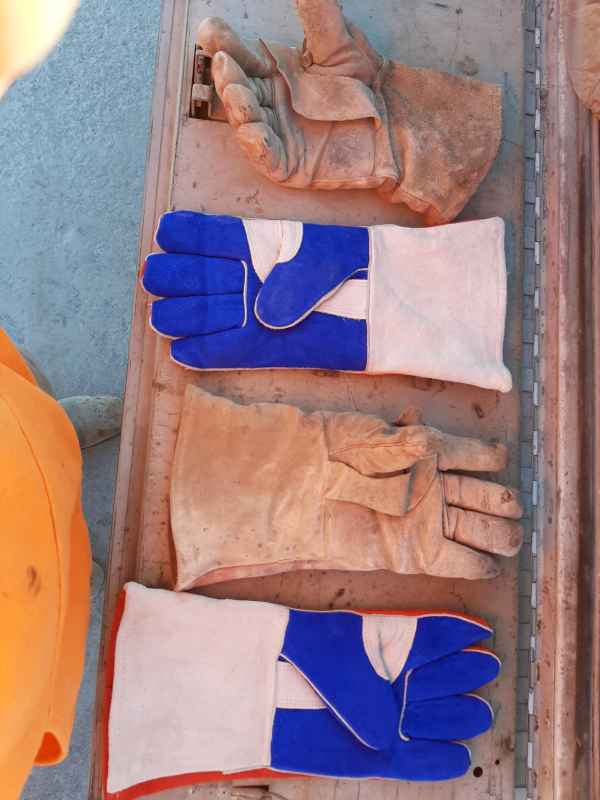
Oven mitts are designed for brief contact with hot pans. They’re not meant to handle sparks, embers, or prolonged heat exposure. Welding or welder gloves are made with fireproof leather and often have Kevlar stitching—they’re built for sparks and abrasion. If you’re using open flames, coals, or doing heavy BBQ duty, opt for proper heatproof, heat-resistant gloves. Oven mitts are cozy—welding gloves are protective.
Mistake 3—Ignoring Glove Length—Wrist Injuries Happen
Short welding gloves leave your wrists and lower forearms exposed. When sparks fly (and they will), those exposed areas get hurt first. Choose gloves that cover at least 12–14 inches of your arm for real-world protection. Long welder gloves double as a barrier against flying ash and hot debris—simple as that.
Mistake 4—Overlooking Stitching and Lining—Comfort Matters
Cheap seams melt; thin linings sweat. Both lead to worse problems: reduced durability and poor grip. Look for gloves with Kevlar stitching and an insulated, sweat-absorbing lining. That combination keeps the glove durable and the inside dry—which means better grip and less chance of blistering during longer tasks.
Mistake 5—Skipping the “Try-Grab” Test—Size Isn’t Just a Number
Don’t buy by hand length alone. Fit is about function. A glove that’s too loose slips. Too tight, and your hands cramp. Do a quick test: make a fist, pretend to grab pliers, and simulate lifting a hot pot. If you can’t do those without strain, try another size or a more flexible leather. Materials like softer cowhide or goat leather often provide better “wear-in” comfort for home use.
Conclusion & Buying Tips—Keep It Practical
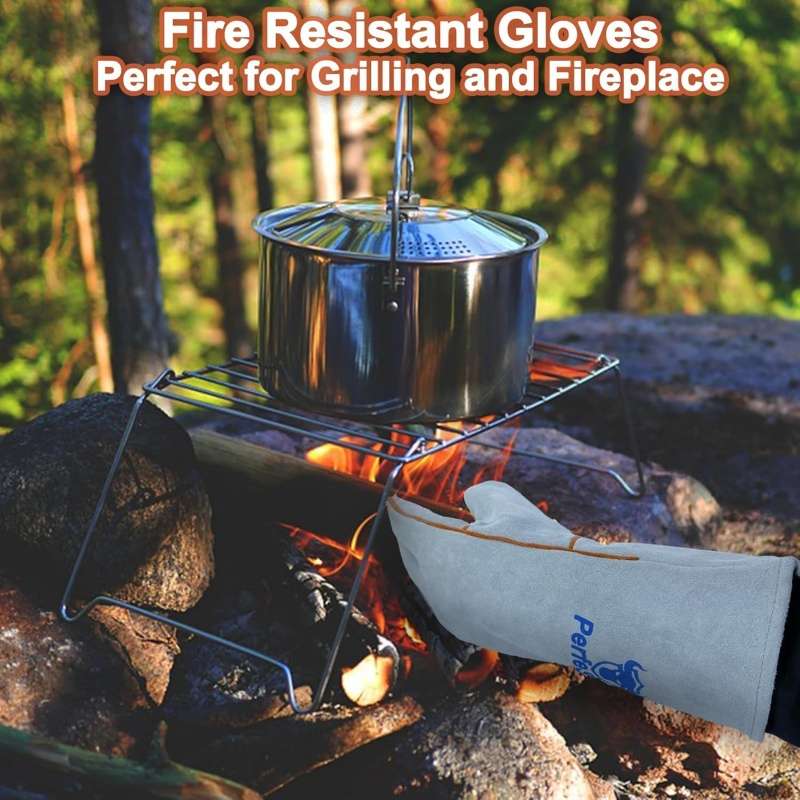
For home users, the best approach is pragmatic: choose function over specs, prioritize fit, and favor materials that combine heat resistance with flexibility. Here are two practical recommendations:
- 10- or 14-inch reinforced cowhide welding gloves—long, protective, and great for BBQ, fireplace, and general yard work.
- Double-layer cowhide heat-proof gloves—up to ~500°C rated, for heavy-duty outdoor use or occasional forging.
A cool, comfortable welding glove that fits well will keep your hands safe and let you enjoy the work—whether that’s a Sunday BBQ or a weekend project. Pick a good pair; your hands will thank you.