
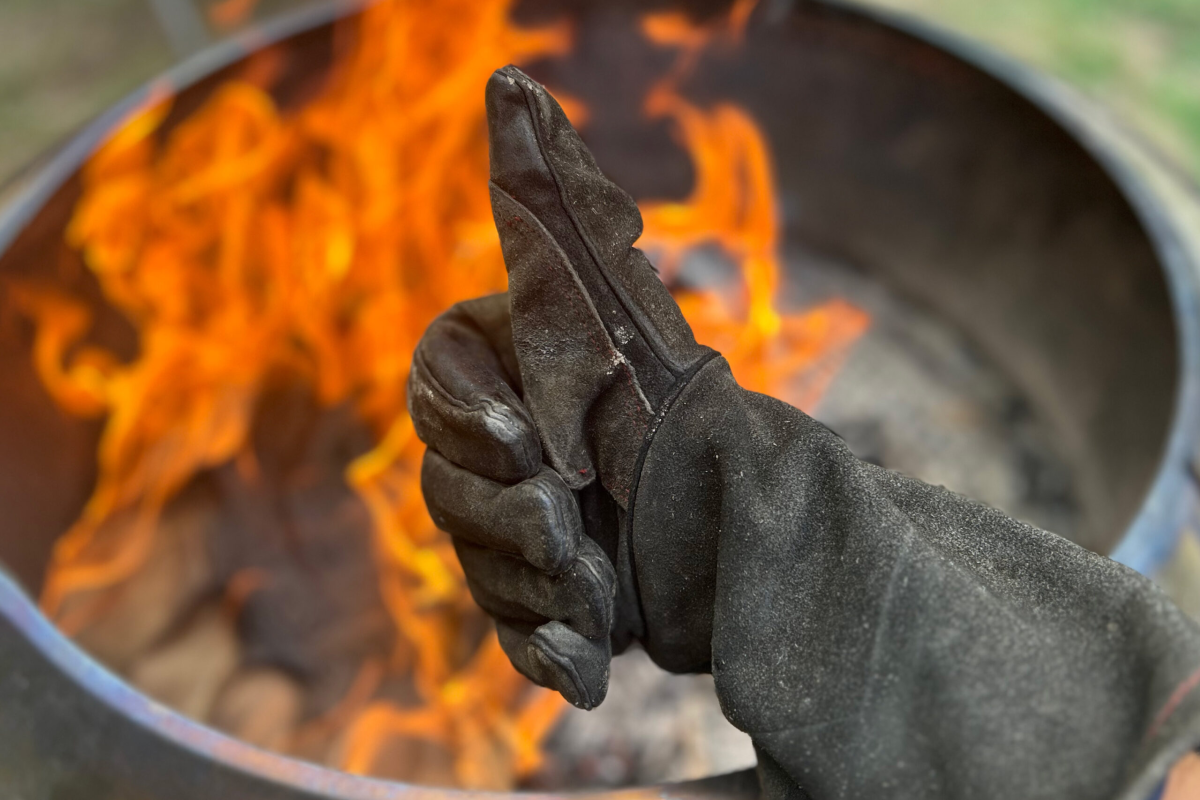
In emergencies, people improvise. A firefighter might borrow a welding glove from a neighbor. A responder might grab one to move a hot door or clear embers. This article looks at whether that instinct is sensible. Short answer: sometimes useful, but not interchangeable. I’ll explain why, with real-world notes and a few blunt warnings.
Shared Hazards, Different Solutions
Both firefighting and welding involve flames, hot metal, and sudden temperature spikes. That overlap leads to the question: could a welding glove replace a firefighting one in a pinch? The reality is nuanced. Welding gloves are built to handle sparks and short high-heat contact. Firefighting gloves are designed for sustained radiant heat, steam, and water exposure. Different jobs, different threats.
What the Materials Tell Us
Most welding gloves are made from cowhide or similar leather. Leather gives great abrasion resistance and decent heat-resistant performance for brief contact. Welders often prefer cowhide because it balances toughness and flexibility. On the other hand, firefighter gloves use layered technical fabrics that combine thermal barriers with moisture protection. Those materials aim to be heatproof and to slow heat transfer during longer exposures.
A practical point: many leather gloves are not waterproof. When water meets very hot metal, steam forms—and steam travels through materials in ways flame doesn’t. That’s one reason turnout gloves include moisture barriers.
Field Performance—What People Actually Do
In my conversations with volunteers and tradespeople, the stories are candid. A volunteer might use a welding glove to lift a hot grate or move embers—actions that take seconds. A metalworker will use a welding glove to manipulate red-hot parts at a forge. But when it comes to entering a burning structure or working in steam, professionals don’t gamble.
So: welding gloves can help with brief, deliberate tasks. They are not the right tool for structural firefighting. That distinction matters.
Pros, Plainly
Pros of welding gloves:
- Better dexterity for gripping tools.
- Durable against edges and sparks.
- Often the best quick option for short handling tasks.
When Using a Welding Glove Might Make Sense
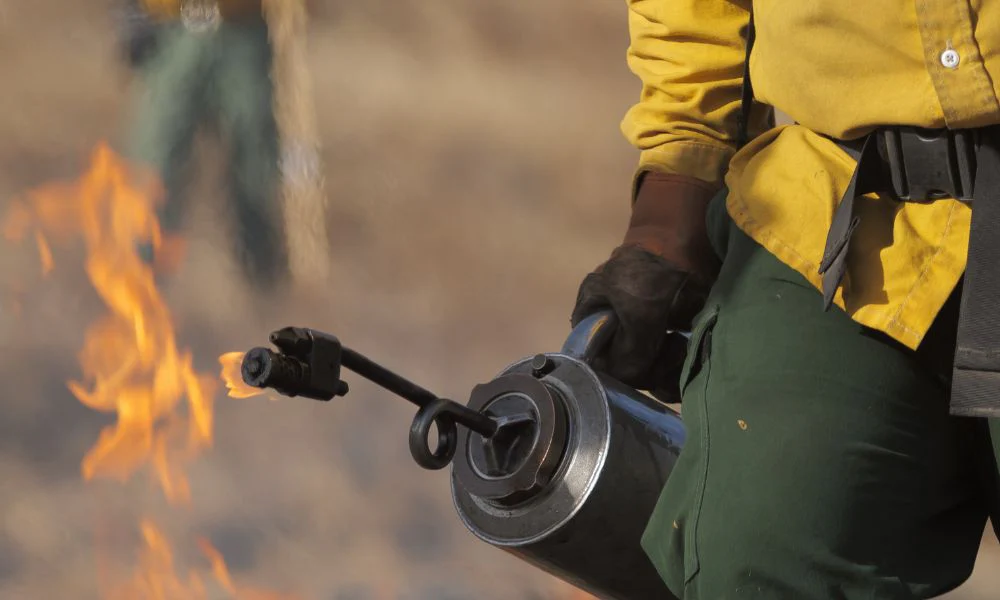
There are narrow windows where reaching for a welder glove is reasonable:
- Outdoor rescues where you must touch hot metal briefly.
- Moving ash, coals, or a hot grill part safely.
- Short-duration handling of heated tools at a roadside incident.
If you find yourself in these spots, act cautiously; the glove helps, but don’t overestimate it.
Quick Safety Checklist
If a welding glove is your only option, follow these simple rules:
- Inspect before use: tears, cracks, or thin spots are deal-breakers.
- Prefer double-layer cowhide with long cuffs.
- Avoid wet conditions and direct steam exposure.
- Limit contact to brief moves; don’t linger.
- Wear eye and face protection—hot particles can bounce.
Practical Takeaways
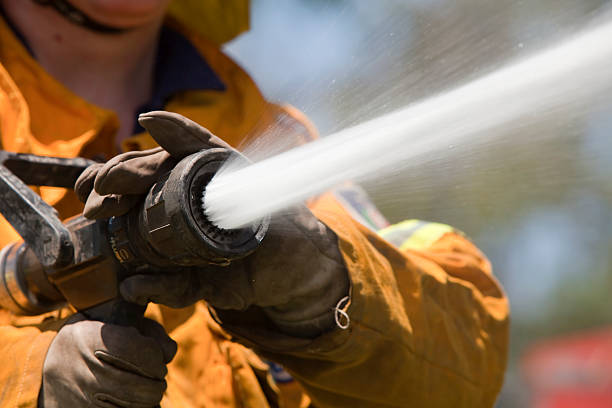
A welding glove gives heat-resistant, durable hand protection for short, hands-on tasks. It’s flexible, good for tool handling, and widely available. But it lacks the moisture barriers and multi-layer thermal engineering of firefighter gloves. So, treat these gloves as a helpful backup, not a replacement.
Closing Thought
People naturally reach for what’s at hand. A welding glove can be the small, honest tool that helps with a hot object or messy ember. It’s not designed for battle with a fully developed fire—but in everyday emergencies, it’s quietly useful. That’s a useful nuance to remember: gear isn’t one-size-fits-all. Use what matches the hazard, and if in doubt, prioritize proper protective equipment. Also—they can look kinda cool in a workshop, which is admittedly minor but human.