
You’re setting up a bead, hands hovering. The right glove makes that bead; the wrong one ruins it. Sound dramatic? Maybe. But it’s real. This piece looks at an angle people don’t talk about enough: how a welder glove is not just protection—it’s part of your toolset. It affects dexterity, heat management, and even the final quality of a weld. No hero-glove claims here—just trade-offs.
Pocket Theory: Protection vs. Precision
Think of gloves on a spectrum. On one end: thick, heavily insulated, heatproof gauntlets that laugh at sparks. On the other: slim, finger-friendly gloves that let you feel wire and torch. You can’t have both extremes at once. That friction—literally and figuratively—is where most welders live.
Tactile Feedback—The Secret Ingredient
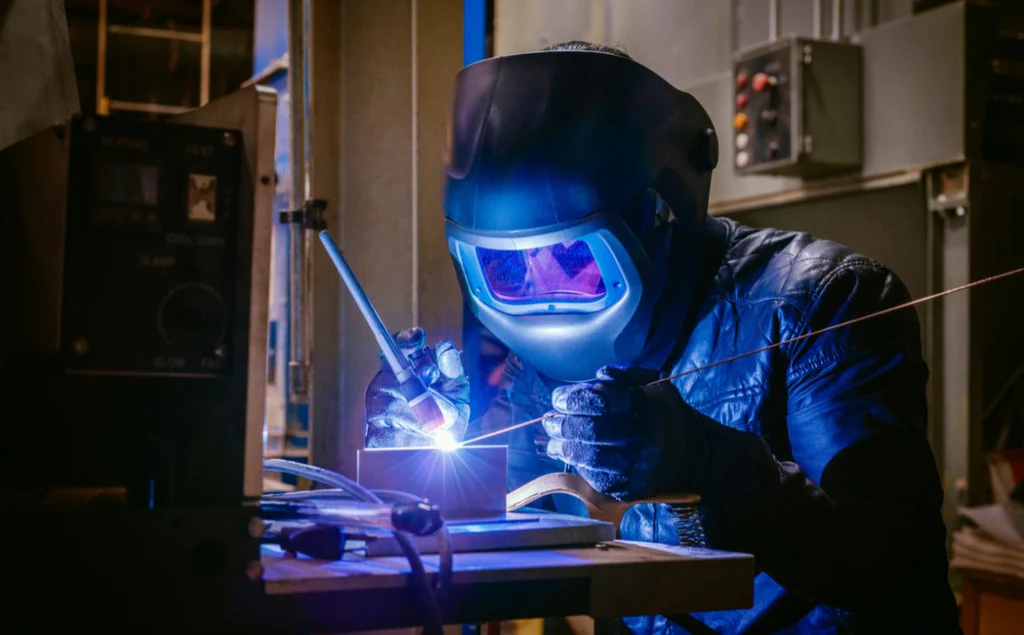
For TIG welding, fingertip feel is king. Small wrist movements, a steady filler finger, and subtle torch angle changes—those micro-actions matter. Put on a bulky TIG welding glove, and you lose that whisper of feedback. Result? More starts, more stops, an uneven bead. Which is why many TIG techs will use the thinnest protective glove they can safely get away with.
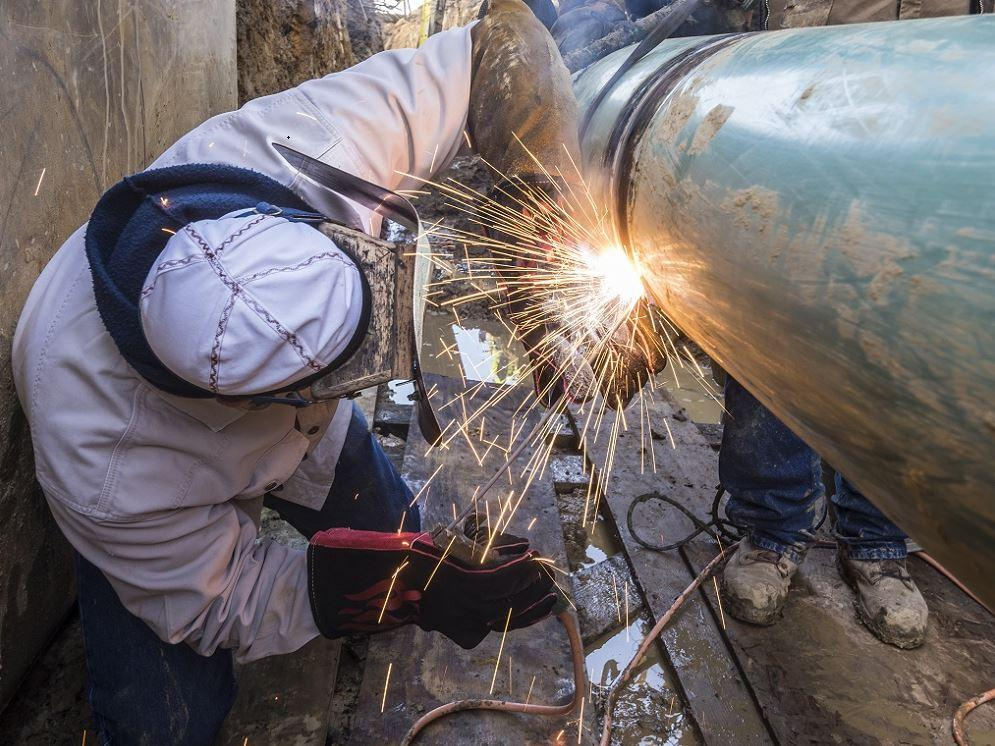
Contrast that with stick welding. Here the arc is less delicate; you want thicker protection because of slag and unpredictable sparks. A stick welding glove that’s a bit bulkier doesn’t usually hurt technique—it protects. So the process matters as much as the material.
Process-by-Process: Practical Notes
- MIG Welding: Often benefits from a medium-weight MIG welding glove. You need enough protection for spatter but not so much that you can’t feed wire smoothly. Grip, remember, is as important as heat resistance.
- TIG Welding: Favors dexterity. Many pros prefer thinner gloves or even modified fingertip cuts (not ideal for everyone). A TIG welding glove should balance feel and safety.
- Stick Welding: Go heavier. A stick welding glove that’s robust and heat resistant helps handle electrodes and slag.
Materials and Their Moods
“Cowhide” and “leather” are common words in the world of hand protection—for good reason. Leather resists abrasion, stands up to heat well, and ages in a way that can be oddly comforting (yeah, I’m sentimental about broken-in gear). But leather can be stiff at first. Break-ins matter. A rigid glove makes fine torch work clumsy; a softened glove conforms and becomes an extension of your hand.
There are trade-offs: waterproofing layers help when water and steam show up (wetness is not your friend—steam transfers heat fast), but if you slap a heavy membrane on a glove, you might ruin the feel. So sometimes “waterproof” becomes a liability for control.
How Glove Design Changes Behavior
Humans adapt fast. If your welding glove reduces sensitivity, you’ll compensate with slower movements, bigger arcs, and wider beads. That’s not always bad—for newbies, it forces caution. For masters, it’s friction. You’ll also notice different habits emerge: a certain wrist cock, a thumb tuck, and a tendency to use the shoulder instead of the wrist. Tiny shifts, but they change outcomes.
Maintenance and the “Break-In” Factor
Here’s an odd truth: a worn glove often performs better for precision than a brand-new rigid one. Oils and repeated flexing make the leather supple. Clean but not sterile—yes, that’s weird. Keep gloves dry, patch holes, and don’t let melted slag eat through the palm. Also, check seams: Kevlar-stitched seams are tougher, but if the stitching fails, dexterity doesn’t matter because the glove fails.
Safety vs. Performance—Real-World Balancing Act
You can chase the best compromise all you want, but remember: protection is non-negotiable in hazardous jobs. If you’re welding in a high-spatter job, don’t fetishize feel over safety. On the other hand, if you’re making precision TIG welds on stainless for a fabricator’s showcase, feel matters more than being able to cook marshmallows with your gloves on.
A Few Quick Practical Habits
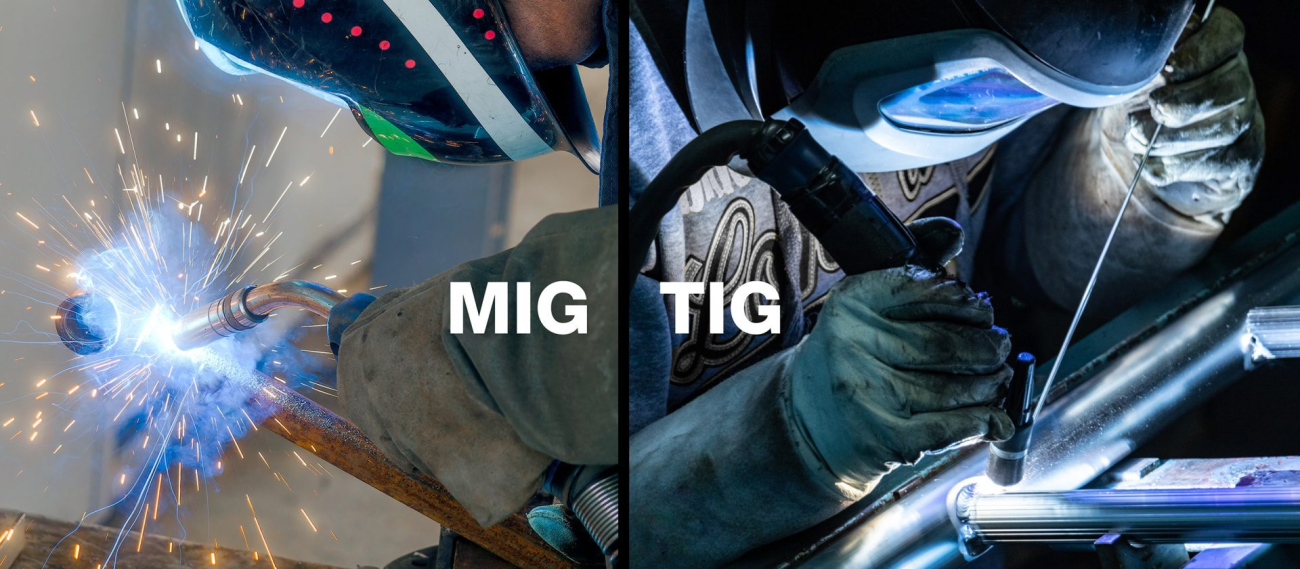
- Rotate gloves: keep a dedicated pair for TIG (thin) and another pair for MIG/stick (heavier).
- Break in new leather slowly—do small practice runs.
- If you work a BBQ or with hot cookware on weekends, that same welding glove can be handy—meat handling requires care, not arc protection, so adapt accordingly. BBQ note: leather handles heat well, but watch flare-ups.
- Don’t assume a glove labeled heat resistant is heatproof forever. Labels lie; inspection doesn’t.
Final Thoughts
There’s no universal answer. Some welders swear by an ultra-thin gauntlet for TIG; others won’t touch anything but beefy cowhide. And there are trade-offs every time. You’ll compromise on feel for safety sometimes, and other times you’ll accept a slight burn risk to achieve a delicate fillet. That’s human. It’s also why gloves aren’t just gear—they’re a practice decision.
Ready for safer, more comfortable work? Explore our leather welding gloves today!