
A pair of welding gloves sits by the forge. They’re scuffed, the seams have that tired shine, and—if you’re honest—they smell faintly of burnt metal and coffee. Weirdly, that matters. This is less about fashion and more about psychology: how a tool becomes part of identity and how that identity nudges people toward safer behavior. In other words, gloves do social work. They protect hands, yes—but they also anchor habits, pride, and group norms.
The Ritual of Gear
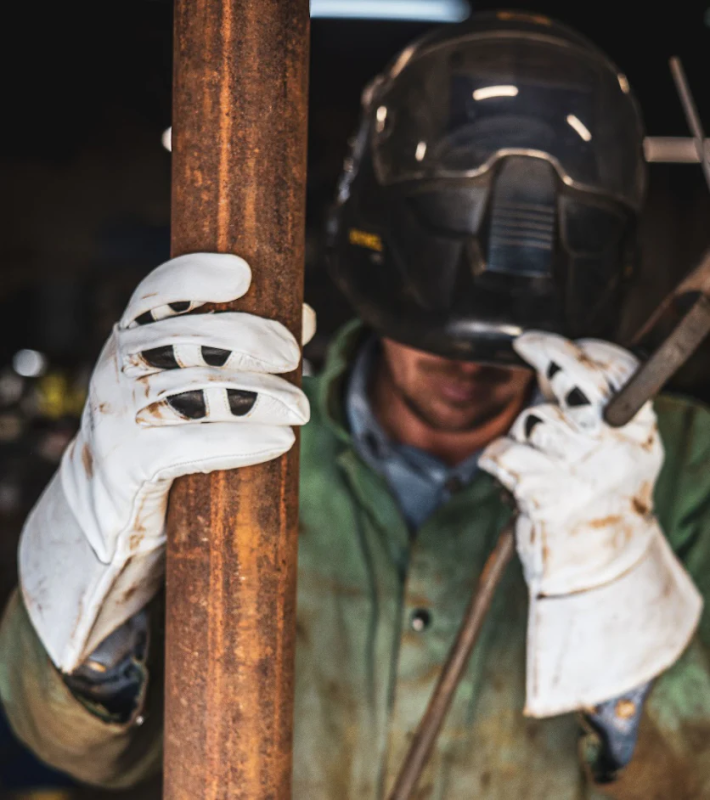
People are ritual animals. We prep our bays, we lace boots, and we glance at gauges. Putting on a welding glove is a tiny ritual—it signals “work mode.” That single act triggers mental switches: focus, caution, and attention to detail. You could say it’s Pavlovian. Maybe that sounds dramatic. Fine. It’s true.
Rituals lower the bar for consistent safety. If every shift starts with the same few moves (inspect gloves, tape fingertips if needed, don goggles), then skipping protection becomes socially awkward. Teams notice. Supervisors notice. The trick isn’t in forcing compliance; it’s in making the safe choice the path of least resistance.
Small Rituals, Big Effects
- Quick inspection: a two-second habit that catches cuts and weak seams.
- Naming or marking gloves (initials, stripes) creates personal ownership.
- Dedicated storage (hook, locker): reduces contamination and loss.
When a welding glove is “yours,” you care for it. You patch it; you don’t loan it to someone who’ll burn it up. That tiny friction—personal responsibility—reduces risk.
The Visible Badge: Color, Markings, and Social Signaling
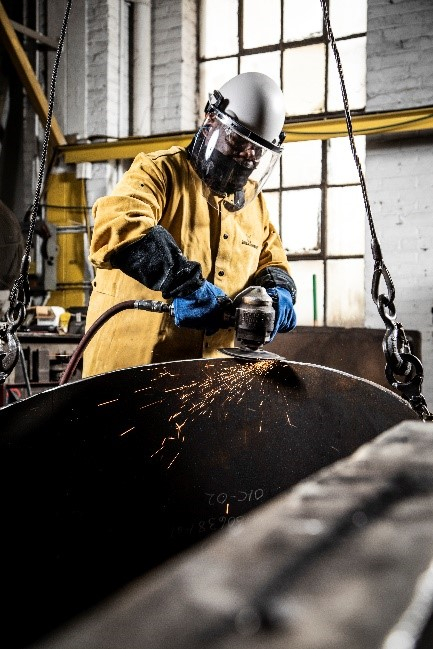
I once worked with a crew that painted a small red dot on gloves used for hot work. The dot did nothing to heat resistance, obviously. But it made roles visible. New hires knew which gloves were for torch work and which were for cleanup. People adopted the system fast. Why? Social proof. If the senior tech wears the marked pair, juniors follow.
So color and markings on welding gloves aren’t just aesthetics. They’re shorthand: task, status, and experience. Use that. But—pro tip—don’t over-design. Too many tags create clutter and confusion. Keep labels meaningful and simple.
Maintenance as Mindfulness
Repairing a glove—patching a palm, restitching a cuff—is tactile. It slows you down. It forces attention. That pause is functional; it creates reflection time about the tools and the task. I’ve seen welders who treat glove care like instrument tuning. They’ll patch a small tear rather than toss the glove. That’s thrift. It’s also safety.
A worn welding glove can feel like armor until it doesn’t. Holes hide in seams. Heat channels develop in predictable spots. Regular checks (weekly for heavy users) catch problems early. Teach crews to take two minutes at shift end: check, mark, repair, and store. That ritual compounds.
Want to make your welding gloves more durable and comfortable? 👉 [Check out our Complete Guide to Welding Glove Care.]
Practical Steps to Build Glove Ownership Culture
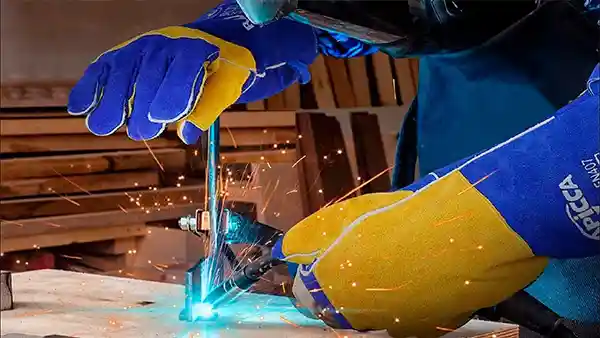
- Personalize without compromising—initials, small color tabs. Not reflective tape that melts.
- Create a “glove station”—hooks”, sanitizer, and inspection cards. Visible. Easy.
- Set a simple inspection script—tear, seam, smell (smell can indicate chemical contamination). Tick the card.
- Rotate pairs—keep one set for precision work and another for heavy spatter. Rotate so all gloves age evenly.
- Teach tiny repairs—a basic needle and thread kit goes further than you think. Kevlar thread if possible.
- Share stories—quick near-miss debriefs where someone credits a glove with preventing injury. Story beats stick.
Implementing these raises the status of the welding gloves in people’s minds. They stop being disposable liabilities and become tools to respect.
A Short, Messy Truth
Not every workplace will have time for ceremonies. Fair. But even minimal changes—a hook, initials, a two-second check—shift outcomes. It’s human nature: when something is ours, we protect it. When we protect it, we protect ourselves.
So next time you toss a pair of welding gloves on the bench, don’t shrug. That small ritual buys time, focus, and a little dignity. It’s not a magic bullet. Just a practical, slightly sentimental nudge toward safer work. And honestly? That’s enough to change a lot of shifts.