
A well-fitting welding glove does more than keep you from burning your knuckles. It shapes how you move, how long you can work, and even whether you wake up with numb fingers. Weird, right? People focus on heat ratings and leather type—fair—but ergonomics quietly runs the show. This piece digs into that overlooked side: how welding gloves can protect and, if poorly chosen, silently harm your hands.
Why Ergonomics Matters
- Protection vs. performance is not a zero-sum game—but it can feel like one.
- An awkward welding glove changes posture, increases grip force, and spikes fatigue.
- Over months and years, poor fit contributes to tendon strain, nerve irritation, and bad habits.
Okay—so what exactly happens? Read on.
The Subtle Mechanics—What a Glove Actually Does to Your Hand
When you slide your hand into a welding glove, three things change simultaneously:
- Sensation. Leather and liners mute tactile feedback. You stop feeling micro-vibrations and subtle edges.
- Range of Motion. Thick palms or stiff seams limit finger curl. That forces compensations up the chain—wrist, elbow, and shoulder.
- Grip Strategy. To make up for lost feel, you squeeze harder. Squeezing equals fatigue. Fast.
These are small shifts. Small, repeated thousands of times. That’s how injuries creep in.
Common Ergonomic Problems Tied to Gloves
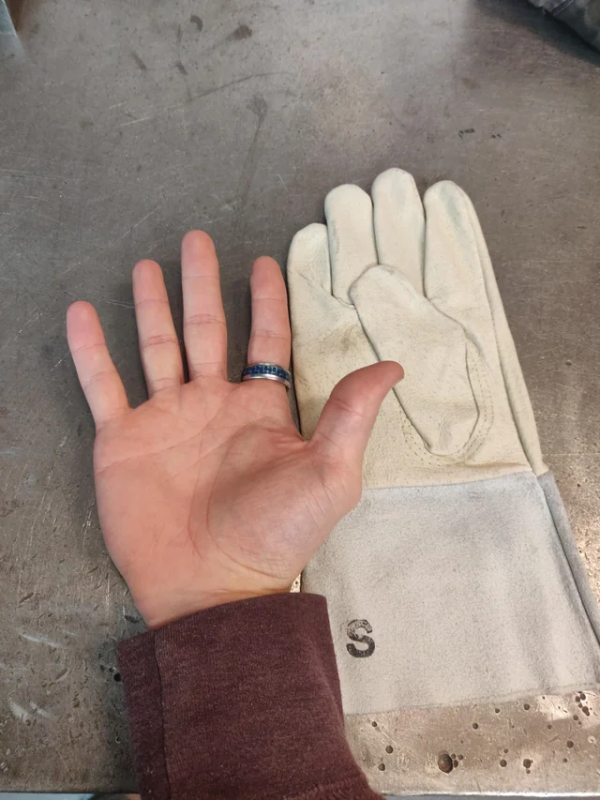
- Too Large: Causes bunching in the palm, which reduces control and forces more grip pressure.
- Too Stiff: New leather is stiff. If you never break it in, you’ll recruit shoulder muscles for what should be a wrist task.
- Poor Cuff Design: Short cuffs let sparks wiggle up the sleeve; overly long cuffs bunch and trip. Both matter.
- Misplaced Padding: Thick padding where you need flexibility (like the thumb web) is a bad trade.
Signs Your Welding Gloves Are Sabotaging Your Hands
If you see any of the following, consider the glove as a suspect:
- Morning stiffness in the fingers.
- Numbness or tingling after a shift.
- New blisters or calluses in odd spots.
- Noticeable decline in fine work after long hours.
These symptoms are not dramatic—at first. That’s why they’re easy to ignore. Don’t.
Practical Checklist—How to Choose for Ergonomics (Not Just Heat)
Use this when you’re trying on gloves. Quick, no-nonsense.
- Fit Test: With the glove on, pick up a coin, then a small wrench. Can you feel both? If not, try a smaller or different cut.
- Flex Test: Make a fist repeatedly. Does the glove resist? If yes, it will tire you.
- Seam Placement: Seams should not cross the tips of fingers or the main flex points.
- Weight Check: Heavier isn’t always safer for short tasks. Balance weight vs. task duration.
- Cuff Balance: Enough coverage for forearm sparks, but not so long that it folds over and impedes movement.
This list helps you think ergonomics first, flame resistance second (flame resistance is crucial—but so is staying useful).
Materials and Micro-Effects
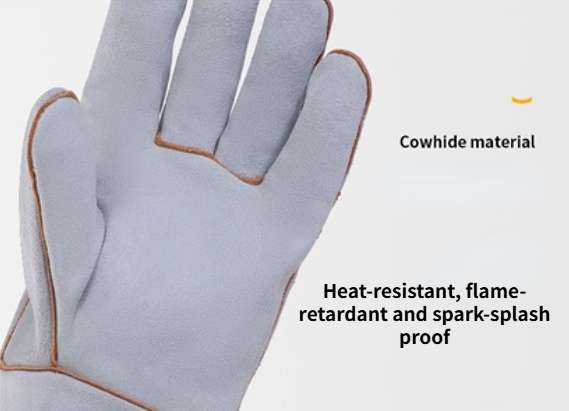
- Cowhide stiffens less with heat; it’s great for abrasion but may be rigid initially.
- Thinner leathers give feedback but lower abrasion resistance.
- Liners that wick sweat reduce slippage and therefore reduce extra grip force.
Each material nudges behavior. Know the nudge before you commit.
Daily Habits That Preserve Hand Health
- Rotate glove pairs across the week. Let leather rest and dry.
- Do three-minute wrist-and-finger mobility sets before and after shifts. (Seriously.)
- Inspect seams daily. Replace or repair early—holes shift pressure points fast.
- If you feel tingling, back off. Rest beats heroics.
A brief routine prevents long downtime later. That is economics and common sense.
Micro-Adjustments on the Job—Tricks from Experienced Hands
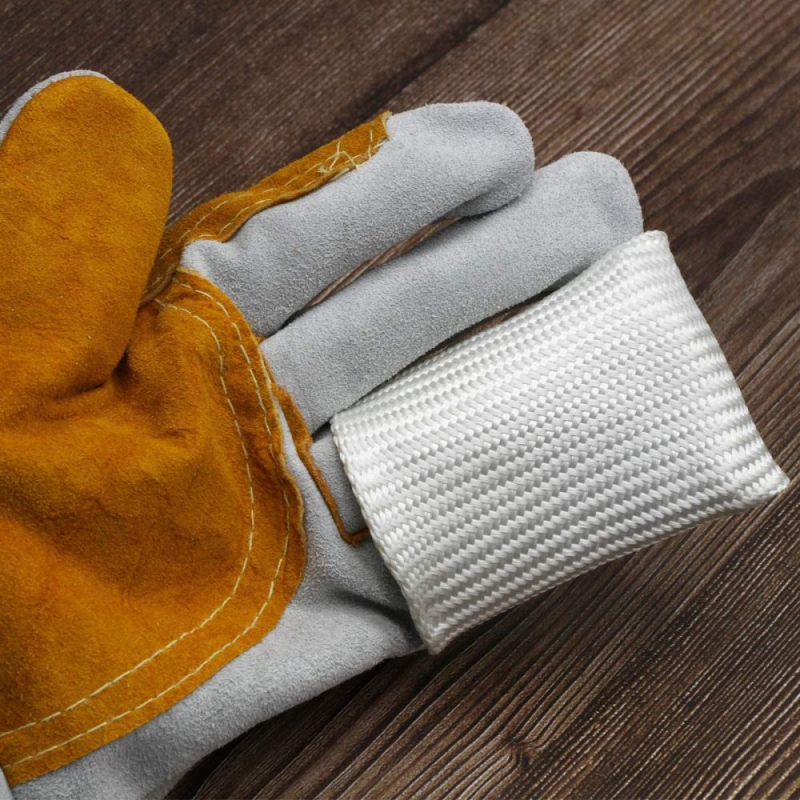
- Tape a small leather shim across a high-wear spot instead of changing the whole glove mid-shift. Quick and dirty.
- Use fingertip cut-modding only where safe—some welders trim a bit of material to regain feel for TIG tasks (risky; know what you’re doing).
- Slightly chunkier gloves for grinding, slimmer for precision tack welding. Matching the glove to the micro-task reduces strain.
These are the sorts of tiny, human hacks that reduce cumulative harm. They’re not dramatic. They work.
Conclusion—Keep Your Hands Long-Term, Not Just Today
A good welding glove protects now and preserves function later. That’s the real win. If you care about staying nimble, productive, and pain-free, treat glove choice like ergonomics, not just armor. Try, test, tweak. Your hands will thank you. Maybe not immediately—but eventually. That’s the point.
Gear Up for Safety and Precision—Explore Welding Gloves Today!