
We talk about helmets, boots, and air—rarely about the hands. Yet hands are the first line of negotiation with heat, metal, and error. A welding glove is not merely protective gear; it’s a conversation between skin and hazard. It tells you what your job asks of you, sometimes before your brain catches up. If you want small, human truths that matter on the shop floor and at the backyard forge, read on.
Haptic Intelligence: Learning from the Glove
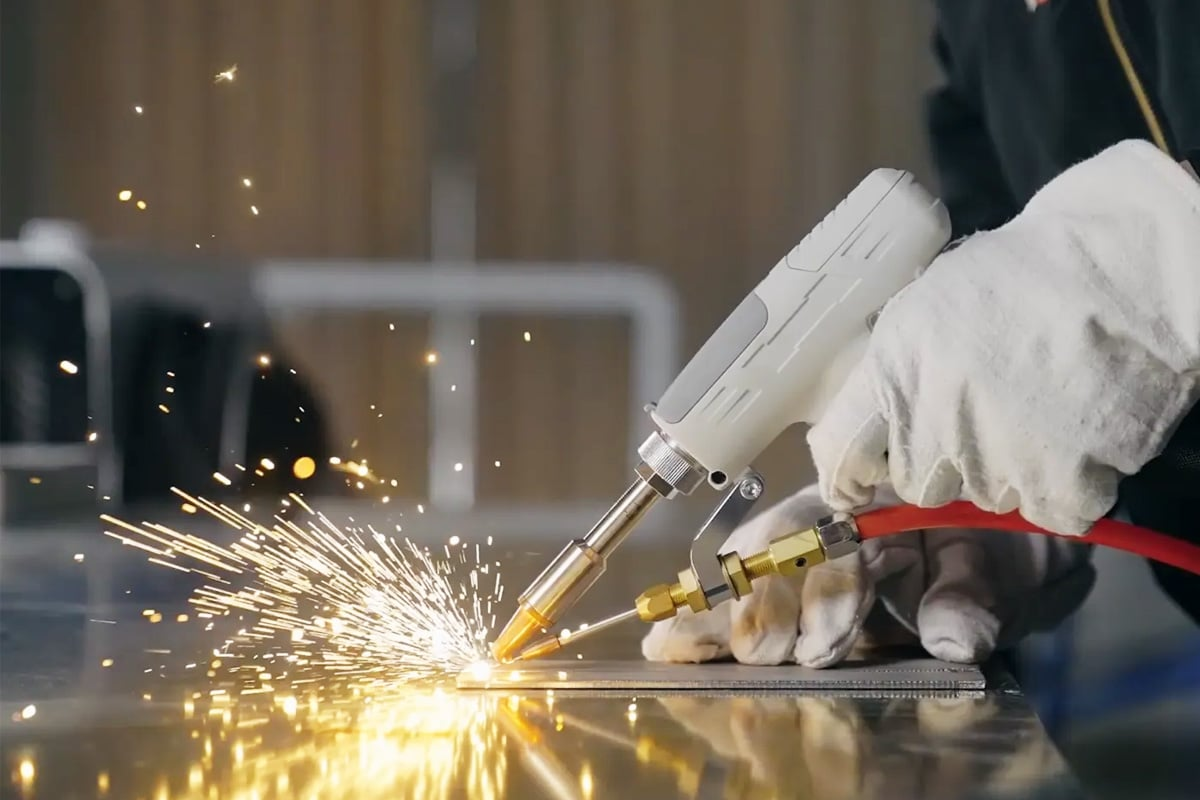
Hands Remember More Than Eyes Do
Slip on a welding glove, and something changes. You lose finger sensitivity but gain confidence. That mismatch forces your brain to remap movement. You start to rely on posture, on the angle of approach, and on the weight of the tool—not just on sight. It is crude but powerful training: the glove teaches patience.
A Calibration Ritual
Before real work begins, an experienced pair of hands performs a tiny checklist almost ritualistic in nature: flex the wrist, test a pinch grip, tap a hot surface at arm’s length. These micro-tests calibrate risk. They are informal, yes—but they keep people safe. The glove is a coach that speaks through resistance and gives.
The Economics of Care: Maintenance as a Craft
It’s funny—people will fuss over a machine but neglect the small things that touch them directly. A welding glove that’s repaired, cleaned, and inspected is an instrument of care. On a micro level, maintenance becomes a form of respect: for the tool, for the job, and for the person who will use the hands tomorrow.
- Patch a seam; you restore confidence.
- Replace a frayed cuff; you save a day of pain.
Small acts, cumulatively huge.
Social Signals: The Glove in the Community
The kind of glove someone wears communicates. Not loudly—subtle cues: a fresh, well-kept glove suggests discipline. A scarred, patched glove says experience (and maybe stubbornness). In workshops, gloves function as badges. They reveal tenure, pride, and even personality. You can read a bit about a person by the way their gloves are stored: hanging neatly or stuffed in a toolbox like a secret.
Error as Information: When the Glove Fails
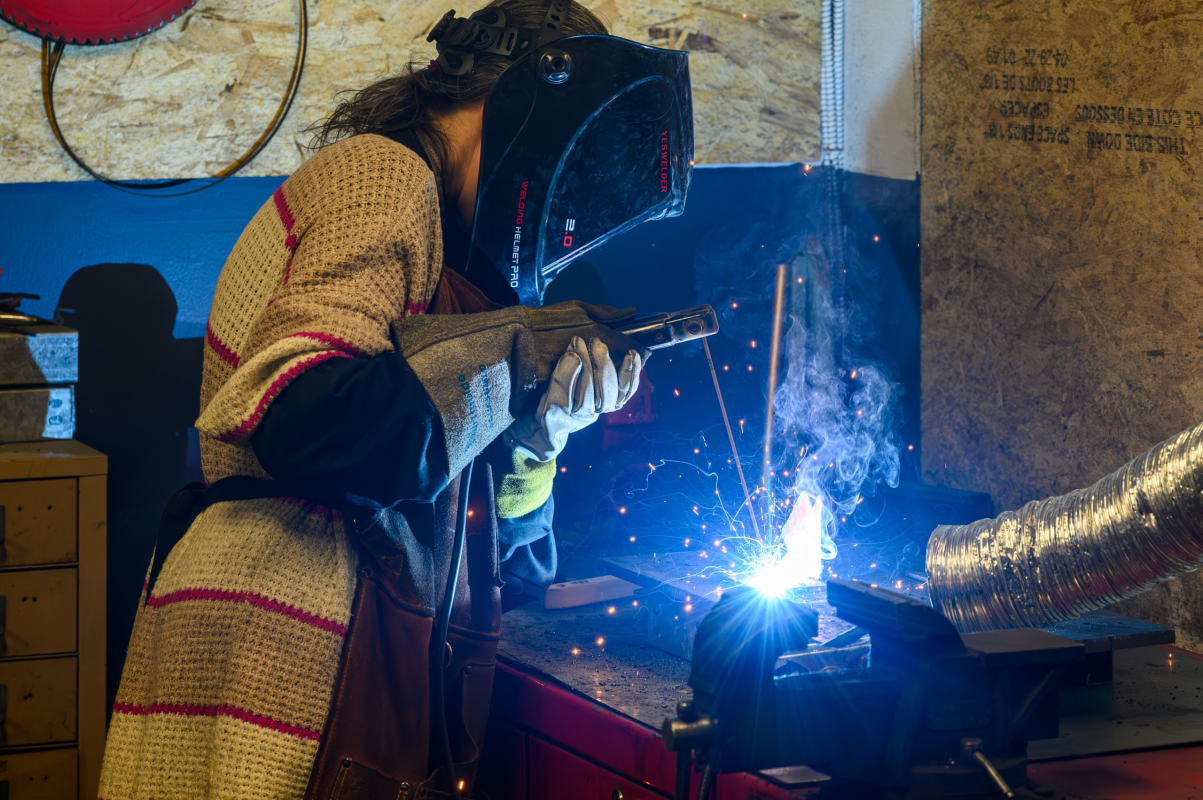
Failures happen. A singed cuff, a sudden blister—these incidents are data. They teach faster than manuals. After an incident, teams talk differently: “Don’t hold it that way,” “Move with two hands,” “Watch the rebound.” The glove’s failure forces adaptation. It’s crude learning, sometimes painful, but effective.
There’s a humility to it. Hands that once felt invincible recalibrate. And the workshop—if it’s a good one—learns with them.
Rituals of Slowing Down: Speed Versus Safety
Modern work often valorizes speed. Yet, when heat is involved, slowing down is a skill. Wearing a welding glove cultivates that habit: you cut a motion short, you steady your body, and you breathe. Slowness becomes a deliberate technique rather than a hindrance. It’s not about moving like an old man; it’s about precision. Oddly satisfying, too.
Cross-Training the Hands: Surprising Transfers
What’s learned with hot metal sometimes improves other crafts. The steady hand developed while handling a torch helps with woodworking, with pottery, and even with fixing a leaky pipe. The glove fosters an economy of movement: conserve, steady, adjust. That economy pays dividends elsewhere. Skills translate. Weird, but true.
Small Moral Decisions: Choosing Protection When No Rule Forces It
Often there’s no checklist, no supervisor. You decide. Wear the glove or not? Do the quick grab? That tiny choice is a moral microcosm: care for self versus short-term convenience. Over time, small choices compound. People who habitually choose protection make fewer stops at the emergency room. Unromantic, but consequential.
Bring Thoughtful Protection into Your Own Workshop
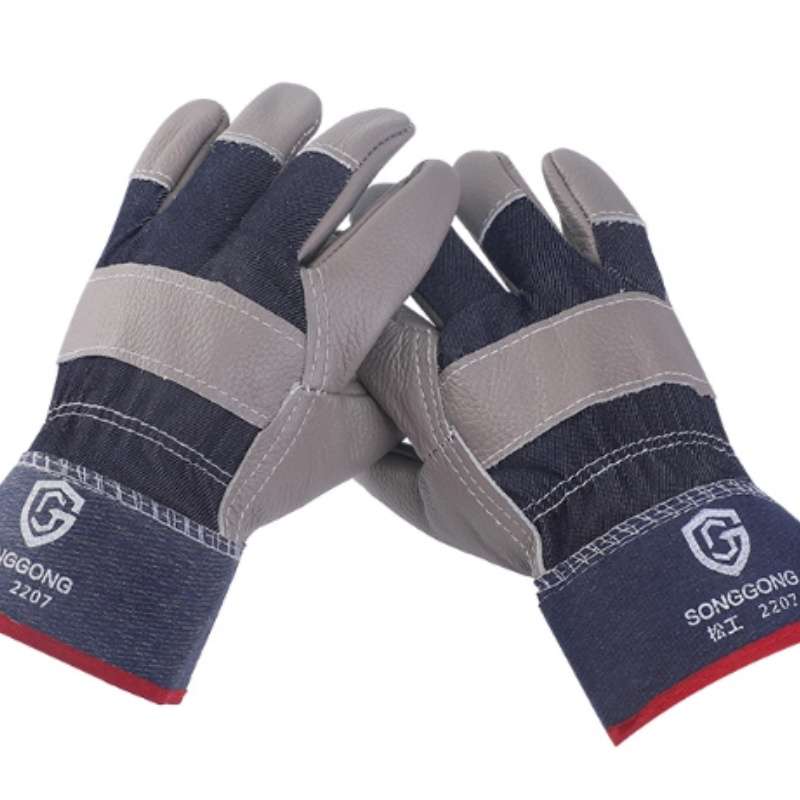
If this piece spoke to you—about care, patience, and the quiet intelligence of good tools—then Fire-Resistant & Heat-Resistant Gloves belongs in your hands. It isn’t just another welding glove; it’s built around the same principles the article celebrates: attention, durability, and respect for craft.
Each pair of fire-resistant & heat-resistant gloves is made from heat-resistant leather that balances protection with tactility. The interior lining absorbs sweat without dulling your sense of grip. Reinforced seams and flexible cuffs let you move naturally while keeping burns, sparks, and abrasion at bay. In short, it’s a design that doesn’t shout “safety gear”—it feels like an extension of the hand you trust to do real work.
Conclusion: The Glove as a Teacher, Not Just a Tool
A welding glove is quiet wisdom you wear. It shapes behavior, encodes lessons about caution, and signals belonging. It converts invisible hazards into manageable tasks and, in doing so, trains attention. Next time you—or someone you know—pull on a glove, notice the small rituals that follow. The gloves are saying something. Listen.
Fire-Resistant & Heat-Resistant Gloves—Protection You Can Feel, Wisdom You Can Wear.