
I used to think gloves were binary: on or off. Turns out that’s lazy thinking. A welding glove does more than block heat. It alters rhythm, posture, and even how you think about the bead. This matters whether you’re doing a delicate TIG pass, a fast MIG seam, or slapping welds with a stick. In short: the right welding gloves (and the wrong ones) rewrite your motor program. Odd, huh? But true.
Why Fit Matters—Micro-Ergonomics of the Hand
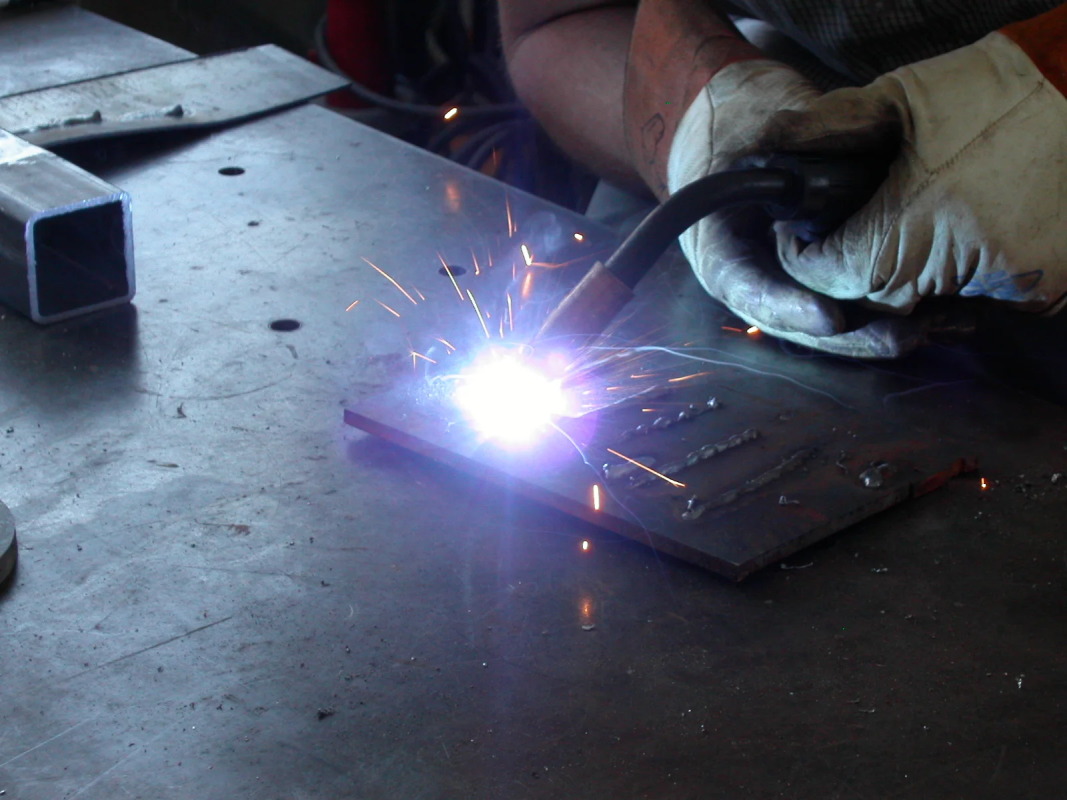
A glove is a second skin—but not a perfect one. When a welding glove fits poorly, your fingers compensate: you curl more, you grip harder, and you lose fine control. For TIG work, where fingertip precision matters, that’s an issue. For MIG and stick, where heat and spatter are the enemy, a looser fit may be acceptable. Still, fit impacts fatigue and accuracy across the board.
- Tight glove → more control, less airflow, quicker sweat.
- Loose glove → more movement, risk of snagging, slower tactile feedback.
So the first question when you put on welding gloves is, where are your fingertips relative to the seams? That tiny gap can change a bead.
Process-by-Process: Small Changes That Make a Big Difference
TIG—Precision and Patience
TIG demands subtlety. You feed filler with one hand and steady the torch with the other. A thick welding glove bluntly reduces fingertip sensitivity. You compensate with larger, less precise movements. Outcome: a wider heat-affected zone, or—if you rush—porosity.
Use gloves that preserve wrist flexibility and minimize seam bulk at the thumb and index finger. Practice micro-movements with gloves on. It feels awkward at first. Keep at it. The brain adapts.
MIG—Speed and Stability
MIG welding favors steady hands over fine pinch grips. Here, a welding glove that offers wrist support and impact resistance helps. You’ll trade a bit of finesse for consistency. Also, because MIG often involves higher spatter, heat-resistant material in critical areas matters more than absolute fingertip feel.
When running long seams, glove breathability shows up in the last 10 minutes of a shift. Damp hands = slippage. That’s a real thing.
Stick—Brute Force and Bursts
Stick welding is rough. Sparks, splashes, and a lot of arm strength. Welder gloves used here can be thicker and longer and still be “good.” The goal is protection and endurance. But don’t let thickness make you sloppy—maintain the tap-test ritual (tap the stick, feel the rebound) even when you’re encased in leather.
Material and Seam Design—Why Leather Still Wins Many Days
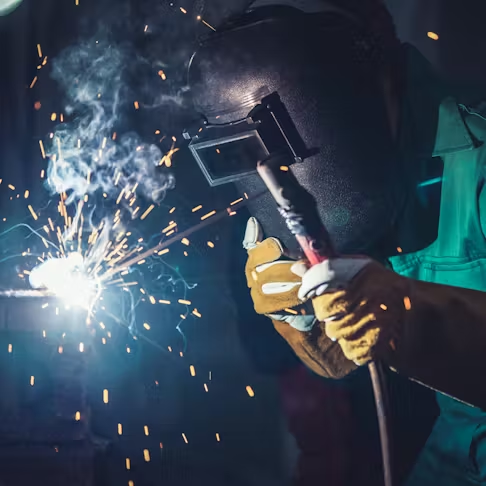
Leather has a stubborn advantage: it handles abrasion and heat in a way synthetics often don’t. A welding glove with well-placed seams reduces hot spots and improves flexibility. Kevlar or heavy stitching is fine, but seam placement is the subtle hero. A seam across a knuckle? Annoying. A seam running along the side? Better.
In addition, the leather breathes. That helps with sweat and grip. If you want to cut down on mid-shift slips, that small difference matters.
Rituals That Restore Feedback
Because gloves mute touch, welders invent rituals to bring back information. These are short, practical, human things—do them out loud if you must.
- Tap the metal with the cuff, and wait half a beat.
- Check the weld puddle from a slightly different angle.
- Pause after a long run and flex your fingers.
Not glamorous. But rituals compensate for the sensory lag a welding glove creates. They keep quality consistent.
Fatigue, Heat, and the Small Economics of Comfort
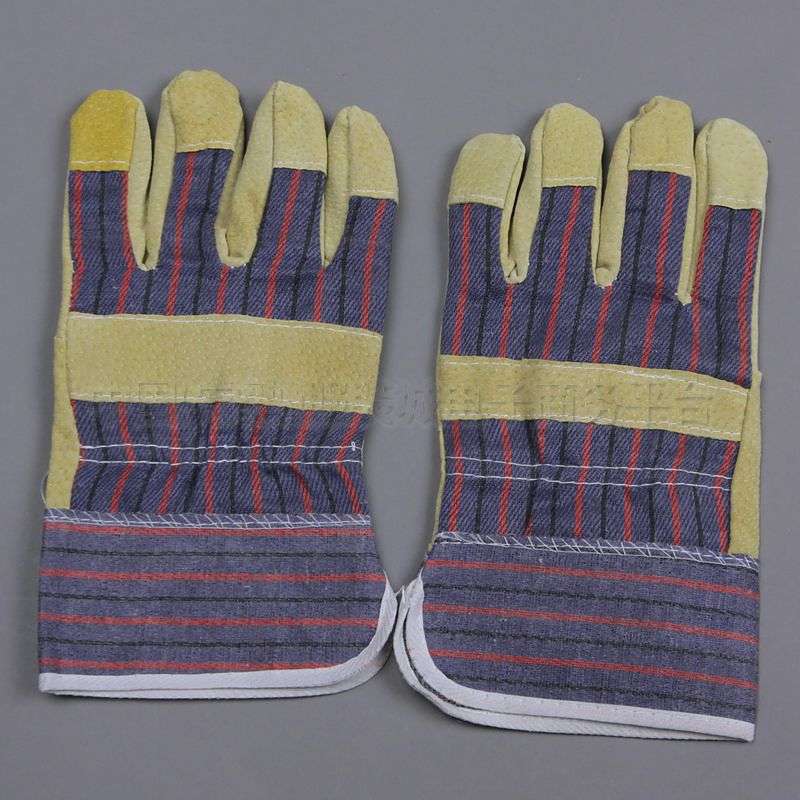
Comfort isn’t indulgent. It’s economic. Better-fitting welding gloves reduce micro-adjustments and thus muscle fatigue. Over an eight-hour day, that’s fewer sloppy welds. Also: heat builds up. When your hands are hot and tired, you accept worse tolerances. So, spending a minute to choose appropriate gloves (yes, that choice) can save hours of rework.
Experience how a pair of 24 cm Welding Protective Leather Gloves transforms your technique across TIG, MIG, and stick. Their flexible grip lets you feel every movement for TIG precision, while the durable, heat-resistant material keeps you steady through intense MIG and stick sessions. High visibility, long wrist coverage, and reusable protection mean fewer distractions and more control.
Three Practical Checks Before You Start a Shift
No product talk. Just checks you can do in 30 seconds:
- Fingertip position: fingers should reach the pad, not the seam.
- Wrist mobility: can you bend your wrist to mimic the weld angle?
- Cuff coverage: does the cuff overlap your jacket to prevent sparks from sliding in?
These mini-tests catch most ergonomic mishaps before they begin.
A Short, Candid Wrap
A welding glove is not decoration. It’s an active piece of technique. It nudges how you hold tools, where you look, and how long you dare stay close to heat. One glove doesn’t rule all—TIG, MIG, and stick each ask different things—and the best workers learn to change habits with the glove, not fight it.
Master Every Weld with the Right Touch! Get the welding gloves that make your welds smoother, safer, and stronger—every time.