
Small spaces change everything. You don’t have acres of yard; you have a balcony, a garage bay, or a corner of the kitchen. That means when heat, hot metal, and sparks enter the picture, your choices about tools, routines, and especially welding gloves matter more than they would at a sprawling workshop. This guide explains practical, realistic steps for urban makers who want to weld, grind, or grill without angering the neighbors—and without losing fingers.
The Urban Constraint—Why Welding Gloves Are One of Several Critical Controls
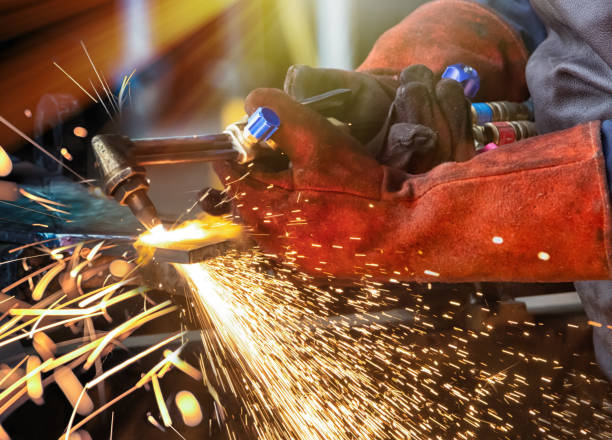
In big shops you can rely on distance: more room, bigger exhaust systems, and dedicated metal benches. In apartments, you rely on rules, timing, and gear. Welding gloves are important, but they are part of a layered approach: ventilation, fire containment, work timing, and tool selection. Don’t fetishize a single item—but also don’t underplay gloves. They are the last line between hot metal and skin.
Choose Gloves with Urban Realities in Mind
Not all welding gloves make sense in cramped setups. You want protection, yes, but also control, breathability, and quick don/doff behavior.
Dexterity Matters
For small bench tasks, a half-leather welding gloves style gives better grip and reduces accidental slips that scatter hot metal in tight spaces.
Visibility Helps
Bright-colored pairs like 24 cm Yellow Welding Gloves stand out in clutter; guests or roommates can see them and avoid your bench. Small but handy.
Heat Resistance Where You Need It
If you occasionally handle red-hot bits, have a double-layer cowhide or a fully reinforced model at the ready—but keep it for that moment and swap out quickly to a lighter pair for tool work.
Two pairs of welding gloves: one lightweight and flexible, the other highly protective. This is sufficient for most urban workflows and reduces errors.
Workflow Design: Sequences That Limit Risk
The trick is sequencing. Here’s a practical pattern that fits apartment or shared-space work:
- Stage 1—Prep Zone: clean bench, small parts laid out. Work with tools while wearing lighter welding gloves to keep grip.
- Stage 2—Hot Zone: use heavier welding gloves only for direct contact with hot metal. Limit exposure to seconds. Move parts to a cooling tray immediately.
- Stage 3—Clean Zone: after cooling, switch back to the lighter pair for cleanup and finishing.
This staged swap reduces the time heavy, heat-trapping gloves stay on—lowering sweat and loss of tactile feedback, both of which cause errors in tight spaces.
Ventilation & Containment—Don’t Make Gloves Do the Impossible
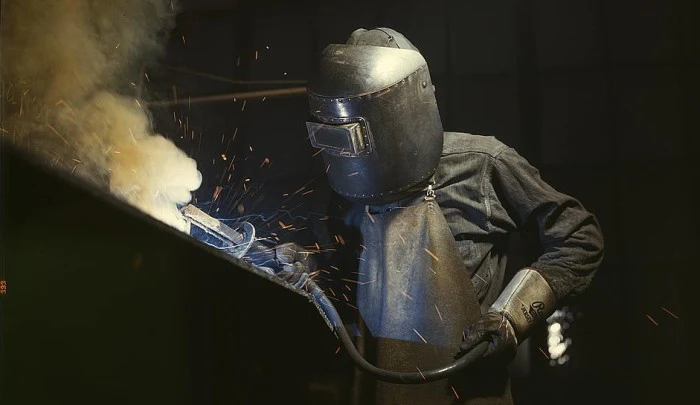
A lot of urban makers hope gear can fix air problems. It can’t. Use a desktop fume extractor or position a box fan pulling air to a window. Contain sparks: a metal firepan, ceramic tile, or an old cast-iron tray will catch spatter. Welding gloves can protect your hands, but they can’t stop embers from setting a nearby curtain on fire. So: control the environment first, then rely on gloves.
Timing & Social Considerations—Pick Your Hour Wisely
Noise and smoke are not neighbor-friendly. Schedule hot tasks during the daytime, and tell housemates when you’ll be working. Keep a designated, visible pair of welding gloves for guests or helpers—that small courtesy avoids calls to building managers. Also, do quick checks of smoke detectors before you start; a false alarm is an avoidable headache.
Quick Checks for Glove Readiness
Before you start any urban job, do this micro-check:
- Seams intact? Tug at the thumb and index.
- Fit? Fingers touch pads, not seams.
- Liner smells damp? If damp, dry or swap—damp liners reduce grip and increase skin maceration.
- Cuff overlap? Make sure the jacket or long sleeve meets the glove cuff—gap protection is important in tight spaces.
These small checks catch many problems that become big in constrained environments.
The Best Welding Gloves—How to Slot Them in Your Setup
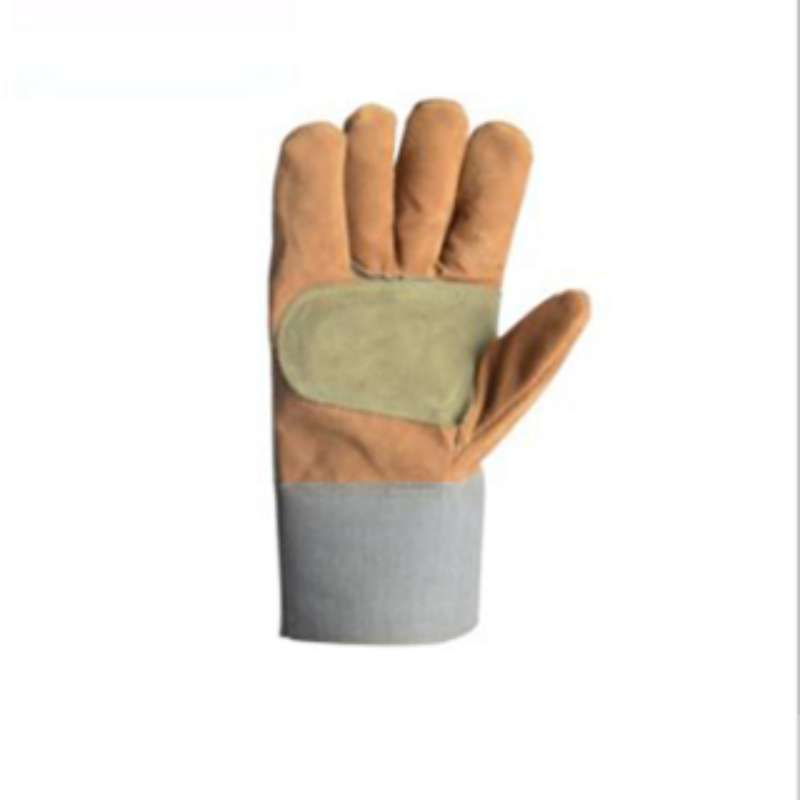
Pick one nimble pair and one heavy pair from BuyWeldingGloves. For example:
- Half Leather/Leather Palm Gloves—keep them by the bench for precision tool work and quick handling. They’re good for workshop-to-finish tasks where control matters.
- 24 cm Yellow Welding Gloves—use these as a visible heavy-handling pair for quick hot grabs and for offering to guests who help with the grill or move hot grates.
Limit yourself to two go-to pairs; simplicity beats an overflowing glove drawer when space is tight.
Small Rituals That Save Time and Headaches
- Air gloves between sessions on a small rack or over a radiator. Do not directly heat.
- Keep a metal bin for quick cooling; never leave hot parts on flammable surfaces.
- Have a mini first-aid kit and burn gel within arm’s reach.
These are tiny habits, but in tight quarters they prevent escalation.
Final Note—Risk Is About Repetition More Than Drama
Most urban accidents aren’t dramatic explosions; they’re small missteps repeated: a dropped hot bolt, a glove that’s wet with sweat, a cuff that lets sparks in. Design your workflow to minimize repetition of risky micro-actions. Use welding gloves wisely: the right glove, at the right time, in the right sequence. That approach keeps your projects moving and your living space intact.
Protect hands in tight spaces—shop welding gloves designed for urban DIY and grilling.