
When people talk about welding gloves, they usually focus on sparks and burn protection. That’s fair. But there’s a quieter, more interesting story: how a glove shapes the tiny thermal world around your hand—the microclimate—and how that microclimate changes how long you can work, how you move, and whether you make mistakes. This piece digs into that practical science and offers down-to-earth advice.
Why the Hand’s Microclimate Matters More Than You Think
A heated metal surface passes energy to your hand. A welding glove acts as a mediator—it slows that transfer, traps moisture, and changes sensory feedback. These three effects interact in weird ways.
- Slowing heat transfer buys you seconds—sometimes crucial seconds.
- Trapping moisture? Not so great; wet liners reduce grip and increase perceived heat.
- Sensor dampening (less touch) causes you to rely on visual cues more, changing technique.
So the glove is not just a shield. It’s an active modifier of work conditions.
Thermal Layers, Breathability and Sweat: The Practical Mix
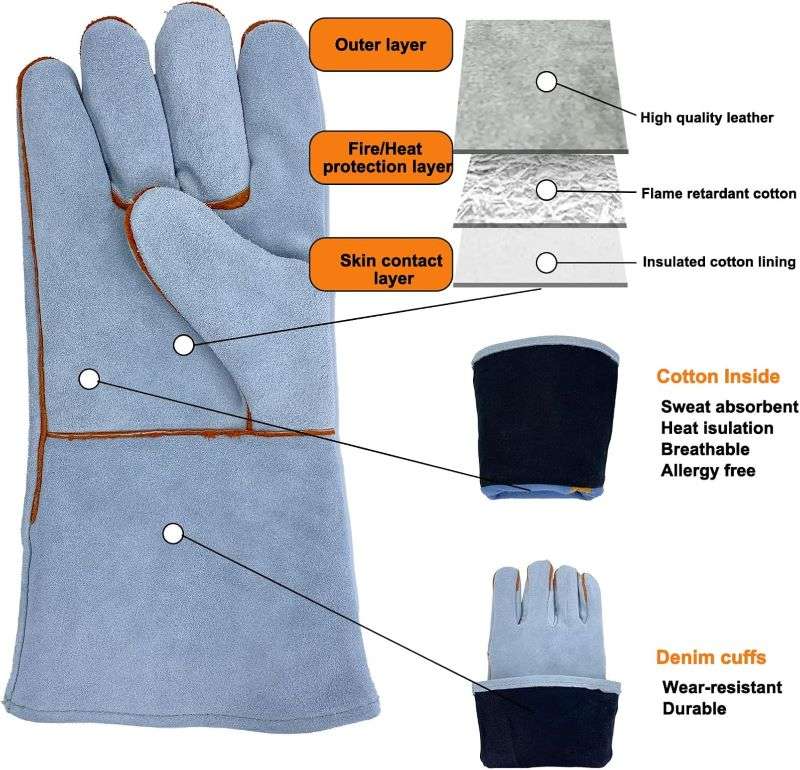
There are two core design tensions in welding gloves: how much insulation versus how much breathability. Too much insulation and your hand cooks over time. Too little, and the first contact burns.
Take the Double-Layer Cowhide High-Temperature Protective Gloves as an example. They’re built to withstand high temps (you feel secure when handling hot coals), which is great for short, intense tasks. But their double-layer design traps more heat and moisture during long sessions. That’s perfect for a quick forge adjustment. Not ideal for a full-day shift without scheduled breaks.
Compare that to the Yellow Welding Protective Leather Gloves—lighter, more breathable, and often used for repeated handling and general workshop duties, better at managing sweat during medium-length tasks.
Both have a place. Know which place you’re in before you lock in.
Short Bursts vs. Long Runs: Choose Your Rhythm
- For bursts (a handful of hot touches), go thick and long. Your welding gloves should prioritize raw heat resistance.
- For long, continuous work, prioritize breathability and liner moisture control. You want a glove that keeps your grip and reduces the “soggy hand” feeling.
This is where the heat-resistant label can be deceptive. It tells you what happens in an instant, not what happens after thirty minutes.
Practical Adjustments That Actually Help
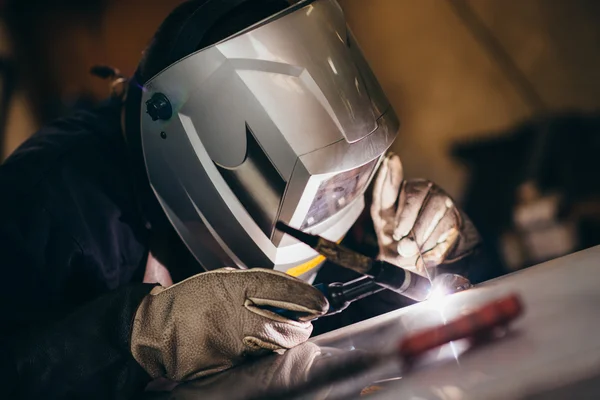
You don’t need lab gear. Do these simple things to manage glove microclimate and your performance:
- Work-rest microcycles. Every 20–30 minutes, take a 2-minute break: remove the glove, air the hand, and towel-dry if needed. The timeout resets comfort and precision.
- Swap pairs. If you have both heavy and light welding gloves, cycle them during long jobs. Let the heavier ones cool and dry while you use the lighter pair.
- Linear attention. Damp liners are enemies. Use absorbent cotton liners where possible and change them when saturated.
- Ambient cooling. A fan blowing across the bench changes everything. It reduces glove-liner humidity and delays the point where heat feels intolerable.
These small habits slow down fatigue and reduce sloppy work (you know, the “why is this bead ugly?” moments).
Material Notes: What Really Affects Microclimate
- Leather (cowhide, double-layer) holds up to sparks and abrasion. It’s durable. But it absorbs and holds more heat.
- Lighter synthetics or mixed-back designs (leather palm, fabric back) offer better airflow but less guard against molten spatter.
- Cuff length matters: longer cuffs reduce the risk of sparks slipping down your sleeve, but they can also trap more heat near the wrist.
In short: material choices trade off protection for comfort. Your workflow decides which side to favor.
A Quick Scenario: MIG Panel Work All Day
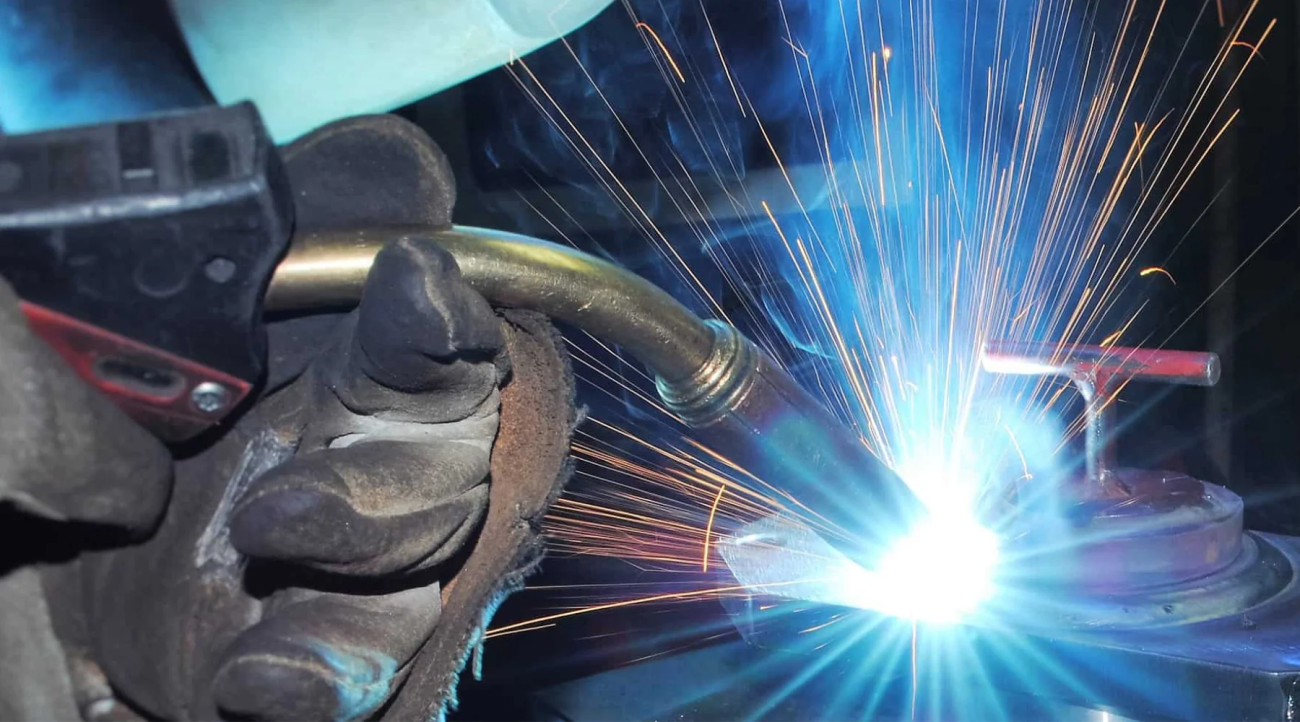
You’ve got a stack of seams to run. MIG welding generates spatter and steady heat exposure. Wearing bulky welding gloves might make you less precise and sweatier. A smart approach: start with a breathable, midweight glove for the long seams (less liner saturation), and keep the heavy cowhide pair nearby for any hot touches or handling red metal. The microcycle—swap, air, continue—keeps performance steady.
It sounds like fussy theater, but the cumulative return is real: fewer touch-ups, fewer splatters in awkward spots, and less friction with the grinder later.
Wrap: Treat Glove Microclimate Like a Tool in Your Workflow
Welding gloves don’t just protect. They change your environment and your body’s response to it. Treat them like part of your process, not an afterthought. Pick gloves with an eye on the session length and task type: TIG finesse vs. MIG runs vs. stick bursts. Practice quick air-outs, and rotate when needed. Small behavioral shifts beat expensive gear gambles more often than not.
And one last note—comfort is not indulgence. It’s safety and quality stitched together. Take care of your hands, and they’ll take care of the rest. Tough jobs need tougher gloves—Shop Welding Gloves Now.