
Hands break the world down into workable pieces. If your hands stop cooperating, the rest of the day unravels fast. Most advice about welding gloves focuses on sparks and heat—important, obviously. Less talked about: how the right pair of welding gloves and the wrong habits shape your grip, strain your tendons, and affect long-term dexterity. This post dives into that underexplored territory—ergonomics, simple prevention, and small daily habits that keep hands working for decades.
Why Ergonomics and Welding Gloves Belong in the Same Sentence
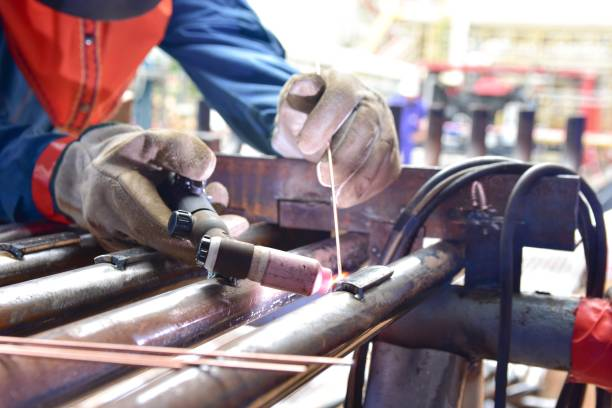
Throwing on a pair of welding gloves changes how you hold tools, how you transfer force, and even the micro-angles of your wrist. Those adjustments matter. Over time, repeated awkward postures lead to tendonitis, carpal tunnel flares, or loss of fine motor control. The goal here isn’t fear—it’s preparedness: pick gloves and practices that protect both skin and structure.
Basic Mechanics: How a Glove Alters Force and Feedback
A glove adds padding and distance. That’s good for burns, less good for sensory feedback. When fingertip sensitivity dulls, workers compensate: they grip harder, change wrist angles, or move the whole arm more. These compensations magnify the load on joints.
- Leather palms give toughness but also change friction and grip.
- Thick padding reduces vibration but can encourage a death grip.
- Longer cuffs that keep sparks out can also restrict wrist rotation if poorly designed.
So: design choices in welding gloves produce biomechanical consequences. Noticeable within hours. Cumulative over years.
Two Product Examples—How They Fit into Hand-Health Thinking
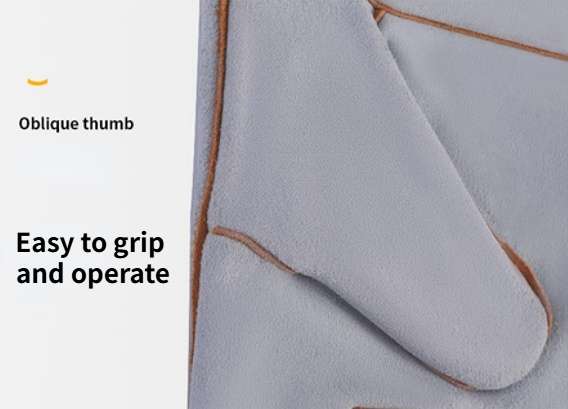
I’ll reference two glove styles from your list to make this concrete—only two, because clarity helps.
- Double-Layer Cowhide High-Temperature Protective Gloves—thick, heat resistant, long cuffs. Great at blocking intense heat and protecting forearms. Downside: added bulk can reduce wrist flexion and blunt fingertip feedback during fine tasks. Use these for heavy handling and short-duration, high-heat jobs, not long precision work.
- Full Cowhide Reinforced Welding Gloves—still robust and leather, but a touch less bulky in some builds. They give more dexterity while keeping decent coverage. They strike a balance: suitable for mixed workdays when you need protection and some finesse.
Both are useful. The trick: choose the glove that matches the physical demands of the task, and don’t force one pair to be everything.
Simple Routines to Protect Tendons and Grip (Do These in 5 Minutes)
Small rituals beat heroic fixes. Try this two-part micro-routine before the shift and intermittently while working.
Warm-up (2 minutes)
- Wrist circles: 10 each direction.
- Finger taps: tap each fingertip to the thumb 10 times.
- Light grip squeezes with a soft ball: 10 slow squeezes.
These increase blood flow and prime tendons for load.
Mid-shift Microbreak (Every 30–45 minutes)
- Remove welding gloves for 30–60 seconds. Shake hands loosely, extend fingers wide for ten seconds, then relax.
- Rub the forearm muscles where gripping strain appears—massage beats stiffness.
These actions reduce cumulative tension and improve precision when you put gloves back on.
Grip Technique—Change One Habit, Prevent Months of Pain
People tend to overgrip when sensory input declines. Instead, learn to set tools in a neutral wrist position and use the hand like a clamp that stabilizes rather than crushes. That means:
- Use the palm and the base of the fingers for larger force transfers.
- Reserve fingertips for alignment, not power.
- Let the forearm muscles carry the load, not the wrist.
When you use welding gloves, rehearse these positions slowly until they become automatic.
Fit, Cuff Length, and Padding—Small Details That Protect Big Things
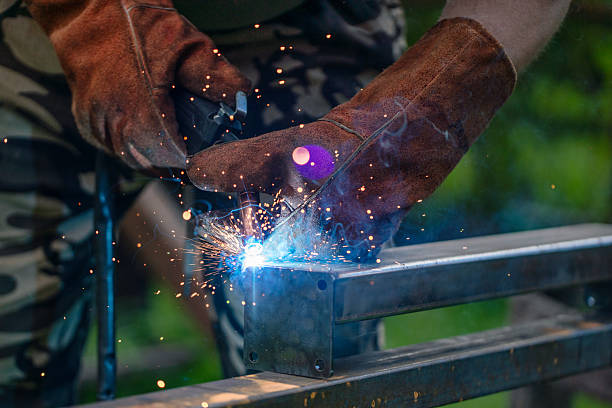
A well-fitted welding glove should let you close your hand with minimal extra force. Overly long cuffs that bunch under sleeves change wrist mechanics. Over-padded palms cause micro-slippage and re-gripping. When inspecting gloves, watch how the wrist bends during a mock motion. If the glove pulls or bunches, try a different size or cut.
Also: check seams at the thumb and index—these are stress points where compensatory gripping concentrates load.
When to Rotate Gloves—Strategy, Not Superstition
If you do mixed work—TIG precision one hour, MIG seam the next, heavy handling after that—rotate glove types. Switch from a long, double-layered welding glove for hot handling to a less bulky leather pair for longer, more precise work. Swapping reduces continuous loading on the same tendons and gives liners a chance to dry, too.
Final Practical Checklist
- Measure fit: fingertips should touch the pad, not the seam.
- Warm-up: 2 minutes every morning.
- Microbreaks: Unglove for 30–60 seconds every 30–45 minutes.
- Rotate: use heavier gloves for short hot tasks and lighter welding gloves for long runs.
- Inspect seams, liner compression, and cuff behavior weekly.
Closing—Hands Are Capital; Protect Them
Welding gloves save skin. But they also change how you move. Treat glove choice as a health decision as much as a safety one. Match the glove to the motion, warm up like an athlete, and schedule small, regular breaks. Your hands will keep making things longer, cleaner, and with less pain.
Tough jobs need tougher gloves—shop welding gloves now.