
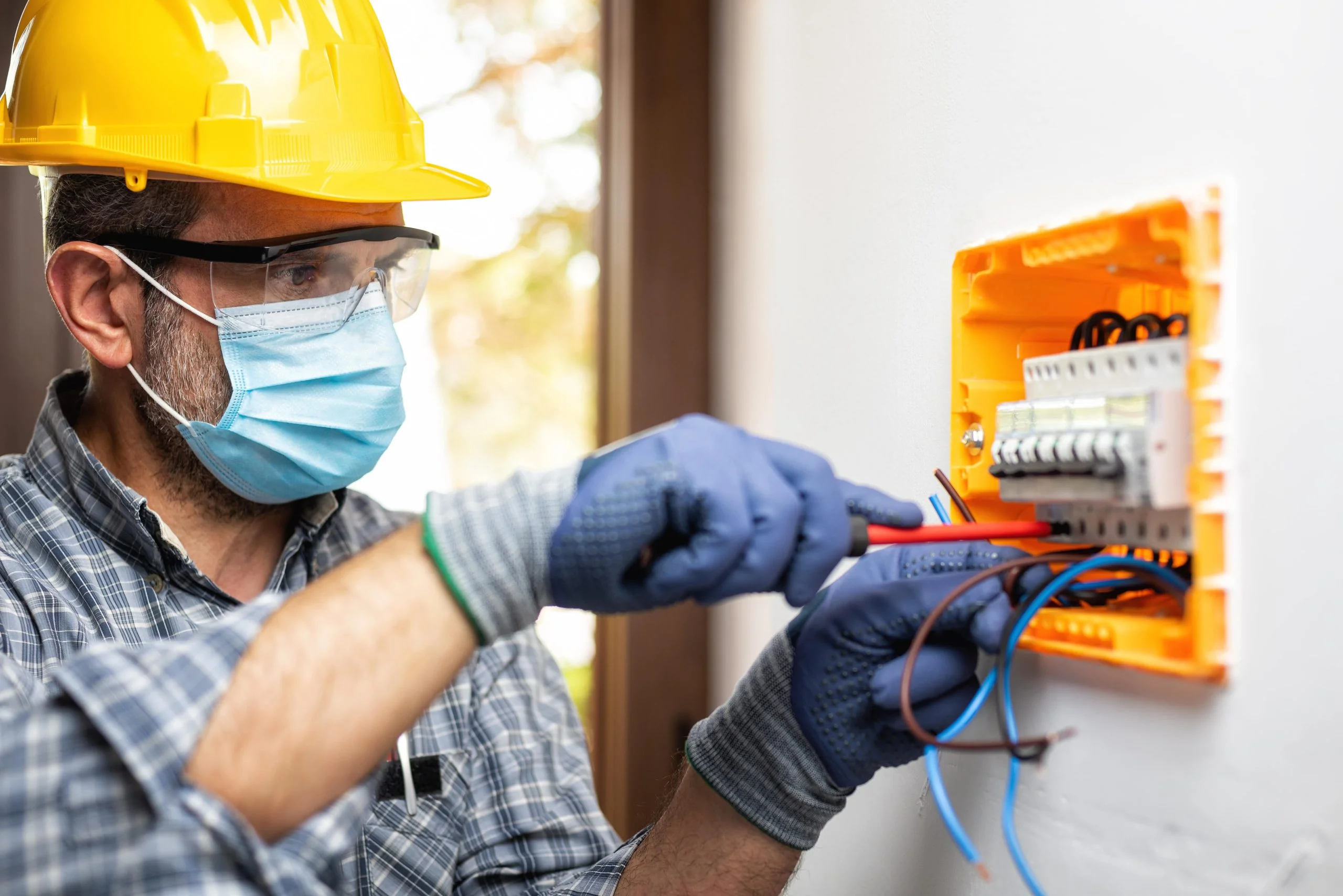
If you weld, you already trust welding gloves to block sparks, spatter, and heat. Good. But electricity behaves differently from heat. A leather gauntlet that keeps your palm cool won’t necessarily keep you safe from an electrical fault. This article digs into the practical electrical considerations around welding gloves, explains what they do and don’t protect against, and shows how to reduce shock risk in real shop work.
Basic Reality: Welding Gloves Protect Against Heat and Abrasion, Not Electrical Contact
First, the short version you should never forget: welding gloves are engineered for thermal and mechanical hazards. Their outer leather shells and inner liners are chosen for heat-resistant performance, abrasion resistance, and comfort. They are not certified electrical insulating gear. If you grab a live conductor, a typical leather welding glove is not a guaranteed insulator. That’s the baseline. Now the nuance.
Why Leather and Layers Matter—But Don’t Assume Insulation
Leather has low thermal conductivity and resists spatter; double layers increase thermal dwell time. For example, a Double-Layer Cowhide High-Temperature Protective Gloves pair gives excellent short-contact protection because the two layers and the cotton liner slow conductive heat transfer. However, leather can absorb moisture and oils; a wet glove reduces its resistance to electricity drastically. A 24 cm yellow welding gloves pair that’s been sweating or has oil on the palm may conduct more than when it’s dry. So: dry, clean gloves are safer—but not electrically rated.
Arc Flash, Stray Voltage, and the Limits of a Glove
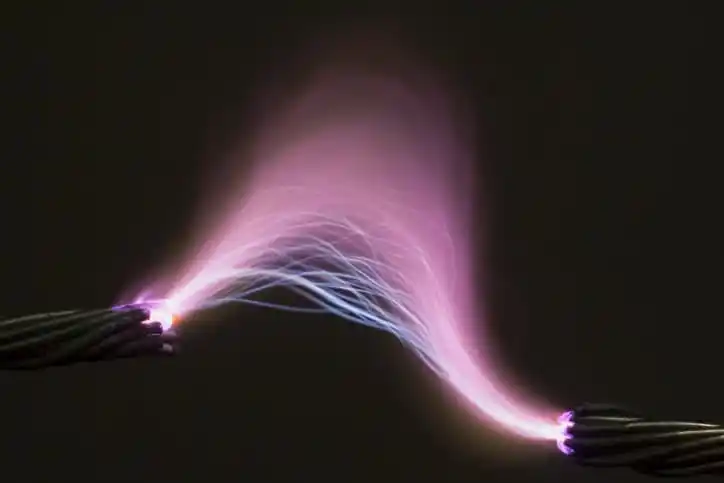
Welding involves high currents. The arc itself is a plasma event; burns come from heat and light, not electrical conduction through the glove. But stray voltage and faulty equipment produce shocks. Welding gloves can reduce the chance of minor flash burns from spatter, yet they do not stop the path of current through a body if you touch a live part and a return path. Don’t assume a glove is a shield against a fault; treat electrical exposure as a separate hazard.
Practical Precautions—Things That Actually Reduce Electrical Risk
Here’s where practical work beats myths. Use these controls every session where voltage is present:
- Isolate power when possible. Turn off machines before working near live conductors. Welding gloves are not a substitute for lock-out/tag-out.
- Keep gloves dry. Sweat and oil lower resistance—so dry liners and airing your welding gloves matter.
- Use insulated tools and mats. Stand on dielectric mats when working on energized controls, not on a bare metal bench. Welding gloves are hand protection; they’re not a whole-body insulation strategy.
- Maintain equipment grounding. Regularly inspect leads, torches, and clamps for insulation damage. Avoid relying on the glove when the cable insulation is compromised.
- Combine PPE correctly. If electrical work is required, wear proper electrical insulating gloves certified for the task, and use leather welding gloves over them for heat protection if needed—leather over electrical gloves is a common practice, but it must be done correctly.
Note: the last point is critical—professionals often wear electrical-rated rubber gloves under leather protectors to combine shock protection with heat resistance. But that approach requires certified rubber gloves and training.
Workflow Examples—Avoid Risky Combos With Welding Gloves
- Scenario A: you need to reposition a grounded welding cable. Stop welding, de-energize the circuit, and then use your welding gloves or insulated tools. Don’t try to move a live clamp with welding gloves alone.
- Scenario B: you’re working near electrical panels after cutting metal. Use dielectric mats and a test meter to confirm de-energized status before you reach in—even if your welding gloves are on.
- Scenario C: The torch is stuck, and you must intervene quickly. Prioritize cutting power, then handle the hot torch with your Double-Layer Cowhide High-Temperature Protective Gloves if heat is the immediate risk. Don’t improvise electrical insulation.
These simple steps make the difference between a minor scare and a serious incident.
Design Notes—What to Look for if Electrical Contact Is Possible
If your workflow mixes welding and electrical work, consider these practical procurement tips:
- Keep a pair of certified insulating gloves for electrical tasks; do not use ordinary welding gloves instead.
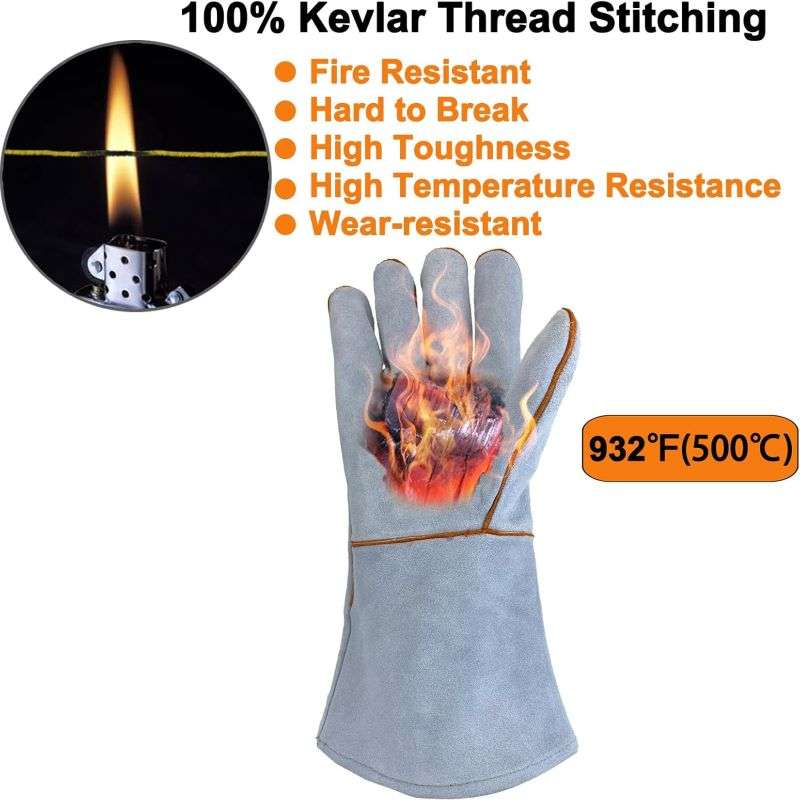
- When buying welding gloves, favor models with breathable liners and leather that resists oil uptake—this improves the baseline safety if you accidentally touch live parts, but it is still not a replacement for insulation. The 24 cm Yellow Welding Gloves are visible and practical for quick non-electrical handling, while the Double-Layer Cowhide pair is ideal for hot metal movement—but neither replaces an insulating glove when voltage is present.
- Train crews on glove stacking: rubber insulating gloves under leather welding glove protectors for dual hazards—but follow standards and testing.
Inspection Routines That Catch Electrical Hazards Early
No glove can fix poor equipment. Add these checks to your pre-shift routine:
- Visual check of torch leads and cables for frays and exposed conductors.
- Ensure clamps and connectors aren’t corroded.
- Smell test—if a glove smells of burning insulation, stop and inspect the machine. Welding gloves can mask small hot spots; don’t be complacent.
Small inspections catch many problems before hands get involved.
Closing—Gloves Are Crucial, but Boundaries Matter
Welding gloves are essential, but their domain is thermal and mechanical protection. When electricity enters the picture, you need separate controls: isolation, proper insulating gloves, and safe work sequencing. Keep welding gloves dry, store them well, and use them alongside real electrical PPE when required. When in doubt, stop, de-energize, and think through the move.
Use the right glove for the right hazard—that’s the safest shorthand in any shop. Equip your shop—buy heat-resistant welding gloves and proper electrical insulating gear for safe work.