
There’s something quietly powerful about a pair of welding gloves hanging on a peg. For many families, that glove is more than leather and thread. It’s a tiny ritual. It marks the moment someone lends a hand to steady a torch, to file a bead, to respect heat. This piece looks at the social side of gear: how welding gloves anchor intergenerational learning, how to choose pairs that bridge ages and skills, and how modest rituals around gloves make workshops safer and more welcoming.
The Glove as a Story-Starter
Ask anyone who learned metalwork from a family member, and they’ll tell you the same thing: the first real tool felt borrowed until it didn’t. A pair of welding gloves is often that first “real” thing. It says, “You’re trusted.” Put them on and you’re part of the circle.
That’s why choosing the right welding gloves for family teaching matters. Too bulky and a teenager loses touch; too thin and an older teacher worries about hot sparks. The right glove balances protection with approachability—so the novice isn’t intimidated and the elder feels safe passing on skills.
Choosing Two Pairs That Fit a Family Workshop
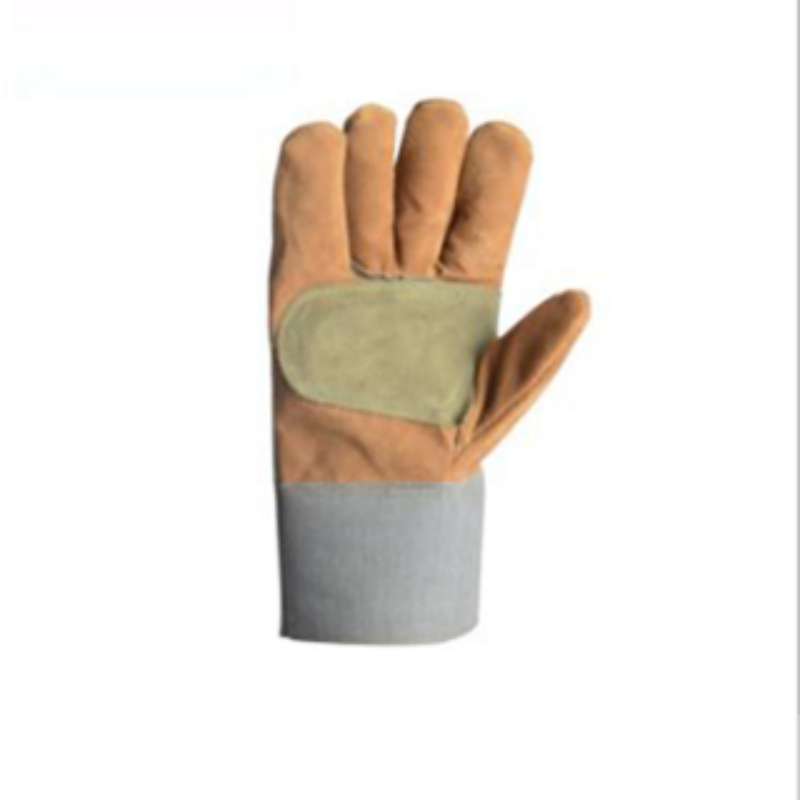
You don’t need a dozen pairs. Two thoughtful choices cover most family scenarios: a protective pair for hot handling and a nimble pair for learning and finishing.
- A long, protective pair—this is for the mentor to model safety. The Unisex Cowhide Leather Welding Gloves (14-inch) work well here. They feel solid in the hand, and the extended cuff gives visible forearm protection; that visual cue helps a novice respect the danger without lecture.
- A lighter, more approachable pair—suitable for learners. A leather cloth welding gloves style lets beginners feel tools and build confidence. It’s forgiving, comfortable, and less likely to frighten a first-timer.
Keep the heavy pair for heating tasks or quick hot grabs, and the lighter pair for clamps, files, and controlled demo work. Two pairs make the workflow obvious and reduce the small friction that interrupts teaching.
Rituals That Actually Teach
Rituals are short, repeatable, and social. They do the heavy lifting of safety and skill transfer. Try these:
- The “two-second check”: before any lesson, the mentor flexes the cuffs, taps the fingertips, and says aloud, “gloves ready.” The student repeats. It’s brief, but it builds attention.
- The hand-off: gloves are placed on the bench, not tossed. The instructor hands the glove to the student hand-to-hand while explaining the first step. That small ceremony signals respect and care.
- The swap rule: heavy gloves for handling hot items, light gloves for holding parts—practice the swap so it becomes automatic.
These small habits teach more than a lecture; they train muscle memory and create a culture where welding gloves are respected tools, not optional accessories.
Safety Plus Dignity: Teaching Without Fear
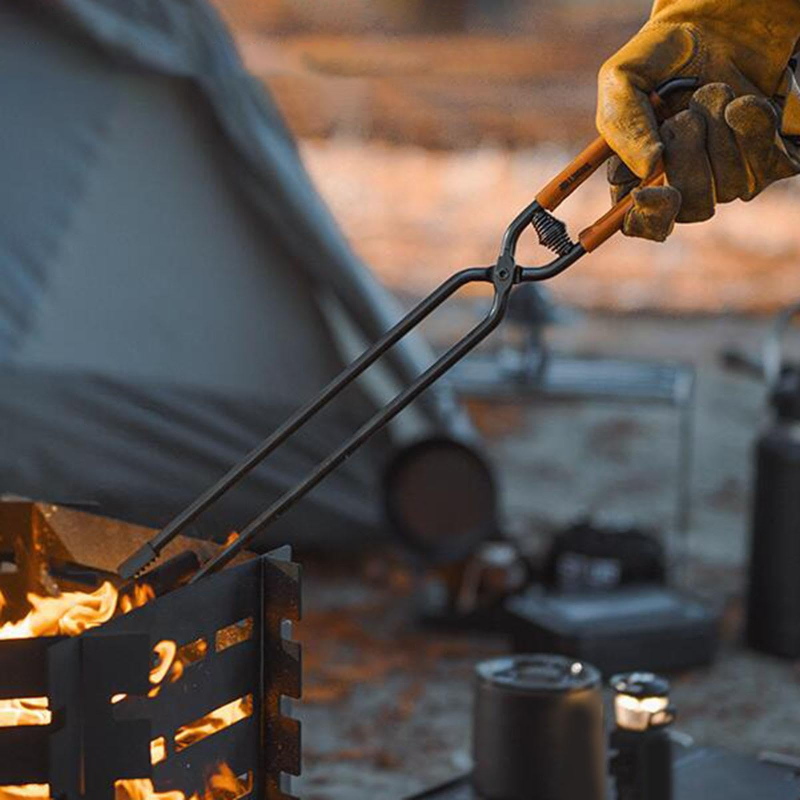
Older family members often have serious concerns about safety. That’s natural. Good gloves reduce anxiety and preserve dignity. When someone feels protected, they’re less likely to hover and more likely to let the younger person try. The thick cowhide pair is a visible promise: “I’ll shield you when the metal’s hot.” That lets the novice focus on technique, not terror.
At the same time, the lighter leather-cloth pair keeps practice sessions approachable. Beginners can pick up a chisel or a clamp without feeling encased. Balance is everything.
How Gloves Shape Technique, Not Just Protection
You’ll notice an odd effect: wearing a certain glove changes how people move. A heavy glove encourages bigger, steadier motions. A lighter glove invites finer work. Use that intentionally during teaching:
- Start a session with the lighter glove for positioning and feel.
- Switch to the heavy pair when heating elements or sparks are involved.
- Use the glove change as a teaching cue: “Now we’re in the hot zone—swap to the long pair.”
That simple choreography prevents mistakes and makes the learning process feel like a crafted dance, not a barrage of instructions.
Practical Stewardship: Keeping Gloves Ready for the Next Generation
If you want your welding gloves to last and become meaningful keepsakes, take good care of them. Teach kids to hang gloves properly, air liners after use, and patch small tears. Simple habits:
- Label pairs: “Grandpa’s hot pair” and “Junior’s practice pair.” The label creates ownership and reduces cross-contamination.
- Rotate pairs and let liners dry; damp gloves reduce protection and morale.
- Keep a small repair kit nearby. A stitched seam is often a story: “I fixed that after my first week.”
Maintenance rituals teach responsibility. They’re a quiet way to pass on not just skill, but respect for tools.
A Small Note About Inclusivity and Accessibility
Workshops should welcome people of different sizes and abilities. That means accommodating smaller hands and reduced grip strength. Choose welding gloves in a range of fits; a unisex model is fine, but consider sizes and don/doff ease. Assistive tools can allow more family members to participate, such as clamps, larger grips, or glove pull tabs.
Inclusivity keeps tradition alive: the more people who can join, the richer the stories become.
Stories That Stick: A Couple of Quick Vignettes
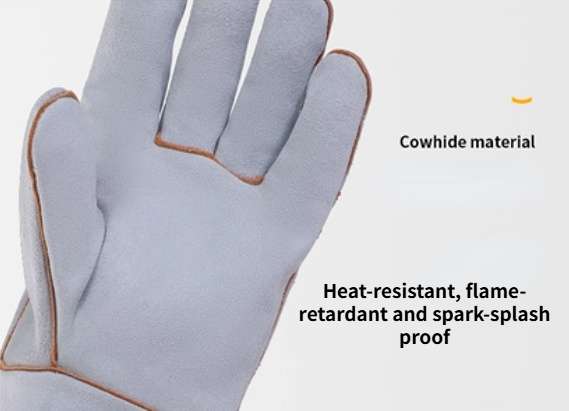
- A grandmother taught her grandson to make a fire poker. She started him with a light leather-cloth pair to handle clamps; when the poker needed tempering, she put on the Unisex Cowhide pair, guided his hand, and let him feel the heat safely. Years later, that poker is still on their mantle.
- At a family reunion, a bright set of gloves became the “host pair” for grill duties. Kids who once feared the coals learned to tend a fire under supervision. Safety, served with burgers.
These are small scenes, but they repeat across workshops and backyards.
Closing—Legacy Stitched in Leather
Welding gloves are practical tools, yes. But they’re also culture: the glove that fits a story, the pair that gets repaired and kept, and the swap that teaches respect. If you want skills to survive across generations, focus less on full curricula and more on these simple things: choose approachable gear, build tiny rituals, and treat gloves as part of the conversation.
Two pairs, a peg, and a little ceremony—those are more important than a manual. Try it. Invite someone you care about to the bench. Hand them a glove. See what happens. Outfit your family workshop—shop welding gloves built for safety, comfort, and teaching.