
If you’re buying welding gloves regularly, eventually a question nags: am I paying for performance or just replacing worn-out pairs? This glove comparison treats welding gloves as an investment: upfront cost, lifespan, maintainability, comfort impacting productivity, and actual monthly operating costs. I’ll compare the Unisex Cowhide Leather Welding Gloves and the Leather Cloth Welding Gloves to show how to evaluate real value. No fluff; practical math and honest trade-offs.
Why Value Matters More Than Price
A cheap pair that fails fast costs you more: replacements, downtime, and even medical bills if a failure causes burns. Conversely, a higher-priced pair that lasts and keeps you productive can be the best bargain. Think total cost of ownership. For welding gloves, that includes:
- Purchase price.
- Expected usable hours.
- Maintenance and minor repairs.
- Ergonomic effects on work speed and mistake rate.
- Versatility across tasks: TIG, MIG, stick, or general handling.
When you treat welding gloves as consumables, you’ll make smarter choices.
A Quick Comparison of Two Welding Gloves
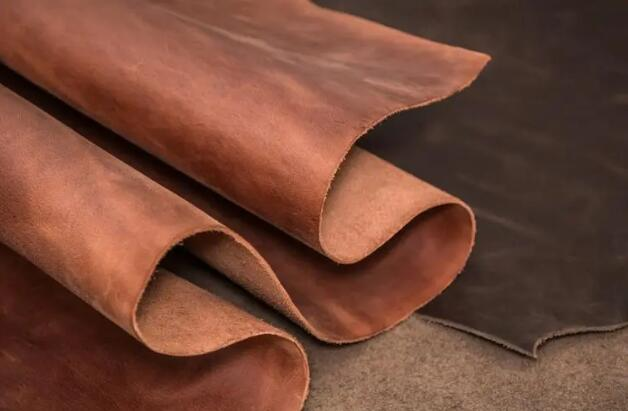
- Unisex Cowhide Leather Welding Gloves—thick 1.3mm cowhide, cotton liner, Kevlar stitching, long cuff for added forearm protection. Built for heat resistance and abrasion.
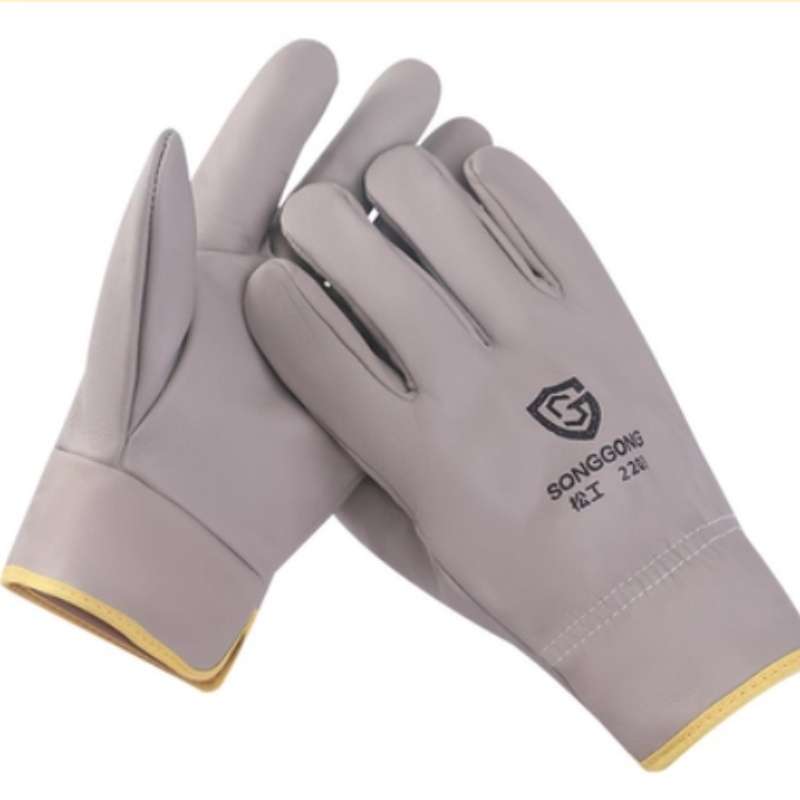
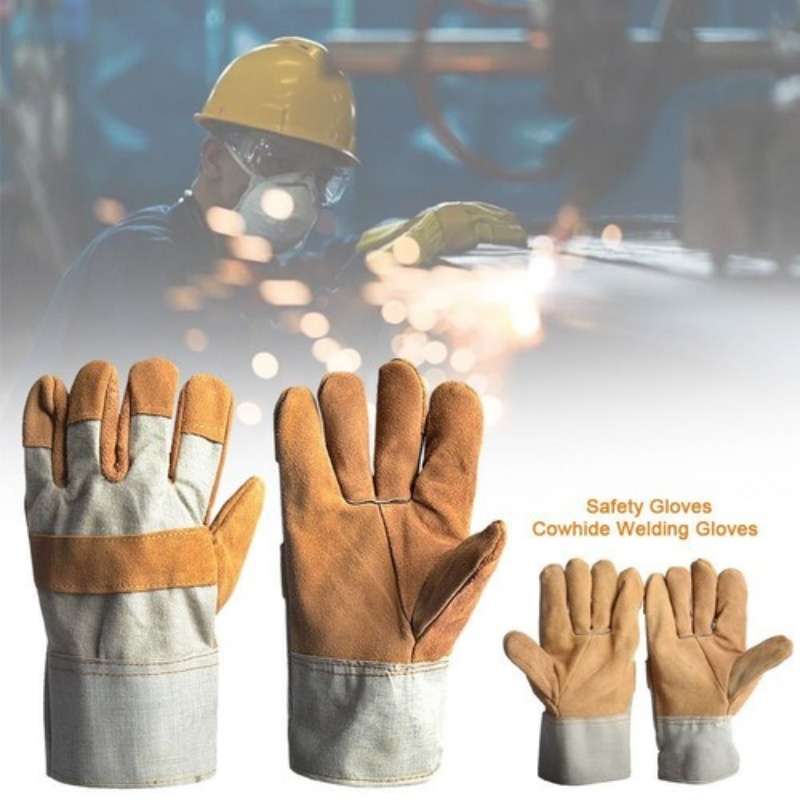
- Leather Cloth Welding Gloves—lighter leather + fabric construction, fully lined, focused on comfort and moderate protection.
Durability: How Long Will They Actually Last?
Durability depends on work type. Let’s assume three typical user profiles:
- Hobbyist: 2–3 hours/week, mostly light MIG and shop tasks.
- Weekend pro: 6–12 hours/week, mixed TIG/MIG, and occasional hot handling.
- Full-time pro: 30–40 hours/week, heavy MIG/stick, and frequent hot contact.
For the Unisex Cowhide Leather Welding Gloves, expect:
- Hobbyist: 3–5 years.
- Weekend pro: 1–2 years.
- Full-time pro: 3–6 months (depending on abuse and spatter).
For the Leather Cloth Welding Gloves, expect:
- Hobbyist: 1–2 years.
- Weekend pro: 6–12 months.
- Full-time pro: less than 6 months.
Why the difference? Full cowhide damps spatter and resists abrasion, and the Kevlar thread prevents seam failures. That makes the cowhide pair more heat resistant and longer-lived in punishing environments. But the lighter leather-cloth glove breathes and can be more comfortable for long, low-heat tasks.
Comfort & Productivity—The Hidden Cost
Comfort affects output. A glove that causes sweaty hands, poor grip, or heavy fatigue will slow you and increase errors. That’s an indirect cost of any welding gloves.
- The cowhide pair is stiffer initially; break-in time matters. Once broken in, it’s protective but slightly reduces fingertip sensitivity. That can slow delicate TIG work.
- The leather-cloth glove keeps hands cooler and lets fingers move with more precision. You’ll be faster on long runs and repetitive tasks.
So if your day is long seam runs or fine TIG, productivity gains from a more comfortable glove can outweigh the extra durability of a heavy glove.
Repairability and Maintenance—Stretch Useful Life
How easy is it to patch a glove? The cowhide model’s heavy materials take well to small repairs: reinforcing a thumb patch and re-stitching a seam with Kevlar thread. The leather-cloth glove can also be patched, but its mixed materials sometimes complicate repairs and compromise fit.
Maintenance checklist that extends life for any welding gloves:
- Air out liners after shifts.
- Brush off grinding dust; it abrades leather.
- Condition leather or cowhide lightly once a season.
- Repair seams early—don’t let a single broken stitch become a wide tear.
These steps keep gloves usable and reduce replacement frequency.
Fit-for-Purpose: Match Glove to Task, Not Vice Versa
Here’s a practical decision guide.
- Heavy handling, hot parts, occasional forge work: choose the cowhide 14-inch pair. Long cuffs and thicker hide give a safety margin.
- Long TIG runs or precision assembly: pick the leather-cloth glove or a lighter palm-first glove—this category improves productivity.
- Mixed tasks: keep two pairs and switch. Rotate to let liners dry and to avoid heat buildup.
Switching costs a few seconds. It saves much more over weeks.
Environmental and Safety Externalities
One more factor: disposal and sustainability. A longer-lived cowhide glove means fewer discarded pairs. Repairs lower waste. Also, failures in cheap gloves can lead to small injuries and lost time—an unpriced externality many ignore.
From a commercial standpoint, choosing higher-durability welding gloves can be marketed as both safer and greener.
5 Quick Buying Lists
- Inspect seams and join points—Kevlar stitching is a plus.
- Check cuff length—long cuffs add forearm protection.
- Try them on with your everyday tools in hand.
- Consider maintenance: are seams serviceable?
- Do the cost-per-hour math for your expected weekly use.
Final Verdict—Which Is “Best”?
There’s no single best. For durability, heat resistance, and long-term value under heavy use, the Unisex Cowhide Leather Welding Gloves win. For comfort, lighter tasks, and short-run productivity, the Leather Cloth Welding Gloves are compelling. If you’re uncertain, buy both. Use the cowhide for hot grabs and the leather cloth for long, delicate sessions. You’ll get the safety where it matters and the speed where it pays.
Choose durable, heat-resistant welding gloves—shop cowhide and leather-cloth options for your workflow.