
Yes, welding gloves are safety gear. But they’re also a surprisingly flexible lifestyle accessory for makers, hosts, and homeowners who live with heat, sparks, or just a hands-on schedule. This is not another “safety brief.” It’s a practical, commercial look at how the right pair of welding gloves blends into seasons, projects, and social rituals—without being gimmicky. I’ll show use cases, small rituals, and storage ideas that make the idea simple to adopt.
Why Think Lifestyle, Not Toolbox
Most people stash welding gloves and forget them until a job pops up. That’s wasteful. Incorporating welding gloves into your daily life as the seasons change reduces friction, prevents accidents, and makes the most of a purchase. Want to move a searing cast-iron skillet off the grill in July? Need to handle a glowing link during October’s backyard bonfire? Or maybe you’re repairing a fence in spring and want protection that doesn’t destroy dexterity. The right welding gloves do all that and keep you reaching for them instead of improvising with kitchen mitts.
This is especially useful if you enjoy weekend projects and occasional entertaining: less gear anxiety, more doing.
Seasonal Playbook—How to Keep a Pair in Rotation
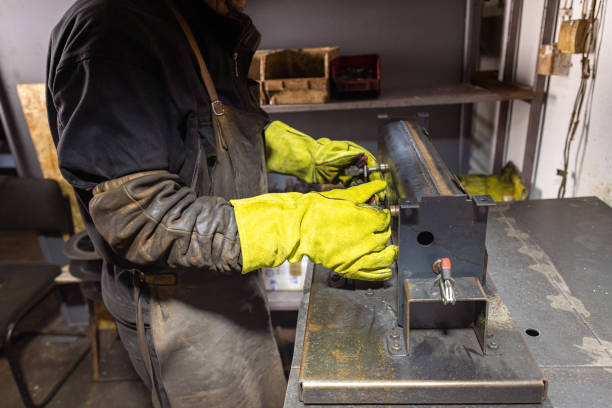
Think of two roles: the heavy handler and the everyday helper.
- Spring: pruning, light forge prep, and fence repair. Use lighter, more dexterous welding gloves that balance grip and protection. Leather palms keep splinters at bay while letting you feel tools.
- Summer: grilling, firepit nights, and car maintenance. Bright, visible welding gloves that are good for BBQ make hosting safer and look intentional (yes—presentation matters).
- Autumn: furnace checks and woodstove tending. Switch to a long, insulated pair for handling hot coals and oven work. Heat resistance matters here.
- Winter: short, focused hot-work tasks—use double-layer protection for brief contacts and then switch to a warm, flexible glove for finish work.
Having two pairs of frequently used welding gloves simplifies the selection: one lightweight and flexible and one heavy-duty. You won’t over-glove, and you won’t under-protect.
Entertaining & Hosting: The Unexpected Role of Welding Gloves
This is where some readers will raise an eyebrow and then like the idea. Picture this: you’re running a backyard cookout. The lid is hot, coals need adjusting, and guests want to help. A bright, budget-friendly pair of welding gloves does two things: it protects and it signals. Guests feel invited to participate safely; you reduce liability and awkwardness when someone grabs a hot grate. A striking yellow pair of welding gloves makes the act seem natural and keeps things clean while cooking.
Hygiene is important. Keep one pair labeled for food-related tasks only. Clean the “BBQ” pair regularly, and don’t let it touch greasy shop grime.
Home Improvement: Small Gains from Better Handwork
From replacing a short run of fence posts to trimming a stubborn bracket, welding gloves improve both safety and technique. Instead of switching between a garden glove and a rag, a leather-palm welding glove gives abrasion resistance and tool grip while still offering enough feedback to handle screws and clamps. That matters when you’re in a time crunch or working in tight spaces—less fumbling, fewer dropped parts.
If you do occasional welding, keep a true heavy pair for red-hot handling and a leather-palm pair for the rest. The workflow is quick: grab hot material with the heavy pair, move to a cooling station, then switch back to the leather palm for finishing.
Welding Gloves Suitable for a Lifestyle
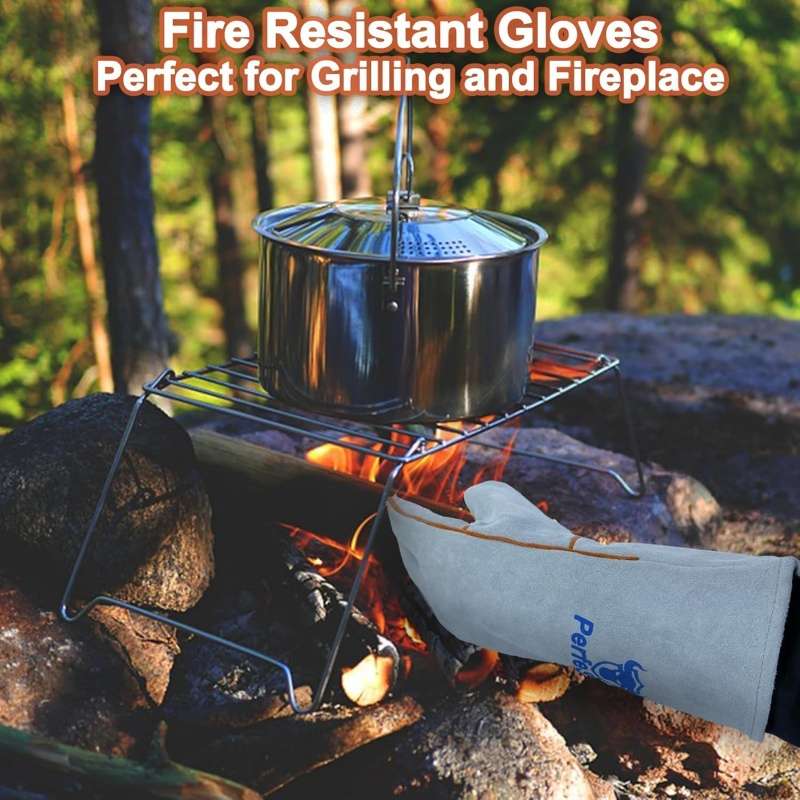
Integrate two practical welding gloves into your daily life.
- 24cm Yellow Welding Gloves—the everyday, visible helper. Affordable, good for BBQ, and flexible enough for general maintenance and hosting duties. Keep a clean set for food tasks and a work set for the shop.
- Double-Layer Cowhide High-Temperature Protective Gloves—the heavy-duty partner. When the job or season demands short contact with very hot metal, the double-layer cowhide delivers heat-resistant protection and forearm coverage. Use it for quick, high-heat moments, then swap back to the yellow pair.
That combination covers most seasons and most social scenarios without confusion.
Storage, Care and Quick Rituals for Busy People
A couple of tiny habits make welding gloves feel like home accessories, not lost tools.
- Assign hooks: “BBQ” pair on one peg, “Shop” pair on another. Color-coded tags help.
- Weekly airing: leather breathes. Flip pairs open on a rack after use.
- Quick clean: brush off grit, wipe leather palms, and avoid heavy oils that reduce fire resistance.
- Swap ritual: when a task turns hot, announce a quick “swap” and put the heavy pair on. Small theater, big safety.
These micro-habits reduce mistakes and make gloves more visible in family spaces—no more hunting for a missing mitt when the coals need adjusting.
Gifting, Identity and the Maker Lifestyle
A quality pair of welding gloves makes a thoughtful gift for someone who cooks, makes, or leads a community workshop. They’re tactile, useful, and durable—qualities people appreciate. Personalize a pair with a small patch or a colored loop for identity. In neighborhood workshops, gloves become stories: “That’s the pair I used on my first forge project.” Gifts that serve both function and narrative are small cultural anchors.
Don’t Skip These Small Tips
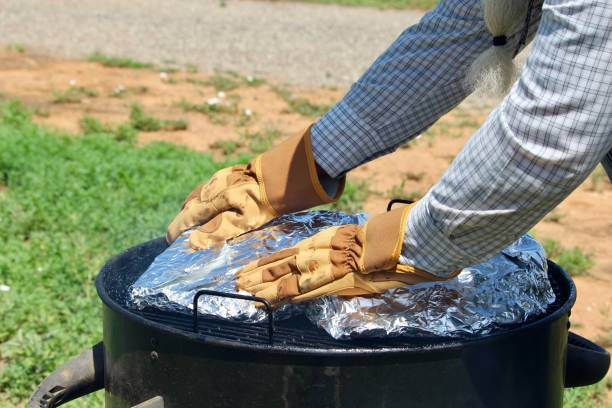
- Don’t use a kitchen- or BBQ-designated glove for greasy shop work. Cross-contamination is real.
- Heavy gloves trap heat; don’t keep them on for long idle periods. Swap them out.
- No glove replaces proper tools: tongs, trays, and heat-resistant containers are still required.
Final Practical Checklist
- Keep two pairs: one bright, nimble pair and one heavy-duty pair.
- Label and store them visibly.
- Rotate seasonally and dry liners to preserve insulation.
- Use the heavy pair only for short hot contacts; switch back for precision or hosting.
Thinking of welding gloves as lifestyle goods doesn’t trivialize safety—it makes protection habitual. When gear is part of how you live, you use it, care for it, and keep your hands working. That’s the point: safer, easier making—and yes, better summer barbecues too.
Upgrade your seasonal toolkit—get welding gloves for grilling, home projects, and hot handling.