
There’s a pattern I see in community workshops: makers get older, but their curiosity doesn’t. What changes is how their hands respond. Stiff joints, weaker grip, slower reflexes—all normal. The smart response isn’t to stop making things. The wise approach isn’t to stop creating but to choose appropriate welding gloves to compensate for these changes and thus maintain creativity. This article walks through practical choices, tiny technique shifts, and care tips designed specifically for older hobbyists and part-time welders.
Why Older Hands Need Different Protection
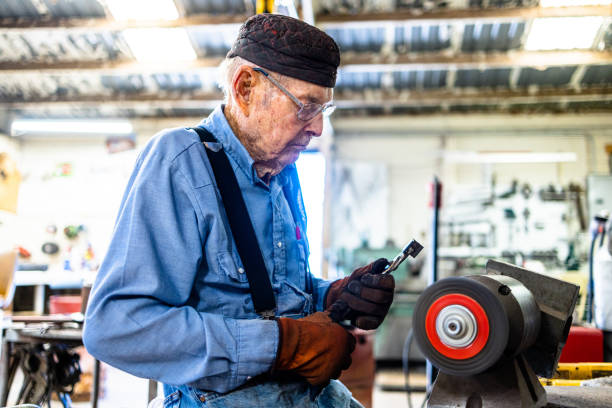
When you’re young, you can tolerate clumsy grips and a bit of numbness. Later, those same stresses create chronic pain. Welding gloves protect skin from heat, sure, but they also change how you hold tools, how you transfer force, and how long you can work without fatigue. A glove that’s “just hot-proof” isn’t enough; ergonomics matter.
If you wear the wrong welding gloves, you’ll compensate by gripping harder, bending your wrist awkwardly, or working slower—all of which increase strain. Smart glove choice reduces those secondary injuries.
Key Features Older Makers Should Prioritize
Not all features are equal. Here are the ones that matter most for hands that need a little kindness.
- Fit and ease of donning: gloves that slide on and off easily reduce fumbling. A slightly looser cuff or design with a pull loop helps. Older hands often lack the dexterity for tight, fiddly fits. A pair of welding gloves that’s easy to don keeps you in the flow.
- Padded but responsive palm: you want leather that absorbs shock but still lets you sense edges. Excessive bulk kills finesse—which leads to over-gripping. Half-leather constructions sometimes strike a good balance for extended handiwork.
- Long cuff for confidence: a long cuff protects forearms and reduces the need for awkward protective maneuvers. When you don’t have to guard your sleeve, you move more naturally.
- Breathable lining and moisture control: sweaty hands are slippery hands. Look for liners that wick. Dry liners preserve both grip and the insulating, heat-resistant properties of the glove.
- Low-resistance seams and ergonomic thumb placement: seams that don’t bite into joints make a world of difference after an hour at the bench.
A few seconds picking the right pair translates to hours of comfortable work.
Welding Glove Styles Suitable for Elderly Makers
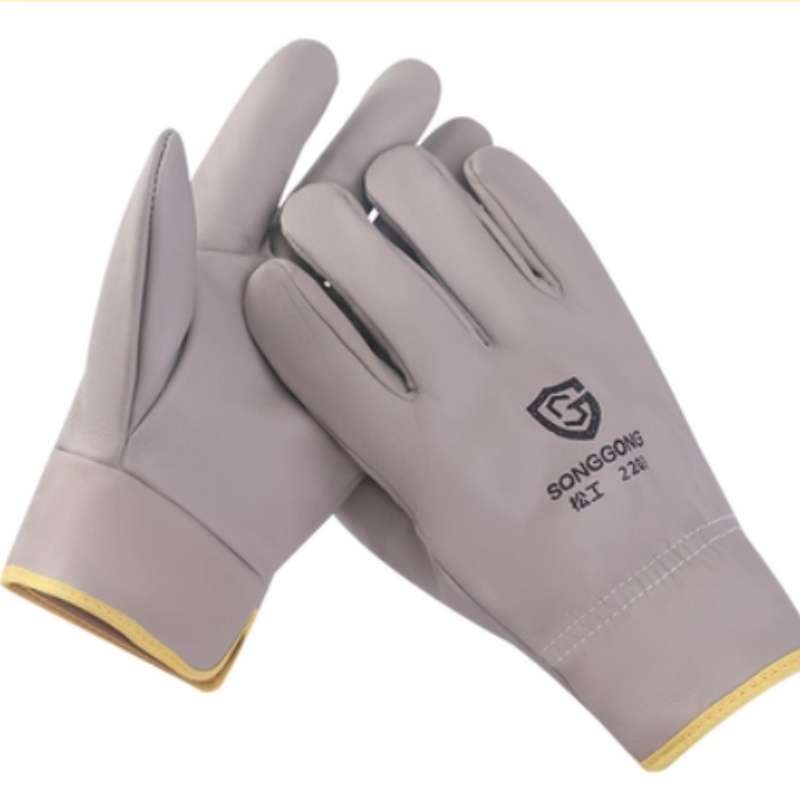
- 10-inch Unisex Cowhide Leather Welding Gloves—the long cuff is a big plus here. The cowhide and cotton lining provide decent heat-resistant protection, while the wider fit helps older hands don and doff faster. Use these for handling hot parts or short, intense tasks.
- Half Leather & Leather Palm Gloves—for longer sessions where dexterity matters, these deliver grip and control without excessive bulk. They’re particularly good for repetitive tasks where finger fatigue would otherwise set in.
Rotate between the two depending on the task: long cuff cowhide for hot handling; half leather for fitting and finishing.
Technique Tweaks That Reduce Strain
Small changes in how you work matter.
- Use two-handed grips wherever possible. Let the forearm, not just the fingers, carry the load.
- Position tools to minimize wrist deviation; a neutral wrist position reduces tendon stress.
- Pause for a 60-second stretch every 20–30 minutes: open the fingers wide, circle the wrists, and flex the forearms. These micro-breaks reduce cumulative load and keep your welding gloves from being a crutch.
- Practice “tap-and-place” instead of trying to hold hot parts longer than the glove’s dwell time. Move quickly, then let go.
These are tiny habits, but they compound into months and years of healthier hands. See here how welding gloves affect your grip strength, fatigue, and long-term comfort.
Care and Maintenance That Keep Gloves Accommodating
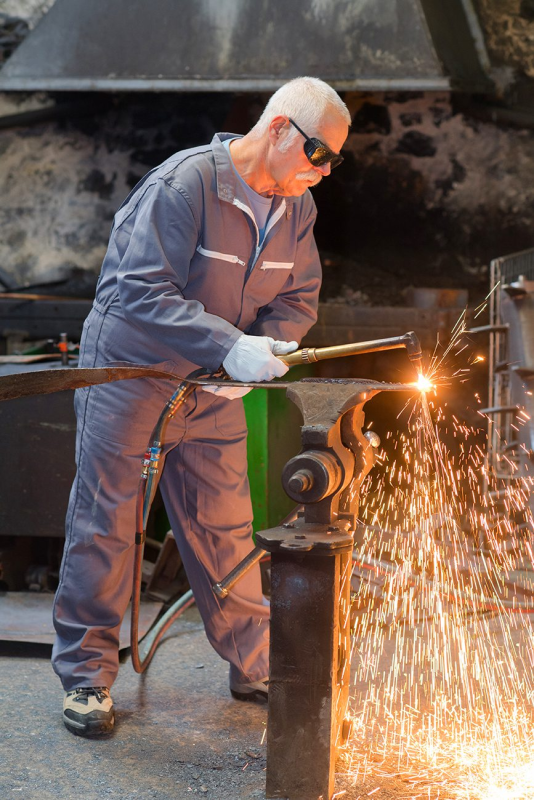
Older makers benefit from gloves that remain supple and consistent.
- Dry liners thoroughly after use. A damp liner becomes a slipping hazard and accelerates wear.
- Condition cowhide sparingly. Too much oiling makes leather greasy; too little leaves it brittle. A light conditioner every few months keeps the leather flexible and forgiving.
- Inspect seams and thumbs—replace or repair before a failure forces an emergency swap mid-task.
Maintaining your welding gloves keeps their ergonomic benefits intact longer.
Small Shop Upgrades That Help Too
A few modest investments reduce strain more than another pair of gloves.
- Tool holders at elbow height so you don’t reach or twist.
- Magnetic trays to stabilize hot parts, so you don’t need a death grip.
- Longer-handled tongs to keep hot items at a safer distance while using gloves as short-term aids.
Combine these with glove choices, and you’ve got a truly hand-friendly setup.
A Final, Frank Note
Aging hands don’t mean giving up craft. They mean being smarter about gear and habits. Welding gloves are more than thermal armor; they’re a tool for sustaining a lifetime of making. Pick pairs that are easy to use, easy to care for, and that support better technique. Swap, rest, and tune your workflow. You’ll get more done, with less pain, and that’s the whole point.
Shop welding gloves with long cuffs and leather comfort—designed for safer, easier handling.