
There’s a little thrill in borrowing a rugged pair of welding gloves to flip a lava-hot grill grate. Practical? Often. Smart? Depends. This post walks through the hygiene, safety, and practical etiquette of using the same welding gloves for both shop work and backyard cooking. I will try to use simple and easy-to-understand technical terms to provide you with specific steps that you can take tonight.
Why This Matters: Heat Protection ≠ Food Safety
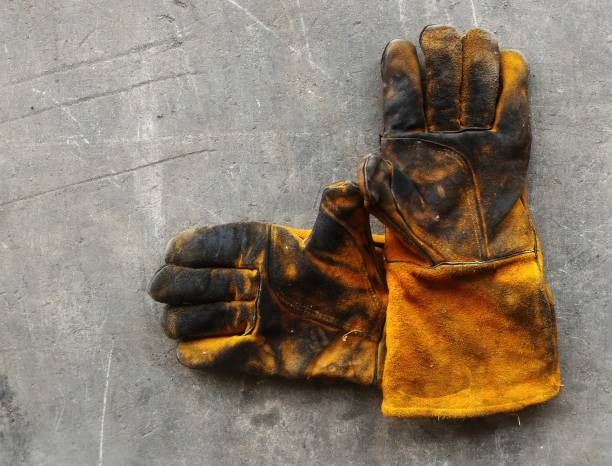
Most folks think about welding gloves purely as thermal armor. That’s right! They are designed to be heat-resistant and block sparks. But heat resistance doesn’t address oils, metal filings, chemical residues, or soot that cling to glove fibers. Those residues can be an unpleasant and unhygienic surprise when you reach for a burger spatula.
The problem is two-fold: contamination risk and the false confidence a glove gives you. A glove that looks solidly protective for handling hot coals might carry residues you would never want near food.
Quick Rules of Thumb
- Never use the same pair for raw food handling and dirty metal work. Treat welding gloves like you would work boots; some are suitable for outdoor use, while others are suitable for kitchen use.
- Keep a clean “guest” or “kitchen” pair (bright colors help) specifically for BBQ and serving. The 24 cm Welding Protective Leather Gloves make an obvious candidate: they’re visible, inexpensive, and easy to set aside for food-related tasks.
- If welding gloves become contaminated with grease, paint, or heavy soot, their use in any work involving contact with food should be stopped immediately. Furthermore, the work should not only be stopped immediately but also indefinitely. Cleaning may remove surface grime but not microscopic oil residues.
Two-Gear Approach: Separate, Simple, and Effective
You don’t need an arsenal. Two pairs cover most scenarios:
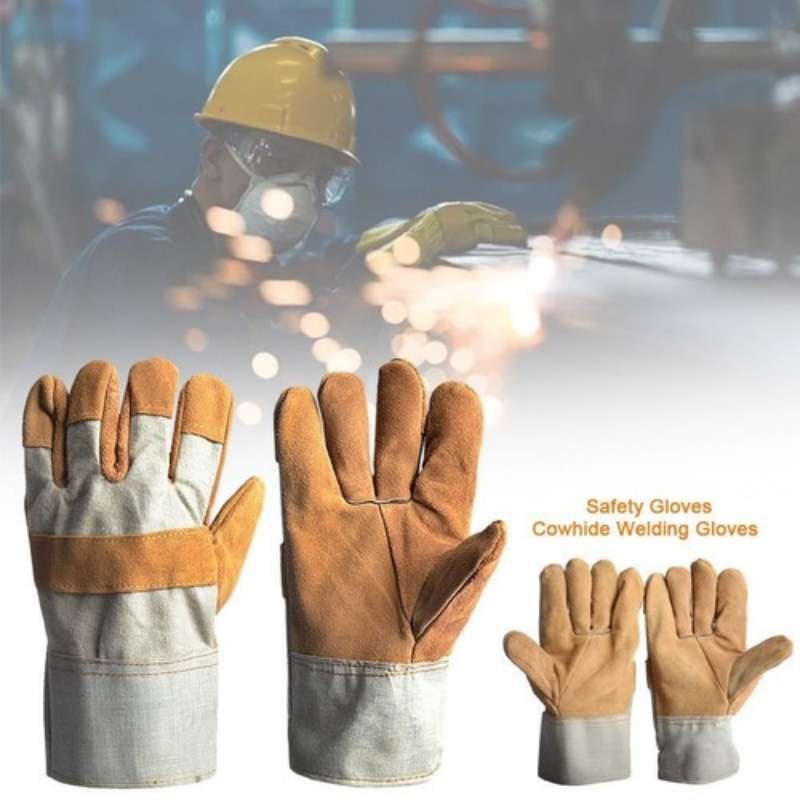
- Leather Cloth Welding Gloves: keep these in the shop. Their leather palms grip tools and resist abrasion during MIG and stick tasks. Use them for metal prep, tack welding, and any oily jobs.
- 24 cm Welding Protective Leather Gloves: dedicate a clean set for BBQ duty and serving. Their bright color signals “food pair,” making it less likely someone grabs them for greasy work.
This is not fuss. It’s a small social and organizational tweak that avoids contamination and preserves glove function. In addition, guests enjoy a lively atmosphere. Providing clean gloves during the barbecue is both practical and thoughtful.
Cleaning: What Works, What Doesn’t
If you must clean a pair of welding gloves, follow safe steps, but be realistic: deep-embedded oils and varnishes are not leaving easily.
- Brush off loose soot and metal dust outdoors.
- Wipe leather palms with a damp cloth and mild soap; don’t soak. Over-wetting leather weakens it.
- Air dry away from direct flame or high heat. Leather should not be oven-dried.
- Machine washing is sometimes acceptable for cloth gloves, but be aware that machine washing may cause leather parts to shrink or harden.
If in doubt, retire contaminated gloves from food tasks and keep them reserved for dirty shop duties.
Storage & Labeling: The Small Systems That Save Headaches
Designate two clearly marked bins or hooks: “Shop” and “BBQ/Clean.” Use a bright tape or tag on the kitchen pair and train everyone in the household that the kitchen pair never touches grease, paint, or grinders. It’s low effort, high impact.
Handling Transitions: Practical Habits to Adopt Now
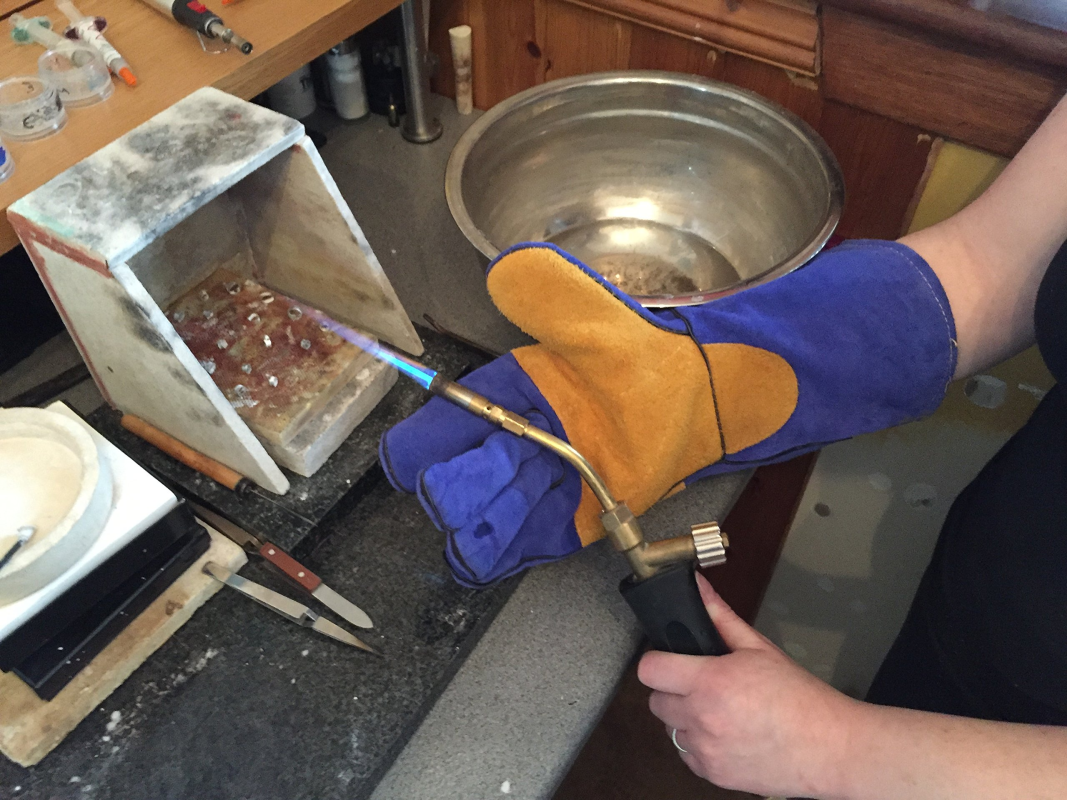
- After metalwork: remove welding gloves, wash hands, and change into kitchen gloves before approaching food.
- After grilling: if gloves smell of smoke or have an oily residue, don’t assume the smoke is harmless. Dispose of them in the store’s trash can.
- For guests: provide clean gloves or dedicated service gloves. It’s better to be courteous than to take risks.
These micro-habits require only a small investment of time and can prevent embarrassing and avoidable cross-infection.
Final Thoughts
Using welding gloves across contexts is tempting; they’re tough, look cool, and they work. But toughness isn’t the same as sanitary. Two pairs, clear labels, and a few minutes of cleaning or swapping will cover 99% of real-world cases. Keep work gloves in the shop, keep serving gloves clean and visible, and you’ll preserve both safety and the simple pleasure of sharing a great meal.
Discover welding gloves designed for comfort, durability, and heat protection.