
If you’re looking for one versatile pair of gloves that can handle a range of small-to-medium jobs—from tinkering on your car to flipping a sizzling grill lid—a half-leather welding glove, specifically the leather palm style, is worth a closer look. Think of it as a practical compromise: it offers more dexterity than a bulky gauntlet yet provides better heat resistance and durability than a purely fabric glove. In short, it’s comfortable, forgiving, and surprisingly adaptable.
Before you grab the first pair you see on a shelf or click “add to cart,” there are a few things you’ll want to know about choosing the right glove for your needs. From the materials and fit to care and task-matching, a little attention now goes a long way toward safer, more enjoyable work later.
Who Benefits Most from Half Leather Styles?
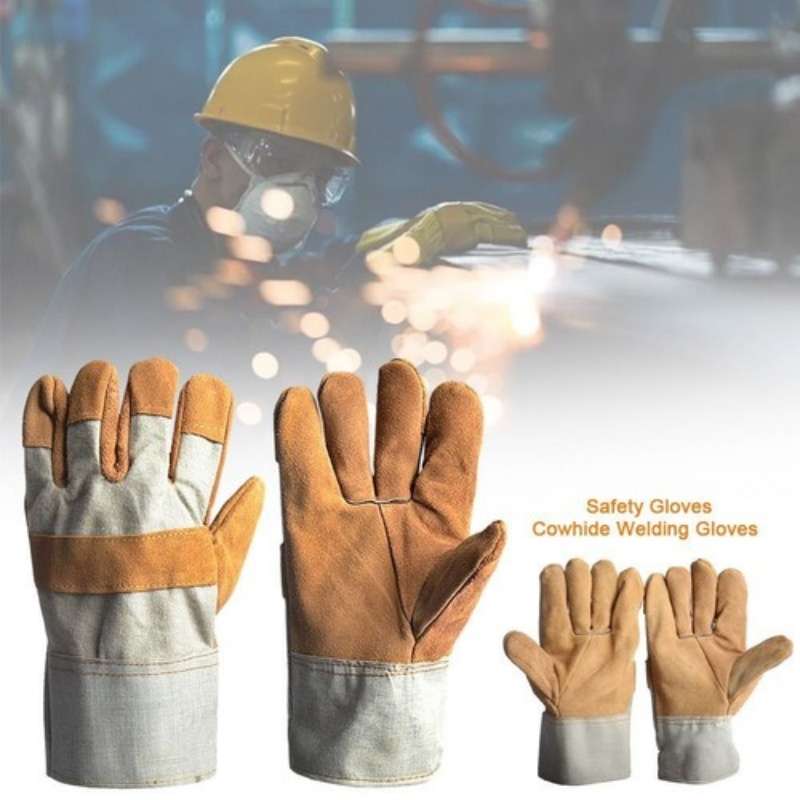
Half-leather gloves aren’t one-size-fits-all, but certain groups of users find them especially useful.
- Home mechanics and weekend welders: If you spend time tinkering on engines, swapping brake pads, or doing light welding projects, you’ll appreciate the fingertip control these gloves offer. Unlike thick gauntlets, your fingers retain enough sensitivity to handle small bolts, screws, and clamps without fumbling.
- Shared family workshops: When gloves have to move between different hands, a half-leather style is forgiving. Easier to size and slip on for quick tasks, these gloves are perfect for families or friends sharing tools.
- BBQ and outdoor cooks: Handling hot grates, flipping coals, or moving a grill lid can be surprisingly hazardous. Half-leather gloves give you just enough heat protection to reduce burns while still letting you maneuver freely.
That said, these gloves are not ideal for full-day heavy welding or forge work. They’re a middle-ground solution: superb for MIG touch-ups, light stick welding, maintenance around the shop, or garden and yard work. They bridge the gap between comfort and protection in a way few other gloves do.
The Anatomy That Matters
Before you pull the trigger, spend a few moments looking at the glove’s build. It’s in the details that performance lives.
Palm Material and Grip
The leather palm is where protection meets practicality. A good leather palm gives abrasion resistance exactly where you need it, shielding against hot edges, rough metal, and occasional sparks—all without completely dulling your sense of touch.
- Too thick: Stiff, protective leather can feel like wearing a thin brick. You’ll survive sparks, but your dexterity suffers.
- Too thin: Leather that’s too soft won’t last; expect holes or wear spots sooner than you want.
The ideal is supple yet sturdy—think of leather that flexes with your hand without losing its shape or protective qualities.
Back of Hand and Breathability
Many half-leather welding gloves pair a leather palm with a fabric back. Why? Breathability. Hands get sweaty fast when working, especially in summer or near heat sources. Sweat can make your hands slip, which is not only uncomfortable but also dangerous.
A glove that allows airflow keeps your hands drier, your grip stronger, and your mistakes fewer. It may seem like a small comfort, but after a few hours in the shop or at the grill, it matters a lot.
Stitching and Reinforcements
Check where the glove takes extra abuse: thumb patches, palm reinforcements, and seams. Gloves with Kevlar stitching or reinforced thumbs last significantly longer than the bare minimum.
Remember: a single weak seam can fail at the worst moment—and when sparks fly or tools slip, that’s exactly when you don’t want it to happen.
Cuff Length and Coverage
Half-leather gloves come with shorter cuffs than full gauntlets, but length still matters. Even a few extra inches can prevent sparks or hot debris from sneaking down your wrist.
- For general use: 3–4 inch cuffs cover light welding, shop cleanup, and grilling duties.
- For higher heat tasks, go longer, or consider a different glove type entirely.
Cuff coverage is a small detail that can save a finger or two.
Fit Rules: Stop Guessing, Start Measuring
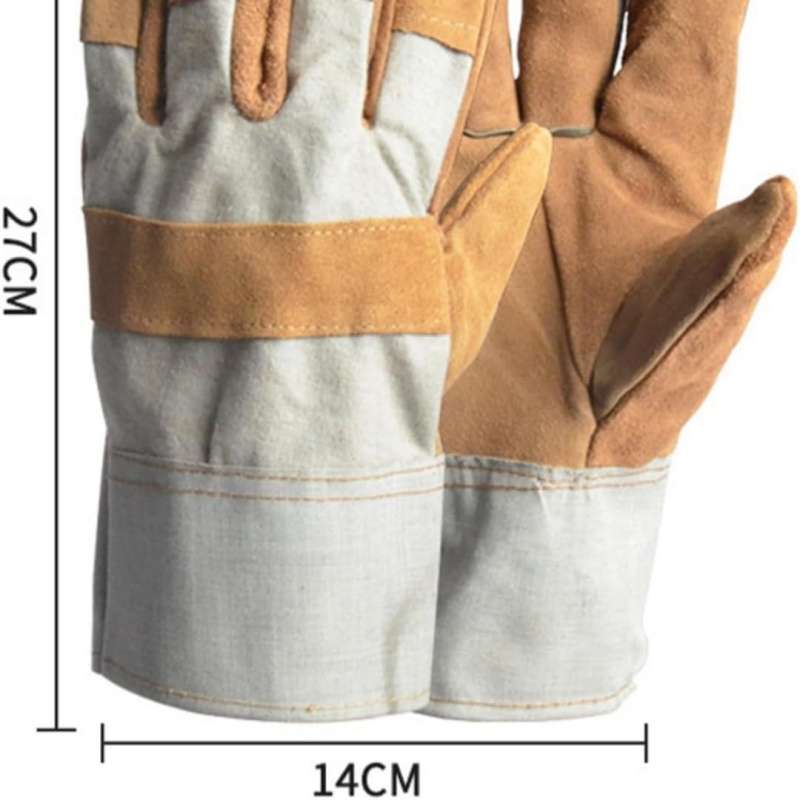
Sizing isn’t glamorous, but it’s critical. Gloves that don’t fit ruin both comfort and control.
- Measure across the knuckles with your hand flat (don’t include the thumb).
- Compare your measurement to the manufacturer’s chart—not your gut feeling.
- Between sizes? Opt for the larger size for longer tasks; choose the smaller one if you need precision.
- Try gloves on with the jacket or sleeves you usually wear; overlapping cuffs matter.
A properly sized welding glove doesn’t just feel better—it reduces fatigue, improves control, and keeps you safer. A few minutes of measuring now prevents hours of frustration later.
Match the Glove to the Task
Quick TIG Cleanup and Light Touch-Ups
For small TIG projects, you want finger precision. Thin-palm half-leather gloves are ideal here. They provide light protection while allowing you to manipulate small parts without awkwardly losing grip. These gloves won’t replace full TIG gloves for all-day work, but for a quick job or touch-up, they’re just right.
MIG General Work and Maintenance
For daily shop tasks, like MIG touch-ups, handling spatter, or general repair, a midweight leather palm glove gives solid protection. Durable enough to withstand repeated handling, these welding gloves are a solid daily driver. They balance dexterity, comfort, and heat resistance without being overkill.
Backyard BBQ and Firewood Handling
Half-leather welding gloves shine outside the shop, too. Handling hot grill lids, flipping coals, or moving firewood is safer than with plain cloth gloves. They’re versatile, heat-resistant enough for quick exposure, and durable enough to double as general-purpose yard gloves. Think of them as your all-in-one outdoor companion.
Care Tips—Small Habits, Big Difference
Gloves repay attention. Treat them right, and they last longer; neglect them, and you’ll be buying replacements sooner than expected.
- Air them out after each use: Damp liners ruin grip and make your hands miserable.
- Clean lightly: A damp cloth is usually enough. Avoid heavy oils before exposing gloves to heat—oils weaken leather when heated.
- Condition sparingly: only when leather feels dry, and always use products designed for heat-working gloves.
- Inspect seams and patches: Fix small problems immediately. A tiny repair can buy weeks of safe, comfortable use.
A few minutes of care make a noticeable difference. Trust me: your hands will thank you.
Want to make your gloves more durable and comfortable? 👉 [Check out our complete guide to welding glove care.]
When to Retire a Half-Leather Pair
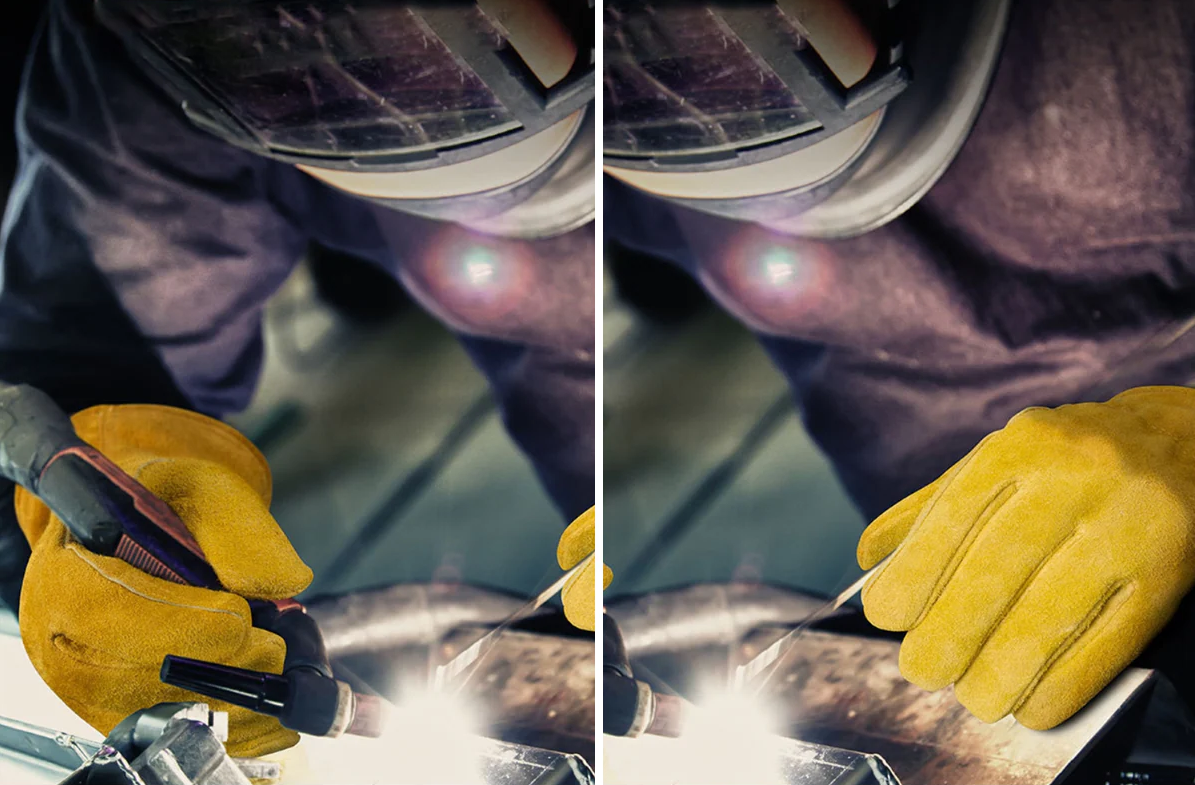
It’s better to replace a glove a bit early than to push it too far. Look for these warning signs:
- Leather thinning or developing holes in the palm.
- Seams opening at the thumb or index finger.
- Inner lining compressing or smelling burned.
- The fit is changing because the leather has stretched too much.
When any of these appear, retire the gloves from hot work. Keep them for low-risk tasks if you like, but don’t risk injury where sparks or heat are present.
Small Trade-Offs—Be Realistic
Half-leather welding gloves aren’t perfect. They sacrifice some fingertip fineness to gain durability and airflow, and they can’t match the heat resistance of double-layer gauntlets or full cowhide welding gloves.
But here’s the truth: if you need one versatile pair that can handle a mixed day of TIG touch-ups, shop repair, and backyard grilling, half-leather welding gloves are often the most practical choice. They’re flexible, forgiving, and far more comfortable than you might expect.
Final Thought
If you want a single daily-driver pair that covers a wide range of tasks without fuss, consider a half-leather welding glove seriously. Measure carefully, check stitching and reinforcements, inspect cuff length, and be honest about what you expect it to do. Invest a few minutes in fit and a few moments in care. Your hands will thank you—in the shop, at the grill, and in the backyard. After all, hands matter. Treat them like it.
Get the grip, heat resistance, and comfort you need—choose your half-leather welding gloves!