
We all nurse gear until it betrays us. A torn cuff, a thin spot, a seam that’s gone soft—these are tiny betrayals. With a welding glove you can ignore them and get lucky. Or you can read the signs and act before luck runs out. This piece lays out a clear, human-forward way to judge the life of your welding gloves, with simple checks, a DIY scoring system, and smart disposal ideas (so your leather doesn’t slowly rot in a landfill).
Why Lifespan Matters
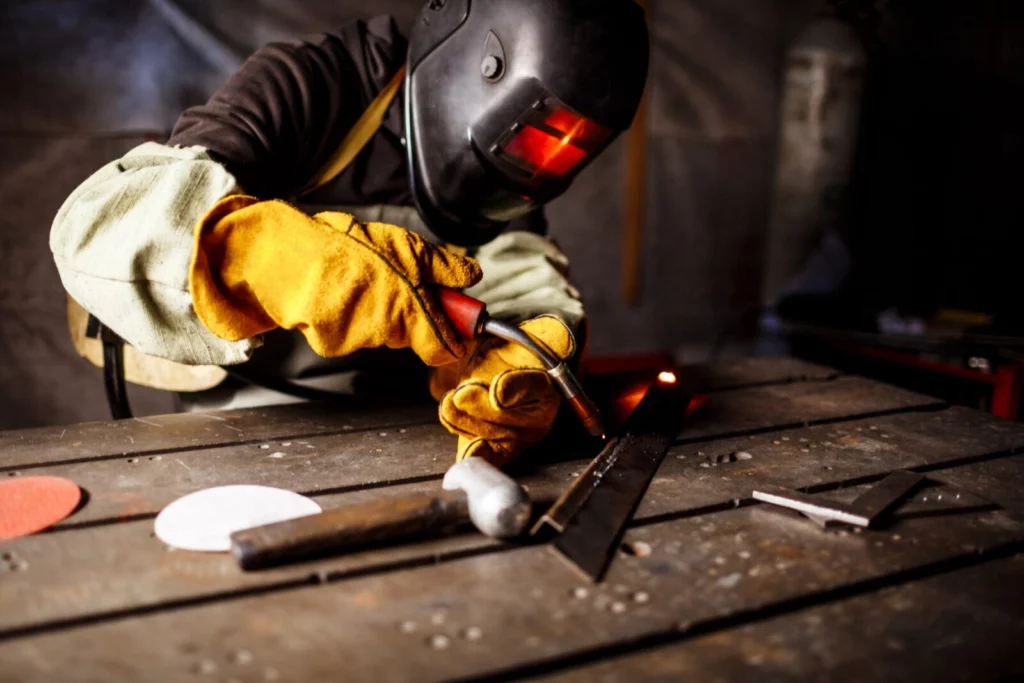
People often say, “Replace when it’s worn.” Vague. What counts as “worn”? One welder’s hero is another’s hazard. Plus different jobs (TIG vs. MIG vs. stick) stress a welding glove in unique ways. A glove that’s fine for short TIG work may be unsafe for heavy stick jobs. So we need a scale—a little protocol you can run through in sixty seconds before a shift.
The Four-Point Check: Quick Before-Shift Assessment
Do this every morning. It’s fast and slightly ritualized, and it preserves fingers.
- Surface Integrity—Look for holes, thin leather, and blackened spots. Pinch the leather; if it flexes like paper, downgrade.
- Seams and Stitching—Tug gently at critical seams (thumb, index) and inspect for fray. A single broken stitch near the seam can mean a seam failure mid-weld.
- Liner and Insulation—Feel inside. If the inner padding compresses thin or smells burned, it’s lost insulating power. Especially important for heat-resistant needs.
- Cuff and Overlap—Check that the cuff still overlaps the jacket or sleeve. A short cuff may leave the forearm exposed in long, hot tasks; for long runs, cuff length matters.
If you score 3–4 passes, the glove is good for the day. Two or fewer? Time to rotate out.
A Simple Scoring System
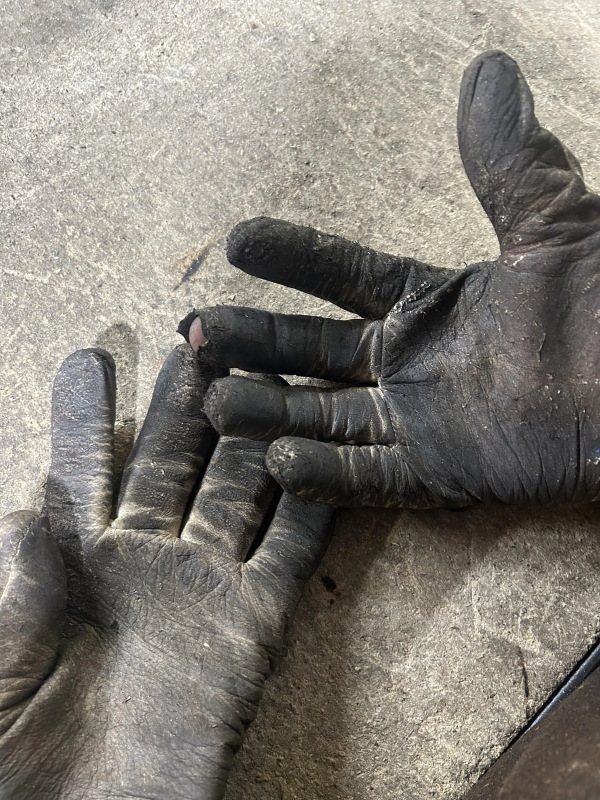
Assign 0–2 points per check above (0 = fail, 1 = pass but questionable, 2 = solid). Total possible = 8.
- 7–8: Green. Welding gloves safe for normal duty.
- 4–6: Yellow. Use for lower-risk tasks (short MIG runs, cleanup).
- 0–3: Red. Retire from critical or hot work.
This is not rocket science. It’s a practical triage that keeps people thinking instead of hoping.
Damage Patterns and What They Tell You
Different jobs leave different fingerprints on a glove.
- TIG tends to cause fingertip loosening and sweat saturation; sensitivity loss shows up first.
- MIG creates spatter burns and hard tack marks; look for hard glazing that masks thin leather.
- The stick wears the cuff and thumb seam hardest; heavy force shifts stress to seam lines.
Understanding this helps you judge whether a glove’s remaining life is “good for TIG” or “too risky for stick.”
Small Repairs That Actually Extend Useful Life
A frayed seam can be a near-term fix if you’re careful (and if workplace rules allow). Stitch reinforcement with heat-resistant thread and a conservative patch can restore service for low-risk tasks. Clean and condition leather (no heavy oils before hot work—that’s a real mistake) to maintain suppleness. These steps are about buying safe time, not turning a failing glove into a miracle.
Hygiene and Glove Rotation—Fairness and Safety
Sharing gloves is common but risky. Sweat and bacteria hide in liners. Simple practices reduce risk:
- Assign gloves per person where possible.
- Rotate gloves daily so liners dry thoroughly.
- Keep a labeled storage rack—gloves hung and aired out last longer.
This is low effort and high return. Human bodies are messy; treat gear accordingly.
End-of-Life—Disposal and Environmental Sense
Leather doesn’t vanish. If you retire a welding glove, consider reuse paths: cut it into padding for tool handles, use it as shop rags for non-food tasks, or donate it to community makers for non-thermal crafts. If landfill is the only option, remove metal fittings (they complicate decomposition). Thinking about the end of life nudges better care during the glove’s working life.
A Short Reality Check About Replacement Cadence
No one-size number fits. Heavy daily stick welders might retire gloves every few months. A hobbyist doing TIG occasionally may keep a pair for years. The point: be intentional. Treat welding gloves like safety investments, not disposable props. Routine checks, small repairs, rotation, and clear retirement criteria make the difference between a saved day and a burned hand.
Closing—Practice Beats Rules
Gear guidelines are fine, but practice and attention win. Run the four-point check. Use the scoring system with your crew. Make glove health part of the morning ritual. It’s quick. It’s human. And it keeps hands working longer, safer, and with fewer surprises.
One last note—leather, properly cared for, remains reliable. It’s not indestructible. Read the signs. Respect the glove. Your fingers will thank you (and they won’t be very polite about not thanking you later).
Stay safe. Stay steady. Discover Welding Gloves Built for Pros.