
People who weld don’t just choose welding gloves for protection. They choose them for confidence, habit, and identity. This article pulls together short, real-world user stories and the practical lessons they teach—the micro-decisions that shape safety and workflow.
The Morning Ritual That Saved a Hand
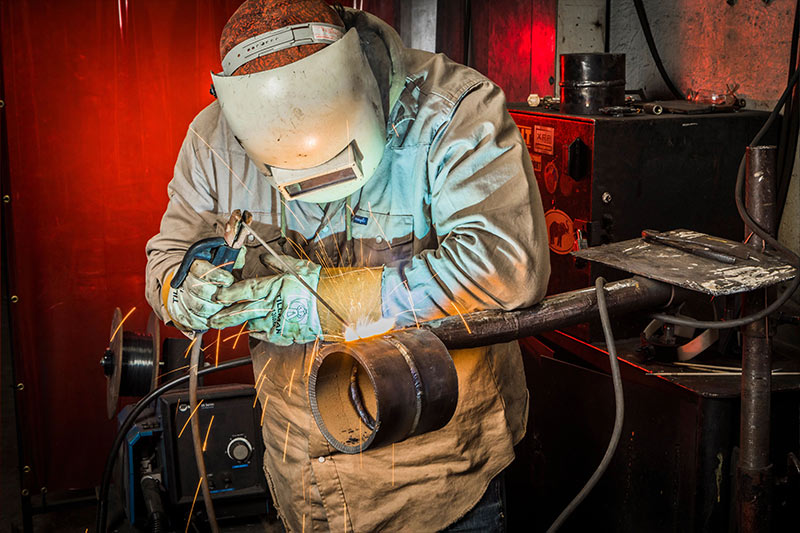
Fast-forward: dawn at a small metal shop. Marco, an experienced welder, follows one rule: he must check his welding gloves before starting work. He runs a five-second ol’ test: flex, tap the seam, sniff the liner, and check the cuff overlap. Once, a cracked seam would have gone unnoticed; Marco’s ritual caught it. He swapped to another pair and avoided a nasty burn.
Therefore, some small pre-job habits are important. Your welding gloves will only provide protection if they are intact and the right size.
When Culture Trumps Checklist
At a community makerspace, etiquette matters more than a manual. There’s a culture of lending welding gloves, but with rules: a bright pair stays “kitchen or BBQ clean,” and another pair is strictly for grinders and oil. Members mark the glove racks with colored tags to avoid cross-contamination. The gloves become social objects: people ask, learn, and respect the code.
Lesson: social norms can enforce safety faster than signs on a wall. Treat welding gloves as communal property with boundaries.
A Mistake That Taught a Crew to Rotate Gear
A small fabrication shop learned this the hard way. One veteran wore the same heavy welding gloves all day during a long MIG job. By hour six he was sweaty, the glove liner was compressed, the grip had slipped, and a finished panel had a skipped bead. The shop instituted a rotation: heavy gloves for hot handling and lighter leather-palm gloves for long seams. Productivity rose. Errors fell.
Lesson: the right welding gloves for the job reduce fatigue and improve quality. Rotate when work demands change.
The Backyard Story: Making Hospitality Safer
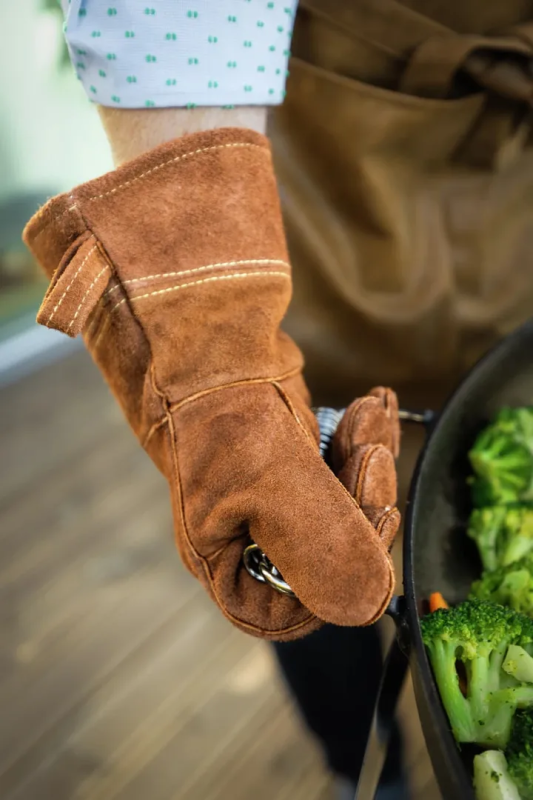
An amateur cook who’s also a hobby welder keeps a bright, inexpensive pair of welding gloves for backyard use. At a summer cookout, he handed a guest the clean pair to move a hot grill grate; the guest felt included and safe. After the party, the glove went back on its “BBQ” hook, untouched by tools. It’s practical and kind of fun.
Welding gloves can be part of hospitality. Just keep them separate for different purposes and keep one pair specifically for food-related uses.
The Apprenticeship Test That Matters More Than Grades
A welding instructor made students do an odd thing: perform a TIG setup while wearing the thicker welding gloves they would normally choose for heavy work. The aim wasn’t to punish but to teach adaptability. Students calibrated their movements, slowed down, and learned how to regain precision with reduced fingertip feel. That paid off when they switched to thinner gloves later—muscle memory had already adjusted.
Training with imperfect equipment prepares welders for the variety of changes that can occur in real-world work. Welding gloves also become part of the skill acquisition process.
Quick Threads of Practical Advice from These Stories
- Inspect seams and liners before every shift. A small tear grows fast.
- Keep at least two types of welding gloves on hand: a heavy, long-cuff pair for hot handling and a lighter palm for prolonged work.
- Use visible, dedicated pairs for non-shop tasks like BBQs. Don’t mix.
- Build micro-rituals: tap tests, quick flex checks, and a two-minute airing break mid-shift.
- Teach apprentices to weld in both heavy and light welding gloves so they learn adaptation.
These are small, practical moves. They come from people who get their hands dirty and want to keep them working.
Two Real Gloves, Two Different Jobs
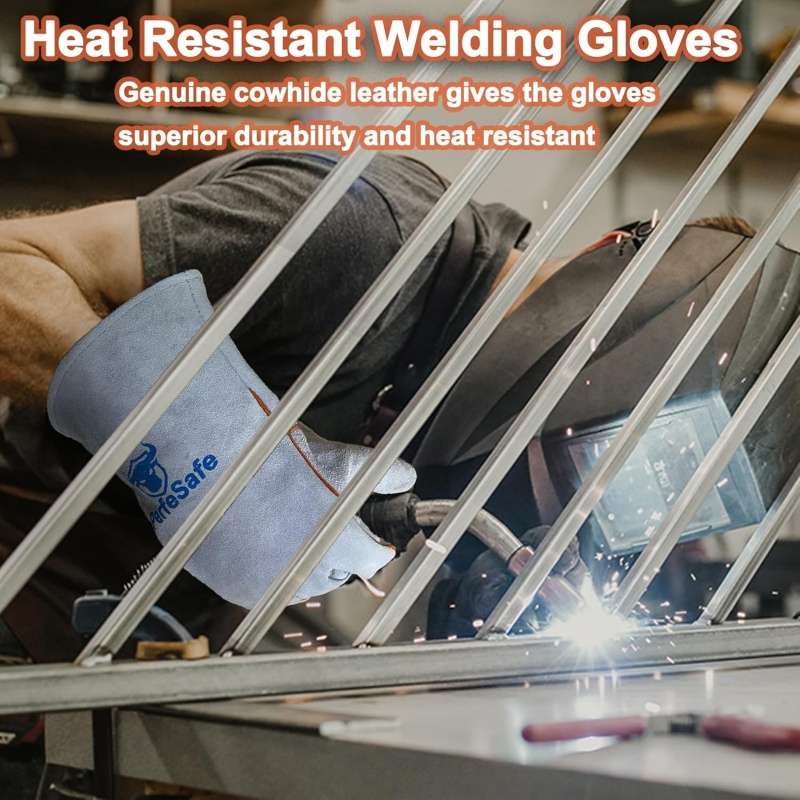
Think of gloves as teammates, not duplicates.
- The Double-Layer Cowhide High-Temperature Protective Gloves are the heat specialists—crafted from full cowhide with a cotton lining that endures up to 932°F (500°C). Their long cuffs shield the forearms during arc bursts, furnace work, or any moment when heat demands full respect. They’re built for short, intense contact where safety is non-negotiable.
- The 24 cm Yellow Protective Leather Welding Gloves play a different role. Bright, flexible, and affordable, this appliance is suitable for most adults and allows for safe and easy completion of quick tasks such as sanding, light welding, or backyard barbecues. Their visibility prevents mix-ups, and their comfort invites sharing in workshops or cookouts.
Together they show that “best” doesn’t refer to a single glove, but rather a pair suitable for each stage of the job: one glove for putting out fires and the other for keeping workflow and social rhythms running smoothly.
Closing: stories change behavior more than specs
Technical data helps. But stories stick. When you hear a peer’s near miss, you remember the habit. When you see a community adopt a color system, you borrow it. While welding gloves are certainly practical, they are also social goods that influence the formation of work styles.
So build small rituals, rotate your pairs, and treat gloves like active parts of your workflow. The next time you put on a pair, think about why you picked them. That little pause could be the difference between a good day and a hospital visit. Shop the best welding gloves to stay safe and comfortable during every weld.