
Hands down: gear lasts when you treat it right. A neglected pair of welding gloves turns brittle, traps odor, and becomes unsafe. This guide outlines a seasonal maintenance procedure: spring cleaning, summer airing, fall preparation, and winter storage. This ensures the welding gloves are ready for use in the workshop, at the barbecue, or in forging workshops at any time.
Why Seasonal Care Matters More Than Daily Wiping
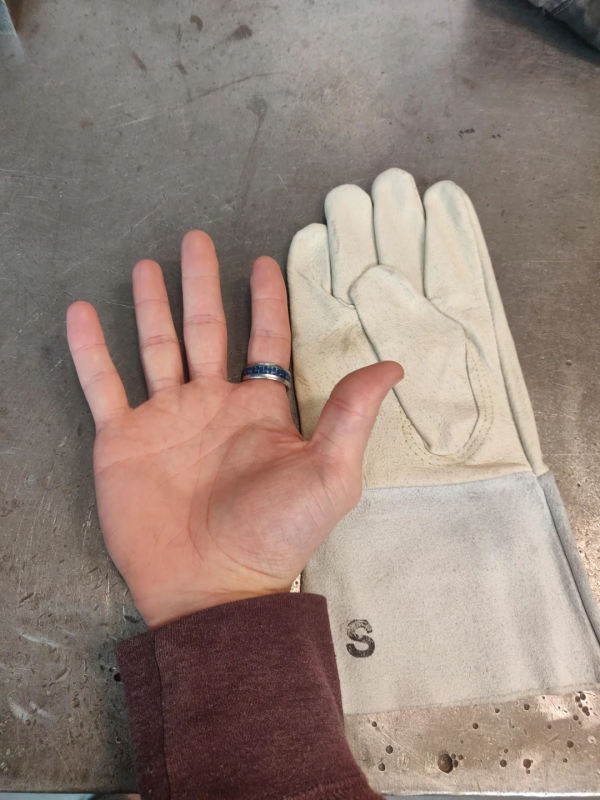
You probably wipe off visible soot or flick out metal bits. Good. But seasonal care goes deeper. Over months, liners compress, leather oils oxidize, seams loosen, and microscopic metal particles embed in fabric. Those slow changes reduce protection. A seasonal routine is like service for a car: small effort, big risk reduction.
Welding gloves are not disposable. Treat them as safety-critical kit.
Quick Audit: What to Check Each Season
Perform this audit every quarter. It takes five minutes.
- Surface: look for cracks, glazing, or hard spots on the leather.
- Stitching: check thumb, index, and cuff seams for fray.
- Liner: press inside to feel for compressed padding or odd smells.
- Fit: try it on and see if your fingertips touch the seams or if there are any wrinkles.
- Cuff overlap: does the cuff still cover the jacket sleeve?
Make notes. Small details predict failures.
Spring Refresh: Deep Clean and Conditioning
After a damp winter, leather needs attention.
- Brush off loose debris outdoors.
- Wipe leather with a damp cloth and mild soap; don’t saturate.
- Air dry in a cool, shaded place. Never use an oven to dry. Trust me, the leather will shrink and crack.
- Apply a light leather conditioner sparingly; test on an inconspicuous spot first.
- Replace cotton liners if they smell sour or feel compacted.
The Double-Layer Cowhide High-Temperature Protective Gloves respond well to gentle conditioning because of their thick leather. Condition too heavily, and you risk a greasy surface.
Summer Airing: Fight Moisture and Odor
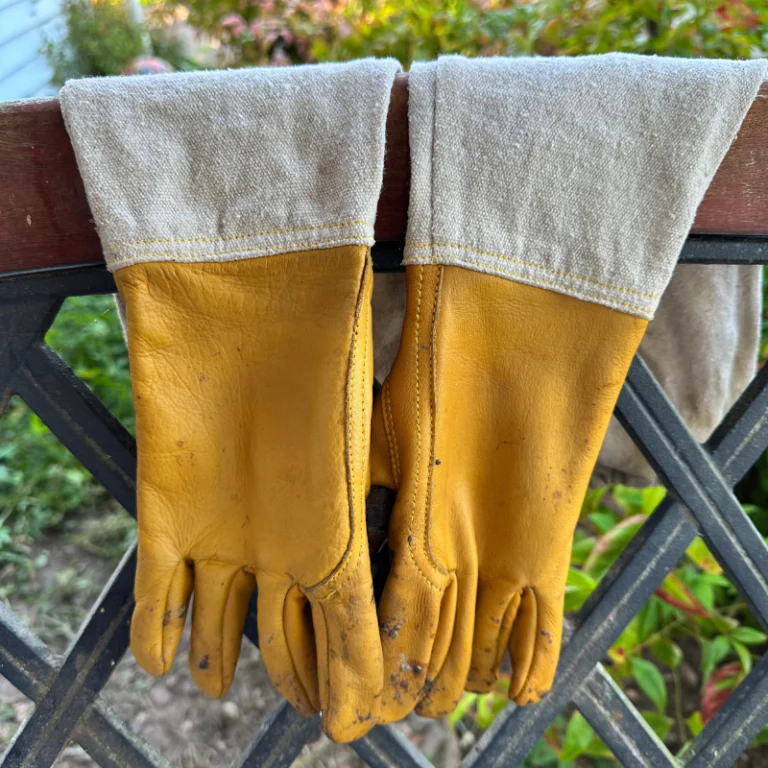
Hot months do two things: sweat and microbial growth. This is when liners betray you.
- Rotate pairs so liners dry fully between uses.
- Use a spare set if you work long shifts.
- Sunlight helps sanitize, but don’t leave leather baking in direct sun for hours; it dries out the hide.
- For odor: sprinkle cornstarch or activated charcoal inside, leave overnight, then shake out. Safe, effective, and low fuss.
If you have lighter pairs like the Yellow Welding Protective Gloves, give them priority for hot, repeated tasks. They are more breathable and suitable for long daytime work.
Autumn Prep: Stitch Checks and Small Repairs
Before heavy-season work, fix small issues.
- Reinforce loose seams with Kevlar heat-resistant thread if you can sew.
- Patch thin palm spots with leather patches glued and stitched.
- Replace worn toggles or hangers so gloves store properly.
A reinforced thumb patch can double a glove’s useful life. Small repair, big effect.
Winter Storage: Protect from Cold and Pests
When you store:
- Clean and lightly condition leather first.
- Stuff with acid-free paper to hold shape.
- Store in a breathable cotton bag, not plastic. Trapped moisture equals mildew.
- Keep away from rodents; leather smells like food to some critters.
Long-term storage without prep guarantees brittle leather when spring arrives.
Fast Repairs You Can Do in the Shop
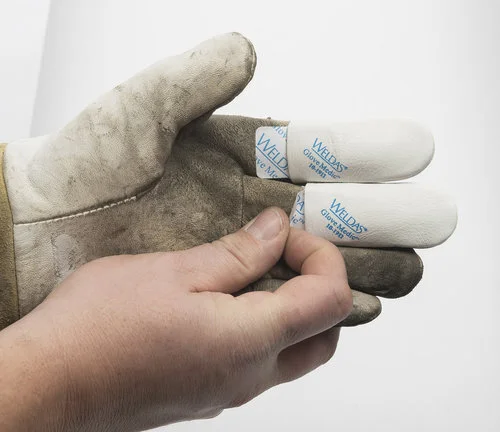
You don’t need a cobbler for every tear.
- Small seam frays: stitch from the inside with Kevlar thread.
- Thin spots: glue a patch and stitch around it.
- Torn liner: swap with a fresh liner, or stitch a cotton patch temporarily.
Document the repair date. If a glove accumulates three repairs in a season, retire it from hot handling and use it for cleanup instead.
When to Retire and Recycle
Retire a glove when leather is cracked through, when liner insulation is gone, or when seams have repeatedly failed. Don’t forcibly discard them, and even more importantly, don’t throw away useful materials. Make good use of them:
- Cut into rags for non-food cleanup.
- Use leather pieces as tool handle wraps.
- Donate intact but cosmetically worn pairs to community makerspaces for non-thermal tasks.
Sustainability is part of good gear culture.
Small Rituals That Preserve Function
- Air gloves between uses.
- Inspect seams visually.
- Rotate pairs.
- Keep a labeled repair kit near the bench.
These tiny habits prevent emergencies.
Closing: Seasonal Care Is Practical, Not Precious
You don’t need a long manual or expensive products. A calendar, a soft brush, light conditioner, and a spare set will keep your welding gloves safe and useful for years. Regular maintenance reduces risk, saves money, and allows you to avoid unexpected malfunctions and work with peace of mind.
Treat gloves like the tools they are: maintain them, repair them, and retire them responsibly. Or get your hands on top-rated welding gloves for superior heat resistance and grip!