
You might think gloves are just safety—a thermal shield and a barrier against sparks. True. But, if you care about the look of your bead, your control during a long TIG run, or simply not dropping a part at fifty degrees Celsius, the welding gloves you choose matter as much as the torch technique you practice. This article digs into the ergonomics and human side of glove choice: fit, grip, fatigue, and how small changes to glove selection and habit can measurably improve weld quality.
Why Fit Is More Than Comfort
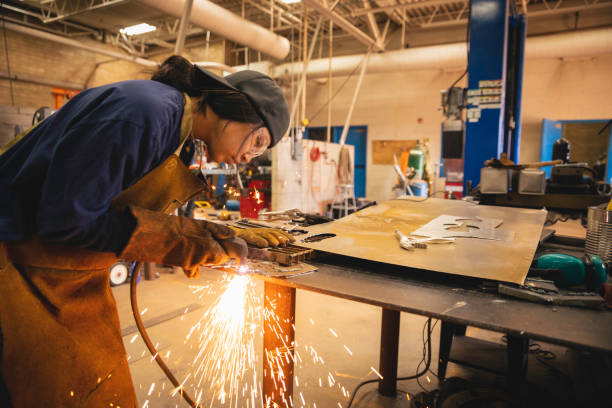
When a glove fits well, two things happen:
- Your hand moves the way you expect. The brain gets accurate haptic feedback.
- You don’t overgrip tools to make up for uncertainty. Less tension = steadier hands = cleaner welds.
A loose glove lets the hand shift inside the leather; a too-tight glove constrains blood flow and finger articulation. Both kill finesse. For precision processes that difference shows up as jagged starts, uneven bead width, and more rework, especially TIG.
The Anatomy of a Good Fit
Before you weld, put the glove on and do a quick task-specific checklist—this takes 30–60 seconds.
- Pinch test: pinch a thin-gauge piece of metal or the torch collet. Do your fingertips contact the seams? If your fingertips hit the seam, size up.
- Grip test: grip your most frequently used grinder, TIG welding torch, or pliers and simulate operating movements. Do you need to squeeze harder than usual?
- Flex test: make a full fist and then open wide. Any binding across knuckles?
- Cuff check: does the sleeve overlap the cuff comfortably? A long cuff protects forearms but should not restrict wrist rotation.
If a glove fails one of these tests, it’s not the glove for that job. Procure a different size or cut.
How Glove Choices Map to Welding Processes
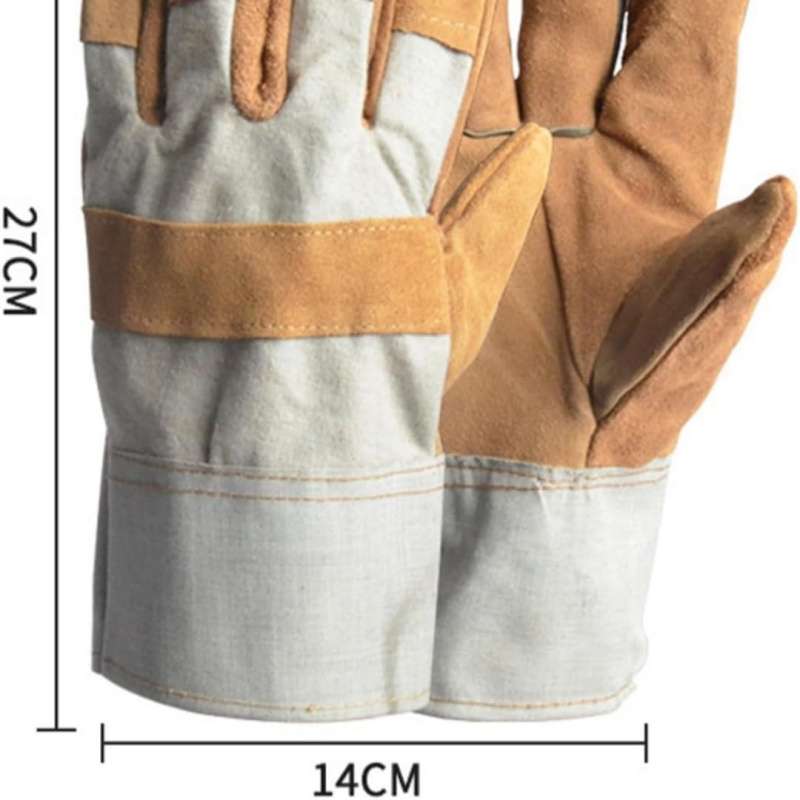
Different processes demand different balances of protection vs. feel.
- TIG: priority is tactile feedback and fine control. You’ll want a glove that minimizes bulk at the fingertips. The Leather Cloth Welding Gloves, with a softer palm and more flexible construction, often suit long TIG runs because they keep fingertip feel while offering enough protection from spatter during occasional interruptions.
- MIG: medium protection and moderate dexterity—look for gloves that balance palm reinforcement with flexible backs.
- Stick: spatter-heavy and rough—favor the Unisex Cowhide Leather Welding Gloves (10-inch) for heat bursts and splatter shielding; its longer cuff and robust hide reduce surprise burns during awkward grabs.
Matching the glove to the process reduces compensatory gripping and fatigue, improving bead consistency.
Small Adjustments That Improve Control Easily
You don’t always have to buy a new model—tiny mods and habits help.
- Add a fingertip tab: a short leather tab on the index fingertip (stitched on the outside) improves tactile contact for torch manipulation without adding bulk inside the finger.
- Use thin adhesive grip tape on the palm under the welding gloves to improve tool traction without changing the gloves’ thickness.
- Breaking in leather: softening the palm by manual flexing and gentle conditioning reduces stiffness while preserving protection. Don’t over-condition—too slick and you lose grip.
These are low-cost, reversible tweaks that give you a better “feel” in a hurry.
Fatigue, Posture, and Glove Interaction
Glove bulk affects wrist angle and forearm muscle use. A bulky palm forces compensation—your wrist may extend or the elbow may raise to get the same tool angle. Those compensations add up across a shift.
- Micro-breaks: remove gloves every 20–40 minutes for a 30–60 second wrist stretch. The hands recover, and the liners dry to the touch.
- Neutral wrist: set up the work so your wrist stays neutral while welding; a glove that forces a bent wrist will accelerate fatigue.
- Two-glove strategy: use a lighter glove for long runs and switch to the heavy cowhide pair for hot grabs. This reduces time spent in bulk and cuts fatigue.
Applying ergonomics needs thinking about welding glove use like ergonomic thinking about a keyboard—small tweaks prevent long-term wear and tear.
Seams, Seams, and More Seams—Why Placement Matters for Feel
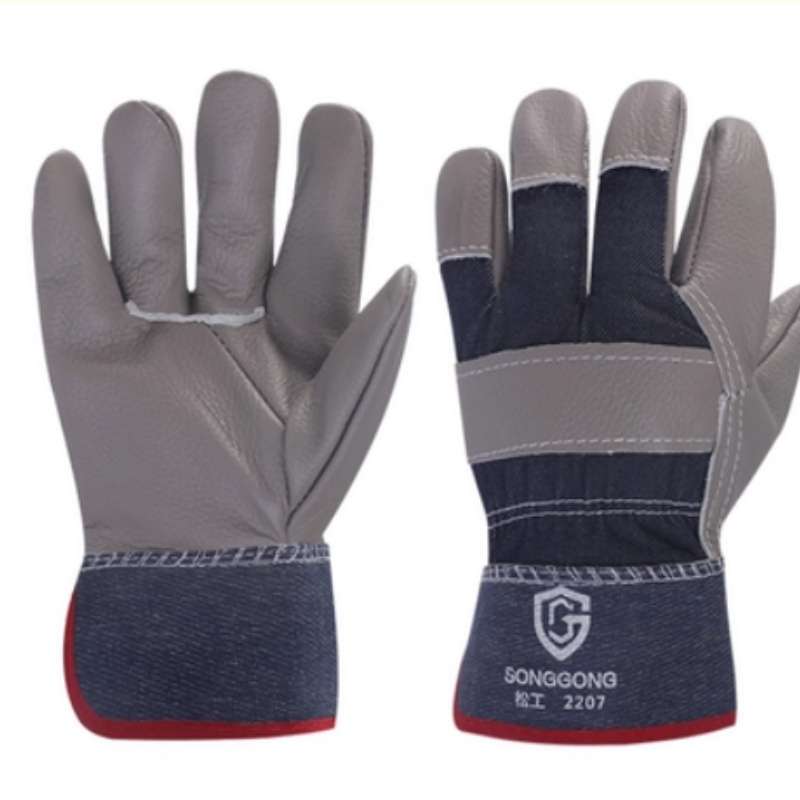
Seam placement matters more for dexterity than many people expect. A seam across the fingertip or a bulky seam at the thumb saddle will alter the way you hold a torch. Look for gloves where seams are oriented to avoid high-contact areas; when seams run along the side of a finger, they’re less intrusive. In other words, fit + seam layout = how natural your hand feels.
The Unisex Cowhide Leather Welding Gloves (10-inch) typically have reinforced seam layouts designed for protection, which can feel a touch stiff until broken in. The Leather Cloth styles often offer more contoured seams for dexterity.
Measuring Control Improvements
You can empirically test the impact of a glove change in fifteen minutes:
- Set up a simple bead test on a clean piece of metal.
- Weld three short tacks (10–15 seconds each) with your current glove; note bead consistency and time to set up.
- Switch gloves and repeat. Compare bead width, spatter, and how much you adjusted grip mid-tack.
You’ll be surprised how often the lighter glove yields better control in TIG and how the thicker glove reduces short-contact burns in stick work. Data beats hunches.
Fit, Sizing, and Buying Tips That Avoid Returns
- Try gloves with the actual tool you use. Don’t trust size charts alone.
- If between sizes, size up for longer sessions and size down for fingertip precision if it still allows circulation.
- Consider half sizes or models with elasticized wrists for a closer fit without constricting.
A good fit reduces the urge to overgrip—a major cause of tremor and uneven beads.
Final Practical Checklist
- Do the 60-second fit test before a purchase.
- Prefer lighter gloves for TIG, balanced gloves for MIG, and long-cuff cowhide for stick or hot handling.
- Use small modifications before replacing a glove, like tabs or grip tape.
- Schedule micro-breaks to prevent fatigue; switch glove styles when tasks shift.
- Inspect seams and thumb ergonomics; they influence how the tool sits in your hand.
Closing Thought
A great weld is a conversation between your eyes, hands, torch, and the metal. Gloves are part of that conversation—sometimes they whisper, sometimes they shout. Make sure they’re saying what you want: precision, not panic; support, not interference. When you pair the right welding gloves with a little ergonomic know-how, your hands last longer and your beads look better.
Improve control and comfort—shop welding gloves optimized for fit and process-specific performance.