
If your workday includes a van, a client site, or an improvised parking-lot shop, your glove choice matters more than you think. Some welding gloves are built for the bench; others are built for the road. This article is a transactional, side-by-side look at two practical options—the Unisex Cowhide Leather Welding Gloves (14-inch) and the Leather Cloth Welding Gloves—so you can decide what to pack in your toolbox tonight.
Why Mobile Welders Need a Different Mindset
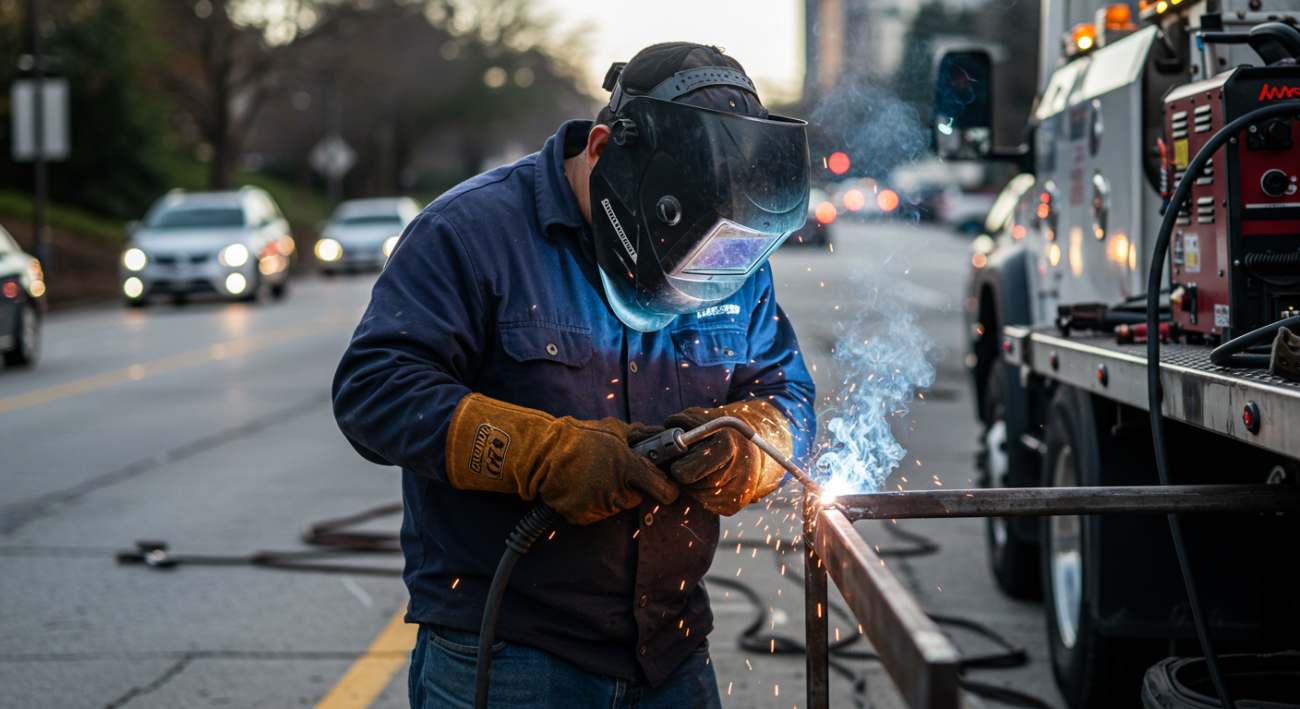
On a jobsite, you face interruptions, weather, cramped spaces, and tight schedules. You don’t have the luxury of swapping gear for hours. That means your welding gloves need to be versatile: protective when the torch spits, comfortable when you’re tightening bolts, and compact enough to stow without wrinkling or losing shape. In short: field use prizes adaptability and reliability over boutique features.
Best Welding Gloves for Real Work
I’ll compare two welding gloves.
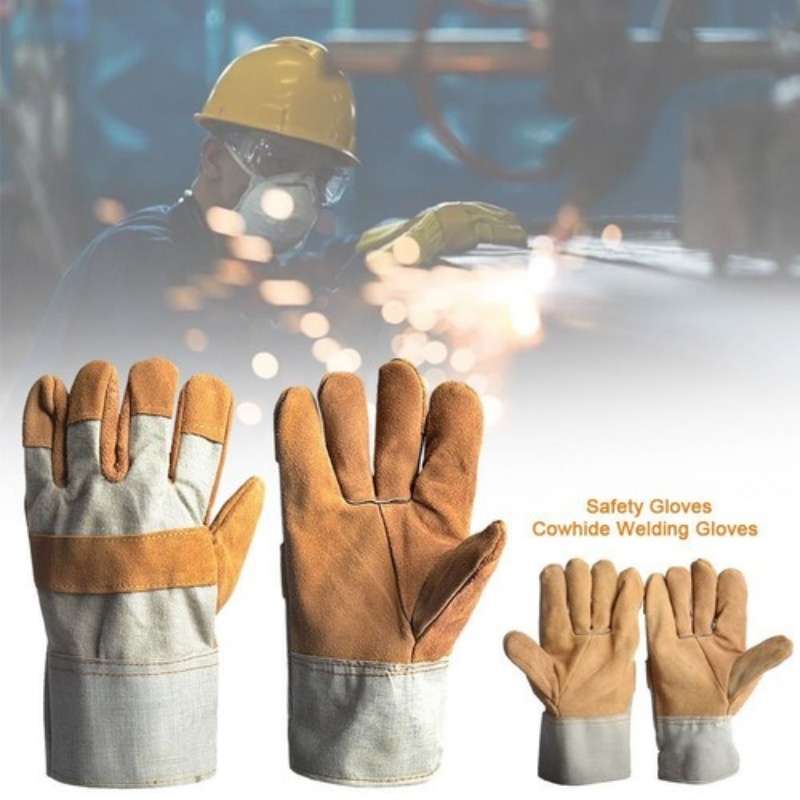
- Unisex Cowhide Leather Welding Gloves (14-inch)—the long-cuff cowhide pair that signals confidence. They’re rugged, give visible forearm protection, and hold up against sparks and brief hot contact.
- Leather Cloth Welding Gloves—a lighter, more flexible option that favors dexterity and comfort during long, repetitive tasks.
Both are competent welding gloves, but they address different jobsite pain points. Let’s unpack that.
Protection Versus Agility: Where Each Wins
When a client’s timeline is tight and a torch spits unexpectedly, protection wins. The 14-inch cowhide glove gives you a reassuring sense of safety: that long cuff reduces the kind of small, nasty burns you get from stray sparks. It’s heat resistant in the moment and deflects spatter. That confidence matters on-site when you can’t stop and rethink.
By contrast, the leather-cloth model wins when you’re doing long prep work—measuring, holding, fighting stubborn fasteners. It breathes, it flexes, and it makes your hands feel less like they’re wearing mittens. That translates into fewer dropped parts and cleaner work during extended MIG or TIG prep.
So: cowhide = episodic high-risk control; leather cloth = long-run precision and grip. Both are legitimate welding glove strategies for the field.
Packability & Durability—The Road Test
A real mobile welder will tell you: space is everything. The leather-cloth glove folds down easier, stows in a pouch, and dries faster after rain. The cowhide pair keeps its protective profile but takes more real estate in your van. Durability-wise, cowhide generally outlasts mixed-material gloves under repeated abrasion and spatter: it’s why many pros default to cowhide when they want the least number of replacements on long jobs.
If your route involves dirty, abrasive tasks day after day, the cowhide welding gloves pay off in longevity. If you bounce between light welding and assembly with long hours, the leather-cloth option keeps your hands happier.
Warmth, Sweat, and Climate Considerations
On a cold morning, the cowhide 14-inch gloves keep you warmer; their insulation becomes a comfort feature. But in hot, humid conditions, that same insulation turns against you—sweat shrinks your dexterity and shortens liner life. The leather-cloth gloves breathe better and help avoid the “wet-grip” problem that ruins a tight job.
If you work in mixed climates, carry both. Use cowhide for early-morning or short high-heat tasks, then switch for all-day installs. It’s a small routine that prevents a lot of frustration.
Real Tradeoffs for TIG, MIG, and Stick Work
Different processes push different needs.
- TIG favors precision. The leather-cloth glove more often fits the bill when you need consistent finger feedback.
- MIG: somewhere in the middle—expect spatter but also repeated handling. A leather-cloth glove with a reinforced palm sometimes hits the sweet spot.
- Stick: rough and splattery. Cowhide’s advantage here is clear; long cuff protection matters more than fingertip feel.
Don’t chase a single “best” glove. Match the process to the glove, and you’ll save time and errors.
Comfort, Fit, and the Small Human Things
Fit is non-negotiable. A glove that forces you to overgrip will make you tired and sloppy, no matter the brand. Try both gloves with the actual tools you use and perform a short “task simulation” before buying. Notice how your wrist moves with each glove. Notice if you want to squeeze harder. Those small reactions predict real productivity differences on a 10-hour day.
Also: look for easy don/doff. On the road, you need to swap fast. That’s why the leather-cloth gloves often get picked first during long site runs.
Care & Maintenance When Your Shop Is a Van
Field life means grime. A couple of practical habits extend both gloves’ lives:
- Wipe metal dust and oils off immediately—abrasives shorten leather life.
- Air the gloves overnight; even a small drying pouch prevents liner collapse.
- Rotate pairs. Using each pair for its strength lets liners dry and extends useful hours for both.
These are small actions with big ROI. They turn welding gloves from disposable gear into dependable kit.
Want to make your gloves more durable and comfortable? [Check out our complete guide to welding glove care.]
Buying Advice—What to Add to Cart Tonight
If you get to choose only one pair for occasional fieldwork and occasional shop work, lean toward the Unisex Cowhide Leather Welding Gloves (14-inch)—they’re protective, long-lived, and they handle the surprise hazard better. If your day involves long, precise TIG runs or extended mechanical work, add a leather cloth pair for comfort.
The ideal buying combo for mobile welders: one long-cuff cowhide pair and one leather-cloth pair. The cost of a spare pair is small compared to downtime, fumbled parts, or a burn.
Quick Checklist Before Purchase
- Try it with your dominant tools—don’t trust size charts alone.
- Inspect thumb and palm reinforcement. These are failure points on-site.
- Prefer gloves that dry quickly in air if your route runs through rain.
- Think: will this glove cut replacement frequency or improve day-long comfort? Choose the one that returns value in your use case.
Final Word: Workflow Beats Novelty
A clever feature won’t save a bad workflow. Welding gloves matter, but how you use them matters more. For field welders, that means practical choices: cowhide for heat and abrasion, leather cloth for long-run dexterity, and small routines that keep both performing. Pick the right pair for the task, and you’ll work faster, safer, and with less annoyance. That’s real productivity.
Stock your toolbox—add cowhide and leather-cloth welding gloves for every jobsite need.